NOVEMBER 2025
DIVISION UPDATES
Anatomic Pathology
2024-2025 Clinical Testing Volume – A Strong Year for AP Division
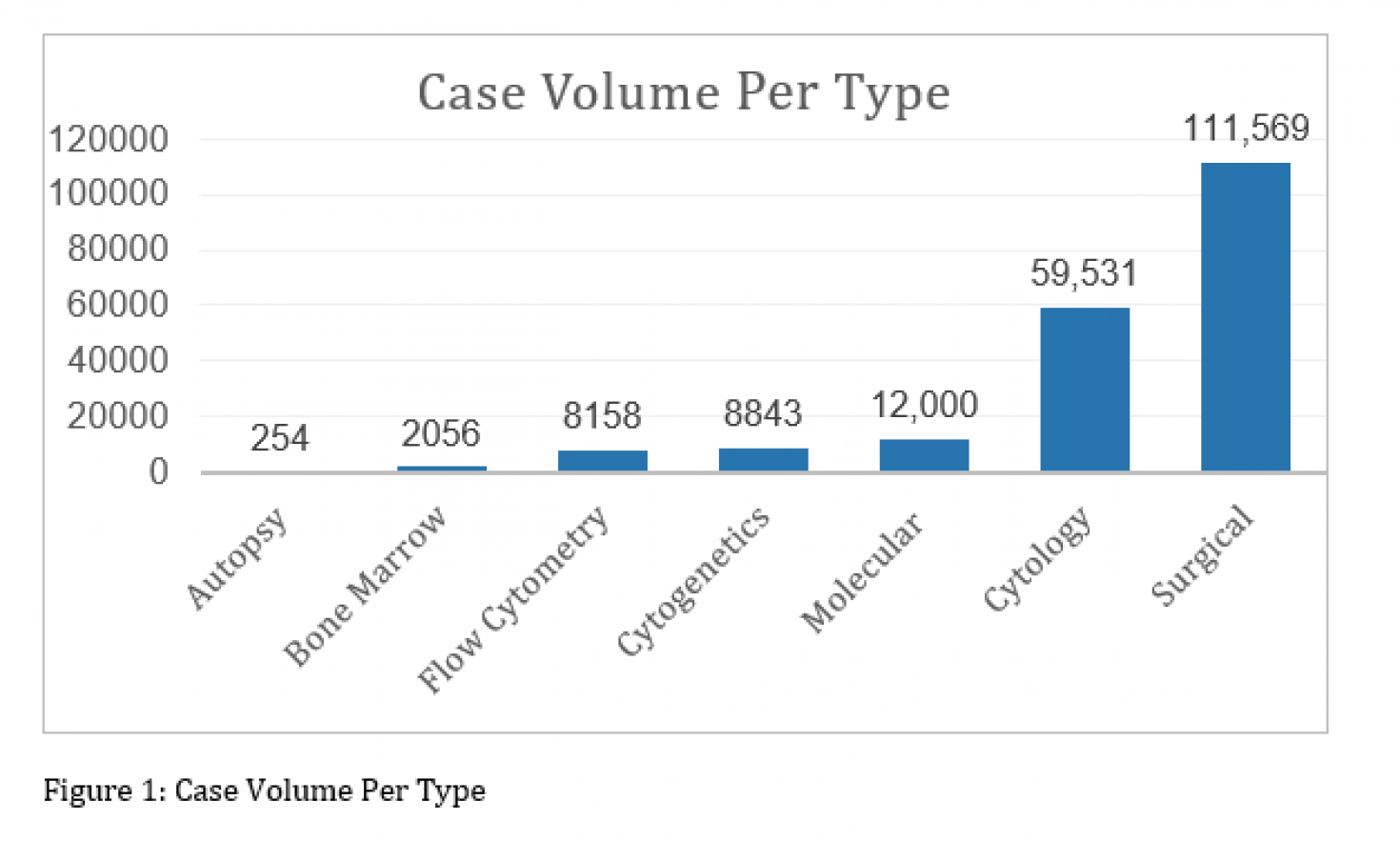
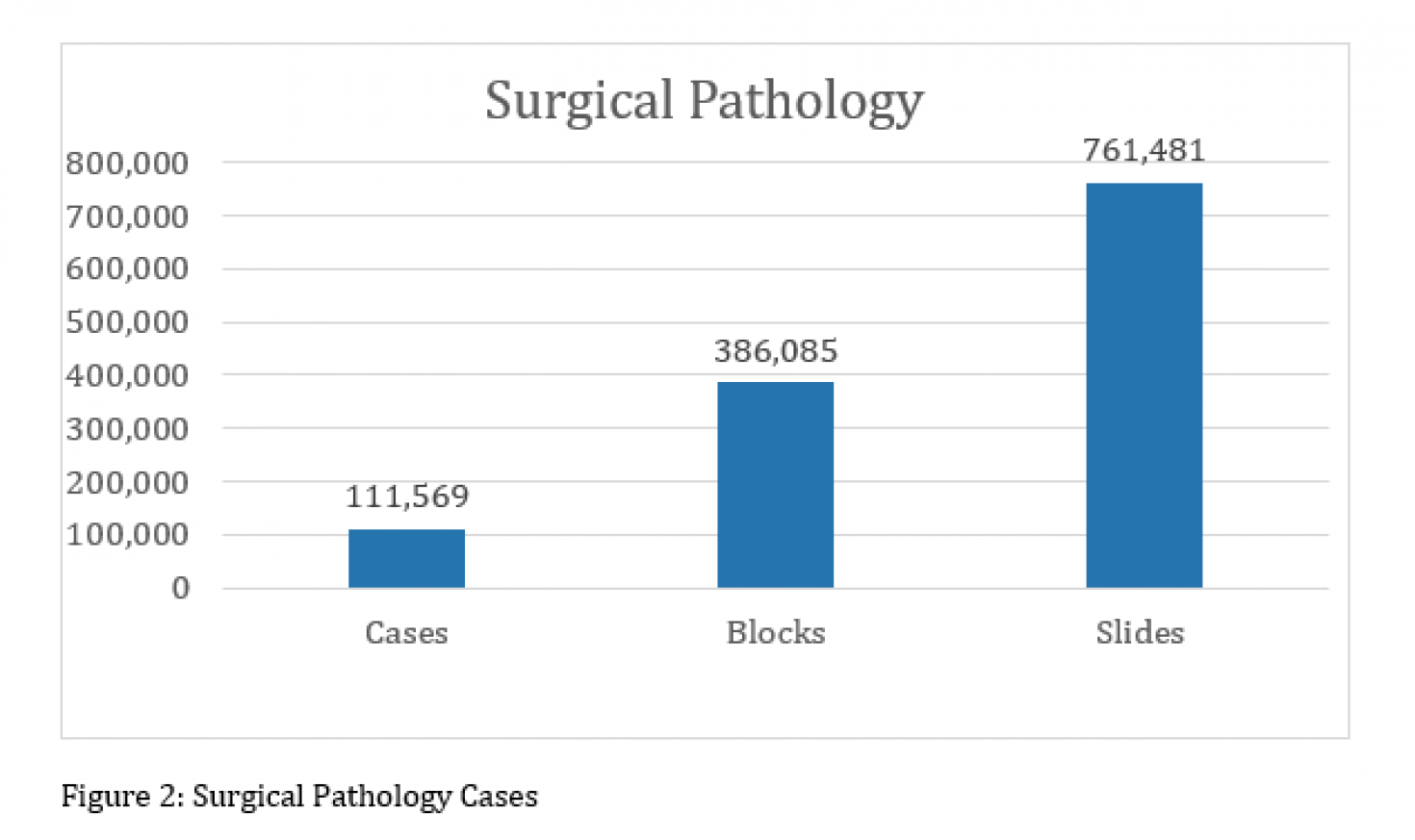
During the 2024-25 fiscal year, our Anatomic Pathology (AP) services saw remarkable activity, reflecting both the dedication of our team and the growing demand for diagnostic excellence. We processed over 202,000 clinical cases, resulting in nearly half a million blocks and close to a million slides.
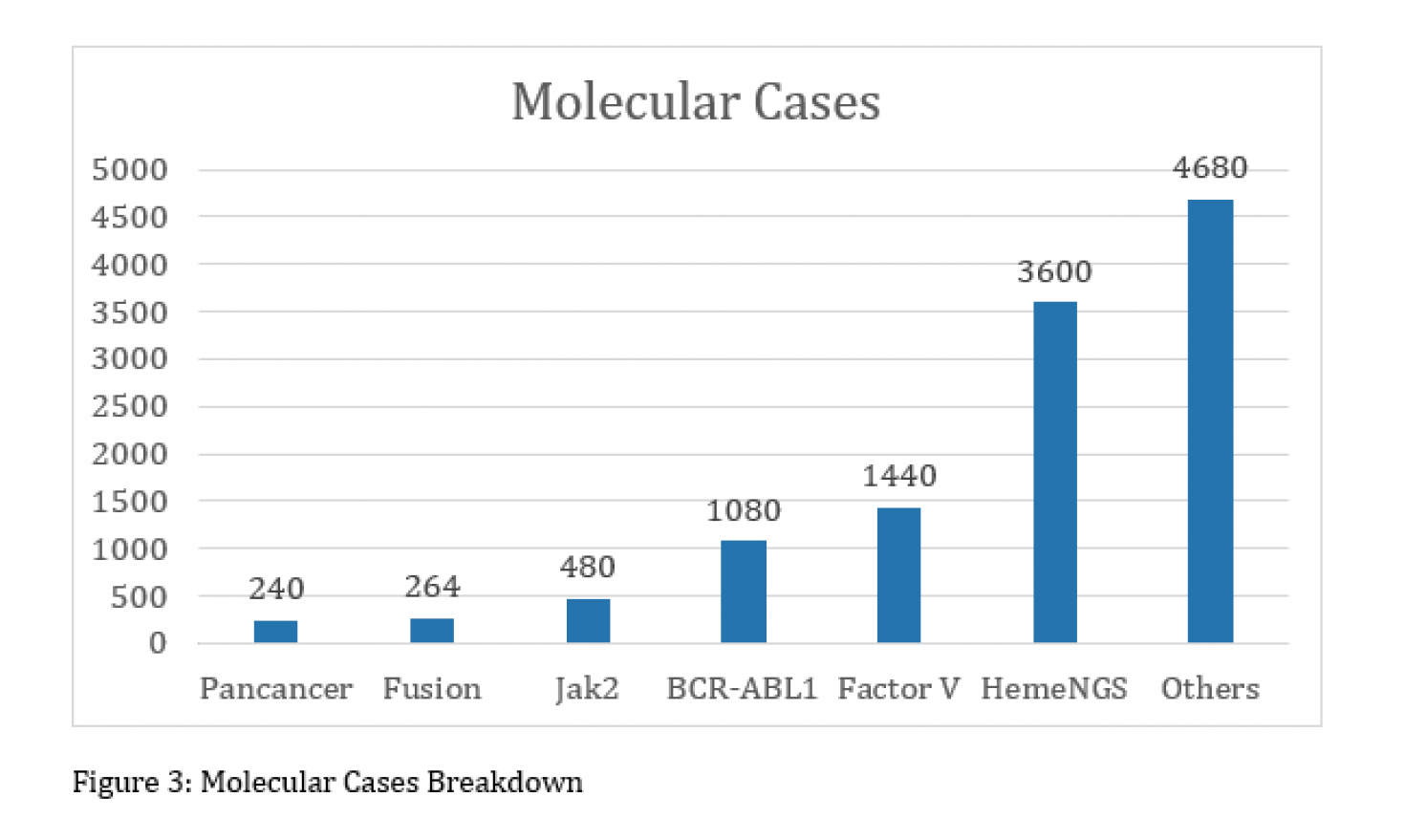
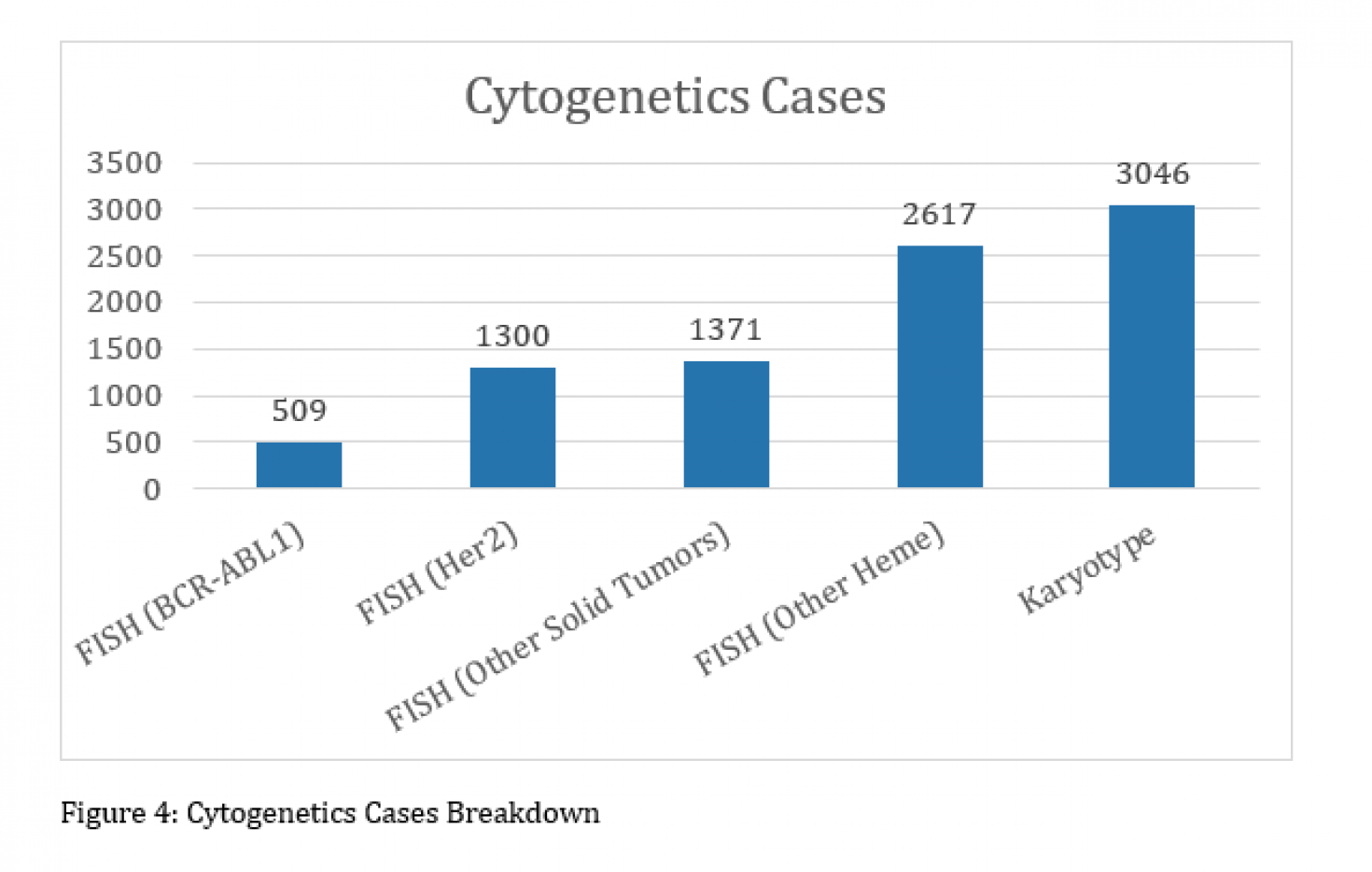
Surgical Pathology led the way with 111,569 cases, followed by high volumes in Cytology (59,531) and Molecular Diagnostics/Cytogenetics (20,843).
These numbers reflect the continued dedication of our team and the growing demand for precision diagnostics. In addition to rising case numbers, we are also seeing greater complexity in the cases we handle, highlighting both the evolving nature of diagnostic challenges and the advanced expertise of our team.
Thanks to everyone on the team for their contributions to this success!
- As part of an IRB-approved research study, Laboratory Medicine (LM) informatics supported UCLA Health’s first use of a novel EHR-integrated randomization engine. We tested the effectiveness of a clinical decision support tool for reducing unnecessary inpatient lab testing. Real-time randomization like this will allow UCLA Health to run similar pragmatic Randomized Controlled Trials (RCTs) and Version A/Version B (A/B) tests within routine clinical workflows. Abstract presented at the Department of Medicine’s Annual Research Day on 10/9/25 (“Successful integration of a cloud-based randomization engine into CareConnect: first use-case decreases low-value repeat HbA1c testing”).
- LM informatics is also helping to develop a UCLA Health style guide for alerts within Epic to reduce cognitive burden and promote safe, effective patient care. This work was at the PLUGS Epic Users Group meeting on 10/9/25.
- As part of API’s Technology Standards and Innovation Committee, LM informatics is collaborating with partners at Cedars-Sinai, Kaiser Permanente Southern California, and Washington University to develop a national clinical decision support consortium. This consortium will promote best practices for lab stewardship informatics.
- LSTF/LM informatics is working with the UCLA Health AI Council to develop a framework for evaluating proposed AI/ML-based lab tests and diagnostic support tools.
Clinical Chemistry
- Chemistry specialists at Ronald Reagan Hospital (RRH), Santa Monica Hospital (SMH), and the Bruin University Reference Lab (BURL) laboratories are working on the verification of the rules for auto verification in Infinity, the Roche system middleware that assists with the two-way communicate between the automation line and CareConnect with an expected go-live date of October 29, 2025.
- Presented five posters at the 2026 Annual Meeting of the Association for Diagnostics & Laboratory Medicine in July 2025.
- Recruited a postdoctoral fellow for clinical chemistry training program for the 2026-2028 academic year.
- Internalized two send-out tests: Sex Hormone Binding Globulins (SHBG), and Testosterone Profile (Free + Total + Bioavailable + SHBG).
- Implemented a methotrexate assay that has the feature of auto-dilution at both RRH and SMH.
Microbiology
- Converted all the high-volume viral load PCR assays (HIV, HBV, HCV, CMV, EBK, BKV) to fully automated Roche Cobas x800 platform to maximize testing capacity and lab efficiency.
- Validated and launched HSV/VZV and adenovirus quantitative and qualitative PCR assays on Roche Cobas 5800 to improve test performance and turn-around time.
- Developed, validated and implemented 4 in-house PCR tests including Legionella, Nocardia, Malaria, and Mycobacterium tuberculosis and Mycobacterium avium complex, which can dramatically improve efficiency and alleviate stress due to labor shortage.
- Used next-generation sequencing (NGS) for the investigation of a significant hospital outbreak of NDM-producing extensively drug-resistant Pseudomonas aeruginosa, which led to the discovery of a hospital sink as the environmental reservoir and containment of the outbreak.
- Closed the operational gap by adding the 3rd shift and are now fully staff 24/7 to provide maximum testing capacity for patient care.
Transfusion Medicine
- Expanded Outreach and Engagement: Participating in Year 2 of the Big Ten “We Give Blood” campaign, encouraging donations at UCLA and nationally to support student and community health, with a $1 million incentive from Abbott; Drs. Ward and Ziman developed and are teaching a UCLA undergraduate course, Blood Donations and Community Engagement.
- Enhanced Donor and Transfusion Processes: Streamlined the blood donor experience by implementing OrSense for painless hemoglobin screening and UCLA Donor eScreen for online history submission; improved transfusion administration safety through expanded barcode scanning for transfusion administration in the OR and improved electronic reporting of transfusion reactions.
- Clinical and Operational Improvements: Reintroduced in-house platelet crossmatch testing for better management of immune-mediated platelet refractoriness; integrated West Valley Medical Center’s Blood Bank into UCLA systems with continued oversight and support for growing transfusion needs.
- Innovative Research Contributions: Completed and supported research on cold-stored platelets for cardiac surgery, and Duffy antigen impact on neutrophil counts—Dr. Heather Ross published a Letter to the Editor in the journal Transfusion Duffy-Null Associated Count: Perspectives from the Blood Bank; supporting colleagues on innovative work in ex-vivo organ perfusion prior to transplantation.
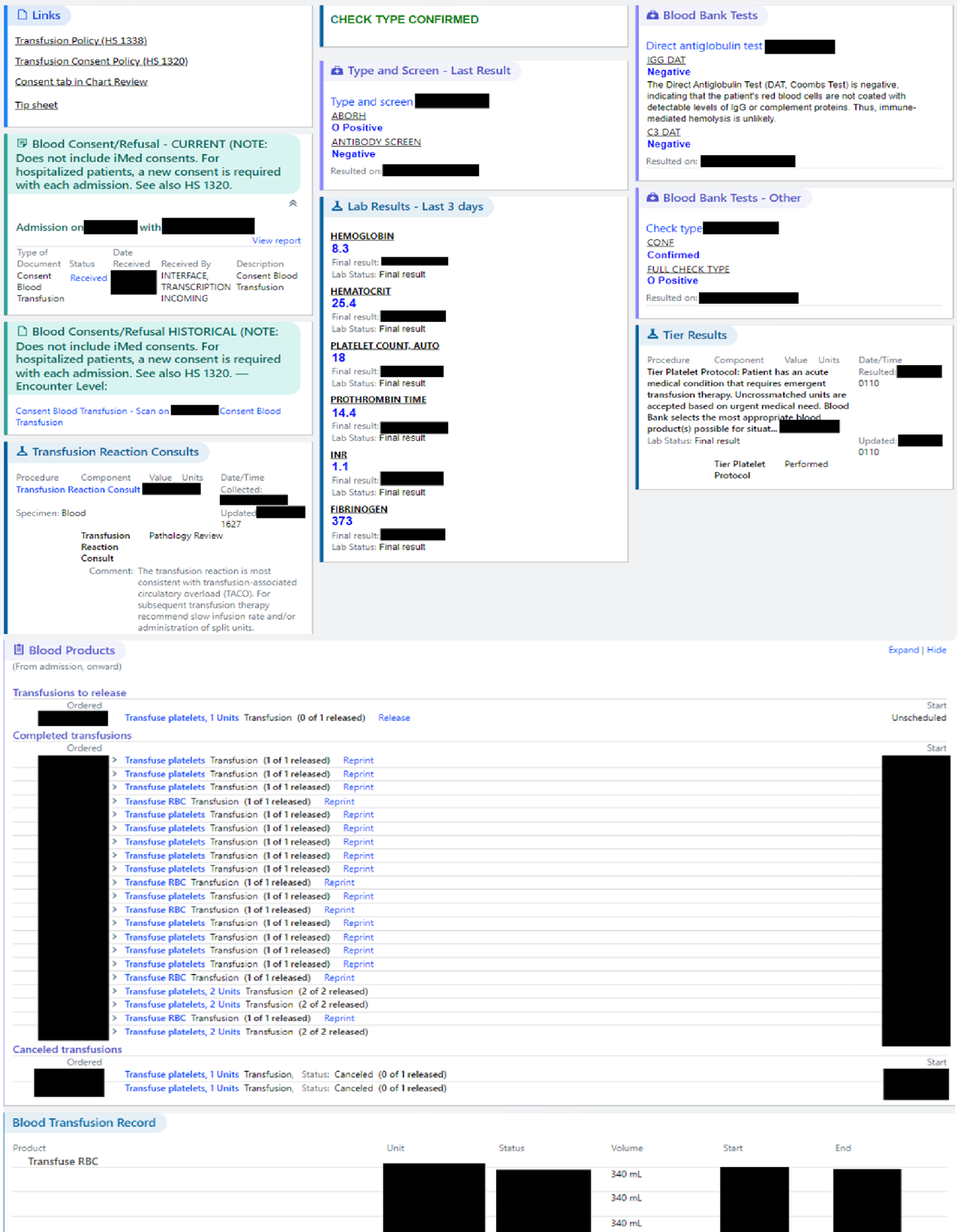
- System and Protocol Advancements: Implemented Obstetric Massive Transfusion Protocol enhancements (e.g., pre-thawed pathogen-reduced cryoprecipitate availability) and planned future enhancements including a dedicated OB hemorrhage event code, rapid CBC and coagulation testing (CBC, PT/INR, fibrinogen), and simulation-based training; launched a Transfusion Medicine Dashboard in CareConnect to display summary of Blood Bank information to patient care providers—set to be presented at the 2025 AABB Annual Meeting by resident alum Dr. Sophia Hwang. Click the below image to expand.
Over the past year, the UCLA Immunogenetics Center (UIC) has continued to advance its mission through strategic growth, academic excellence, and dedication to innovation in histocompatibility and immunogenetics. From welcoming new team members and upgrading our facilities to achieving regulatory milestones and celebrating academic accomplishments, 2025 has been a year of meaningful progress.
Welcoming New Talent
UIC was thrilled to welcome Dr. Nwe Nwe Soe to their faculty in July and to celebrate Michelle Nguyen’s promotion to Clinical Laboratory Supervisor. Their expertise and leadership strengthen the team and support continued excellence in clinical service and education.
Facilities Enhancements
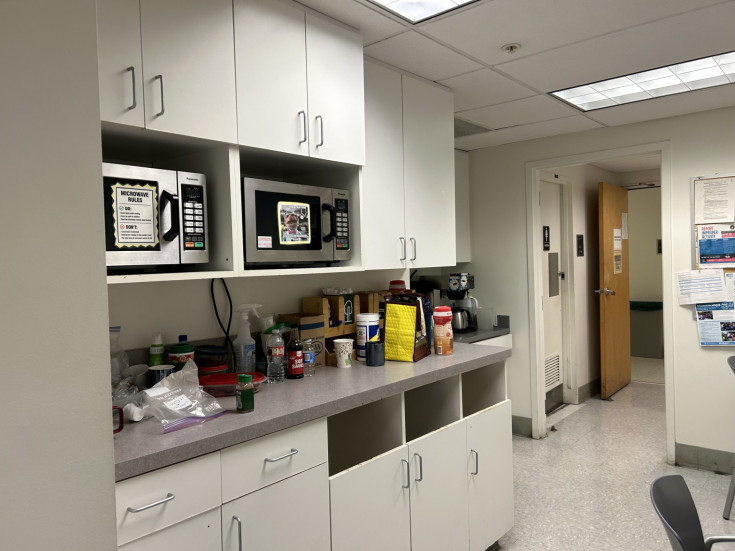
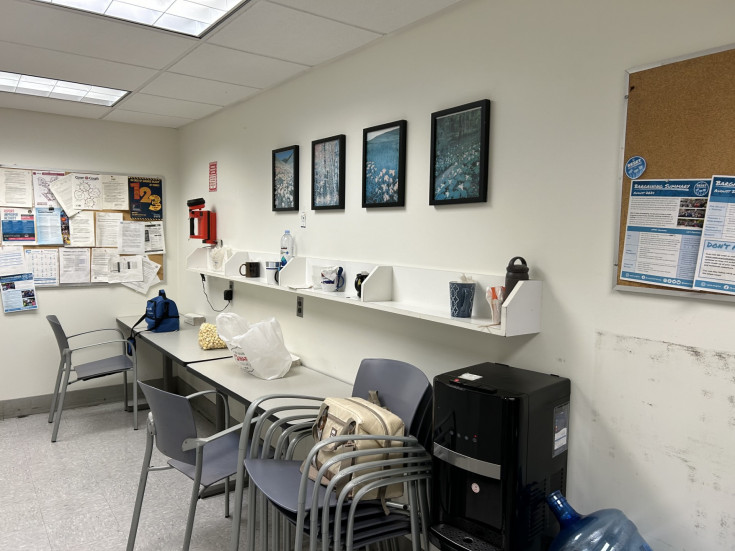
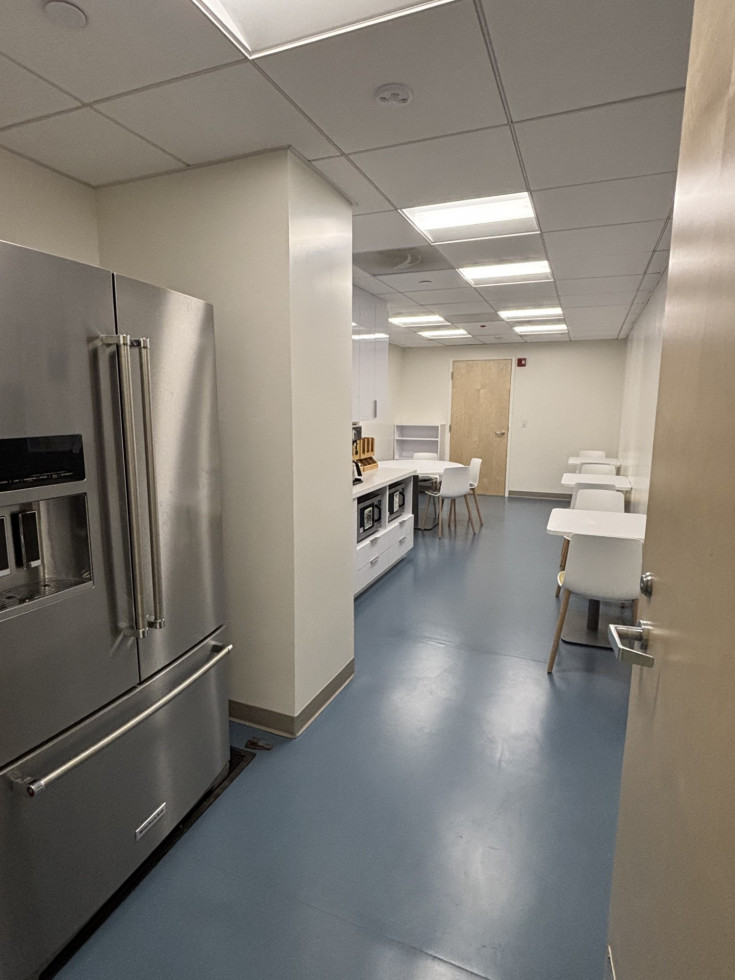
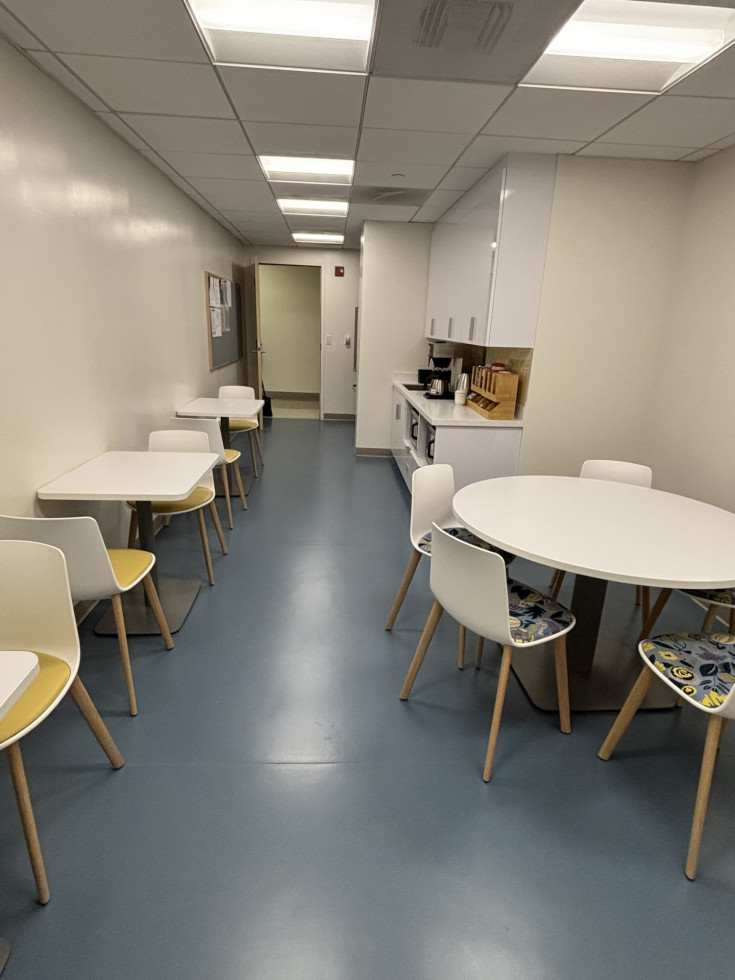
In May, construction was completed in their breakroom and restrooms, which enhanced the daily experience for our staff and reflected their commitment to a comfortable work environment.
Passed NY Laboratory Inspection
Also in May, they passed a laboratory inspection conducted by the New York State Department of Health. They finished with 0 deficiencies! The auditors were highly impressed by the meticulous detail and organization of UIC’s documentation, as well as the preparedness of the staff.
Fellows Graduation
In the early summer they celebrated the graduation of Dr. Mario Pulido and Dr. Yuxin Yin from our UCLA Immunogenetics Center Laboratory Director Training Program. Over two years, they received comprehensive, hands-on training in all aspects of histocompatibility and immunogenetics. The training included testing procedures, proficiency testing, clinical training in solid organ and stem cell transplantation, regulatory standards, and laboratory management. Dr. Pulido and Dr. Yin have continued in their post fellowship training as Clinical Instructors.
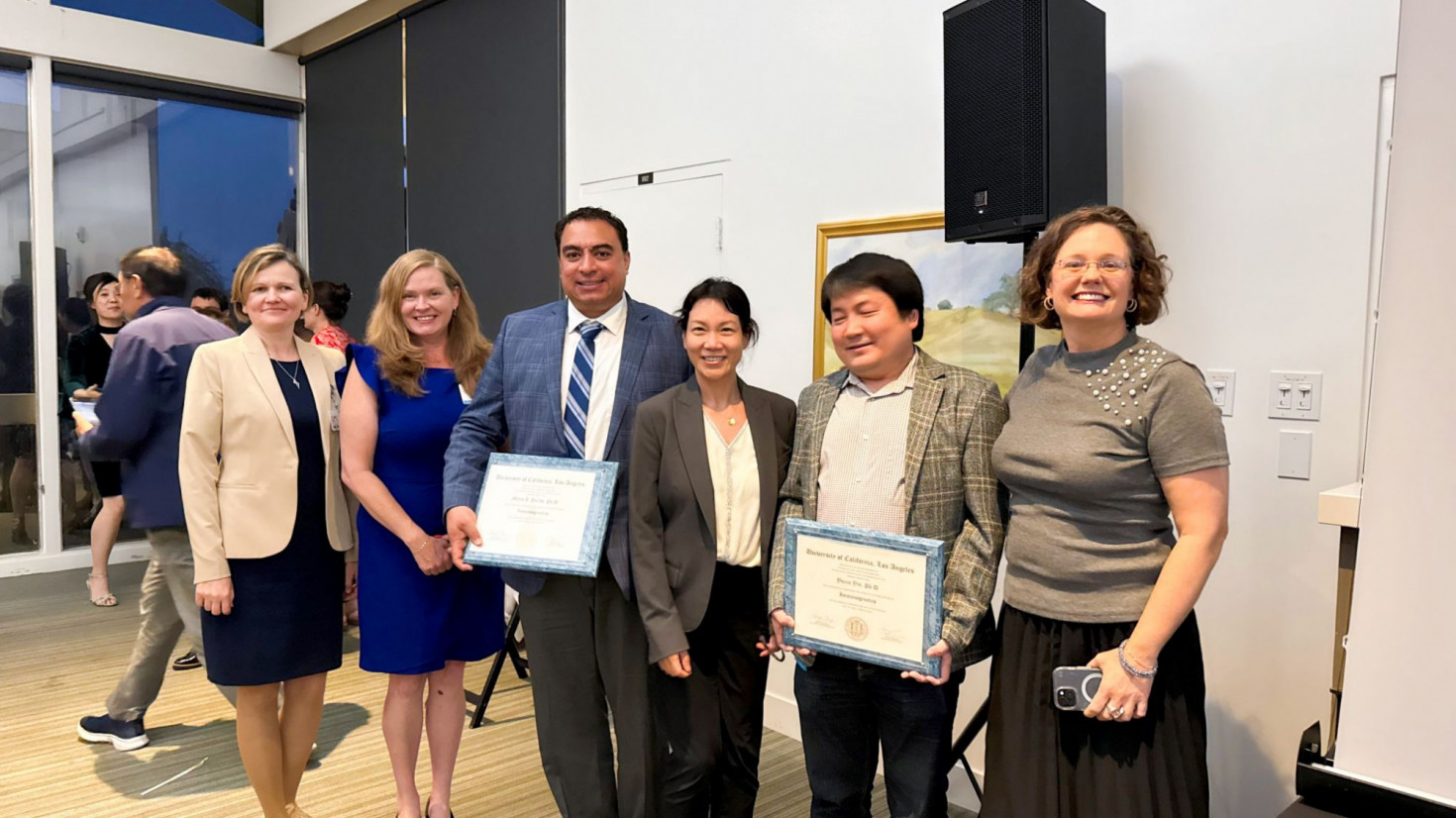
(L to R) Dr. Olga Timofeeva, Dr. Rebecca Sosa, Dr. Mario Pulido, Dr. Jennifer Zhang, Dr. Yuxin Yin, Dr. Michelle Hickey
One of UIC's core missions is to provide education and training in immunogenetics and histocompatibility in transplantation to residents, transplant fellows, and both graduate and undergraduate students. This education includes two parts, the one-week training session and the Fellowship Director-in-Training (DIT) Program.
As part of the Department of Pathology, UIC provides one-week training sessions for pathology residents. They also provide training to cardiology fellows, nephrology fellows, and transfusion medicine fellows, transplant coordinators, etc. In addition, they offer a one-week elective in immunogenetics for fourth-year medical students.
The UCLA Immunogenetics Center also offers the Immunogenetics Fellowship Director-in-Training (DIT) Program, a two-year fellowship that provides comprehensive training in the following areas:
- Advanced Training: Histocompatibility and immunogenetics in both solid organ transplantation (kidney, heart, lung, liver, and intestine) and hematopoietic stem cell transplantation.
- Board Certification Preparation: A structured curriculum designed to prepare fellows for certification by the American College of Histocompatibility and Immunogenetics (ACHI) and for eligibility as HLA Laboratory Directors through the American Society for Histocompatibility and Immunogenetics (ASHI).
Since its establishment more than a decade ago, the program has successfully trained 11 fellows, all of whom are now serving as directors and faculty members at leading institutions. UIC had two fellows that took their board exams in September, as well!
Research and Recognition Milestones
UIC's faculty and staff made significant contributions to the field through presentations and collaborations at the World Transplant Congress 2025 and American Society for Histocompatibility & Immunogenetics (ASHI) 51st Annual Meeting (see below for photos and updates from ASHI).
This past year displays UIC’s continuous commitment to pioneering the latest approaches in Immunogenetics, Histocompatibility, and Transplantation through cutting-edge research and collaboration.
Looking Ahead
As we look to the future, UIC remains committed to excellence in patient care, education, and research. Recruitment is currently underway for the 2026 Fellowship Program.
Before moving on, we invite you to explore recent publications by our faculty!
Awards & Significant Publications
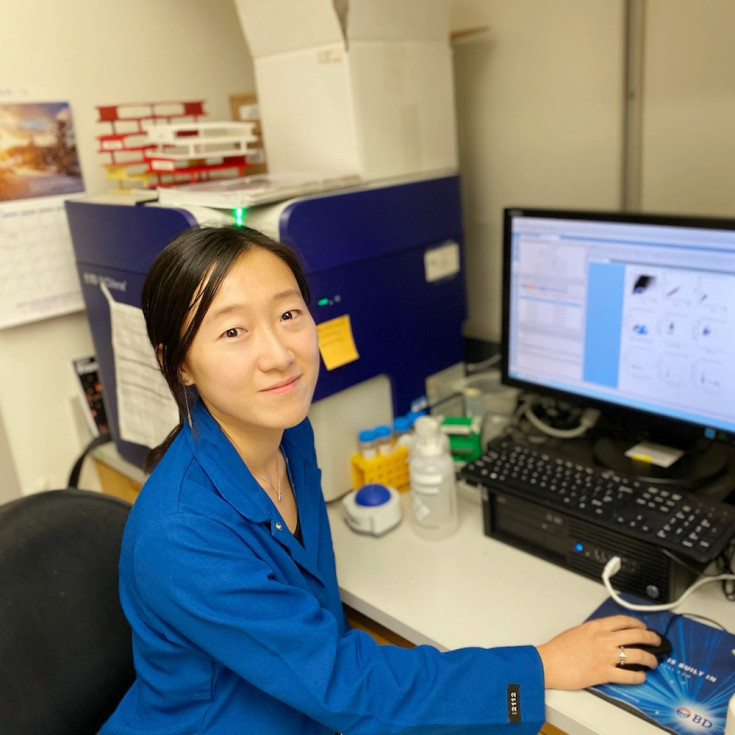
Dr. Gao will be honored by Dr. Roger Wakimoto, Vice Chancellor for Research, at the 2025 Postdoctoral Scholars & Mentors Awards Ceremony on Wednesday, November 12, 2025.
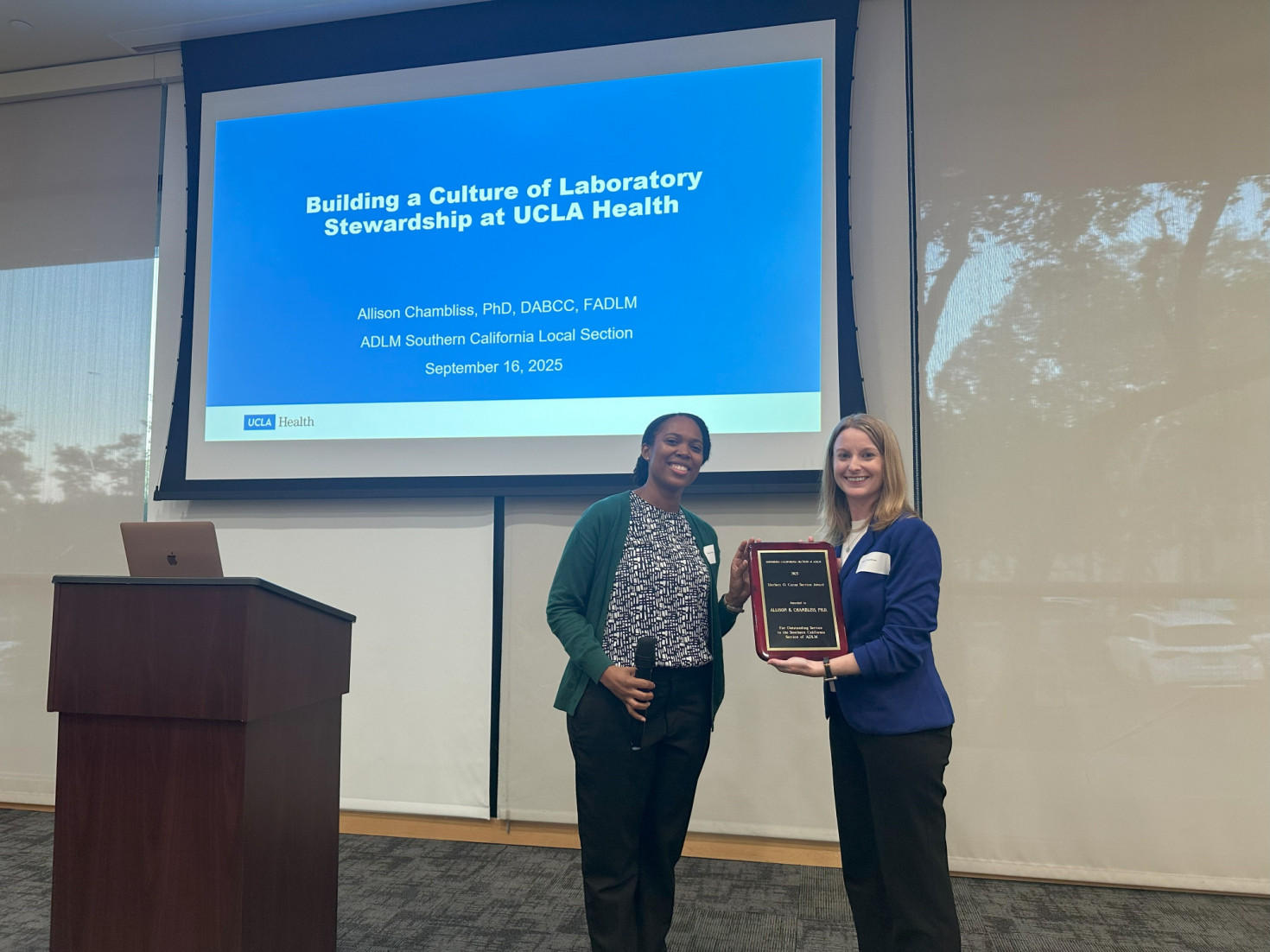
This award was established in the mid-1980s and Herbert O. Carne was the only individual who received it. After his passing in 1990, it was renamed in his memory. The Herbert O. Carne Service Award is given to a member of the Association for Diagnostics & Laboratory Medicine (formerly AACC) Southern California Local Section for services performed in behalf of our local section for a long and extended period of time to advance the profession in the educational, training, organizational and/or legislative areas.
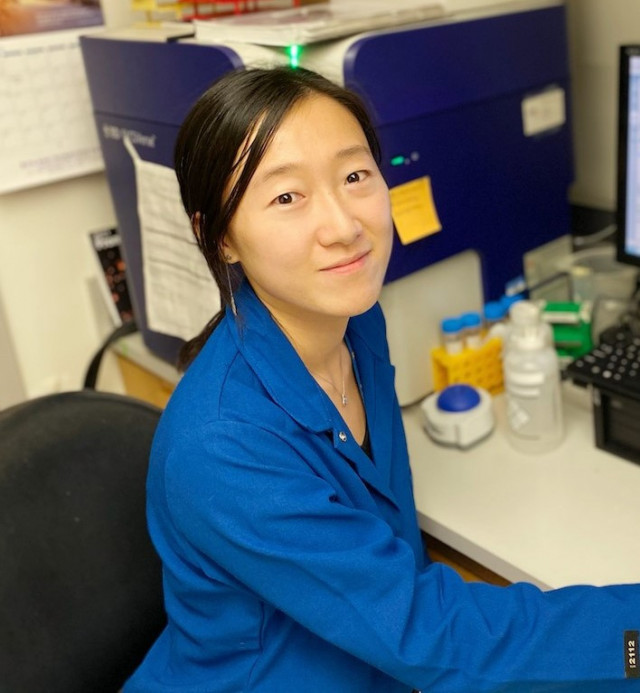
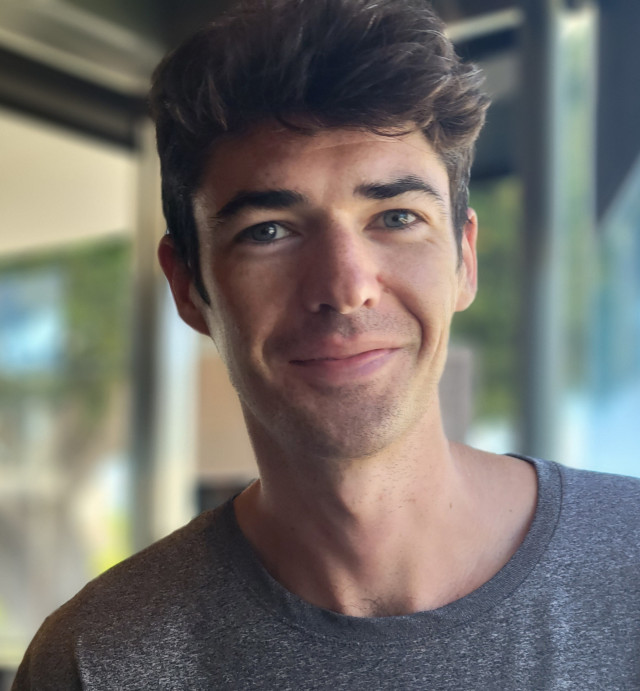
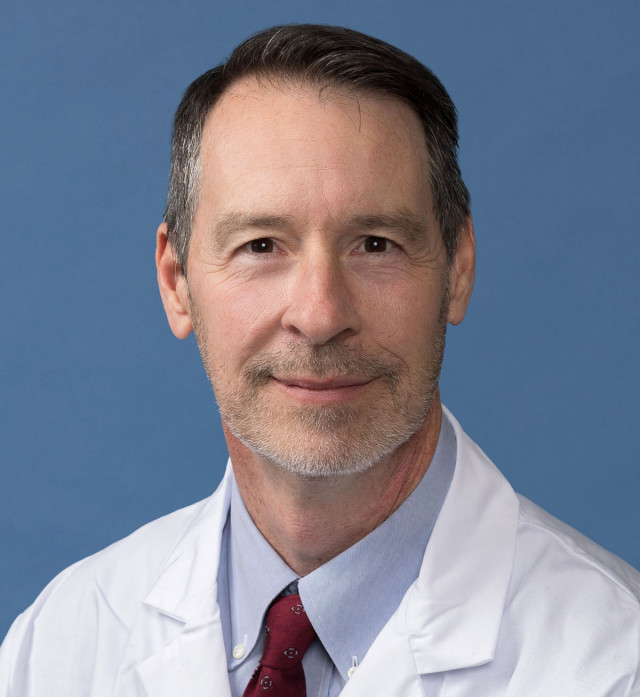
In honor of Veterans Day, we would like to thank our Department veterans and active duty military/reserve members! We appreciate your service to our country and to our patients by providing leading-edge patient care, research, and education. It is an honor to feature our Department veterans.
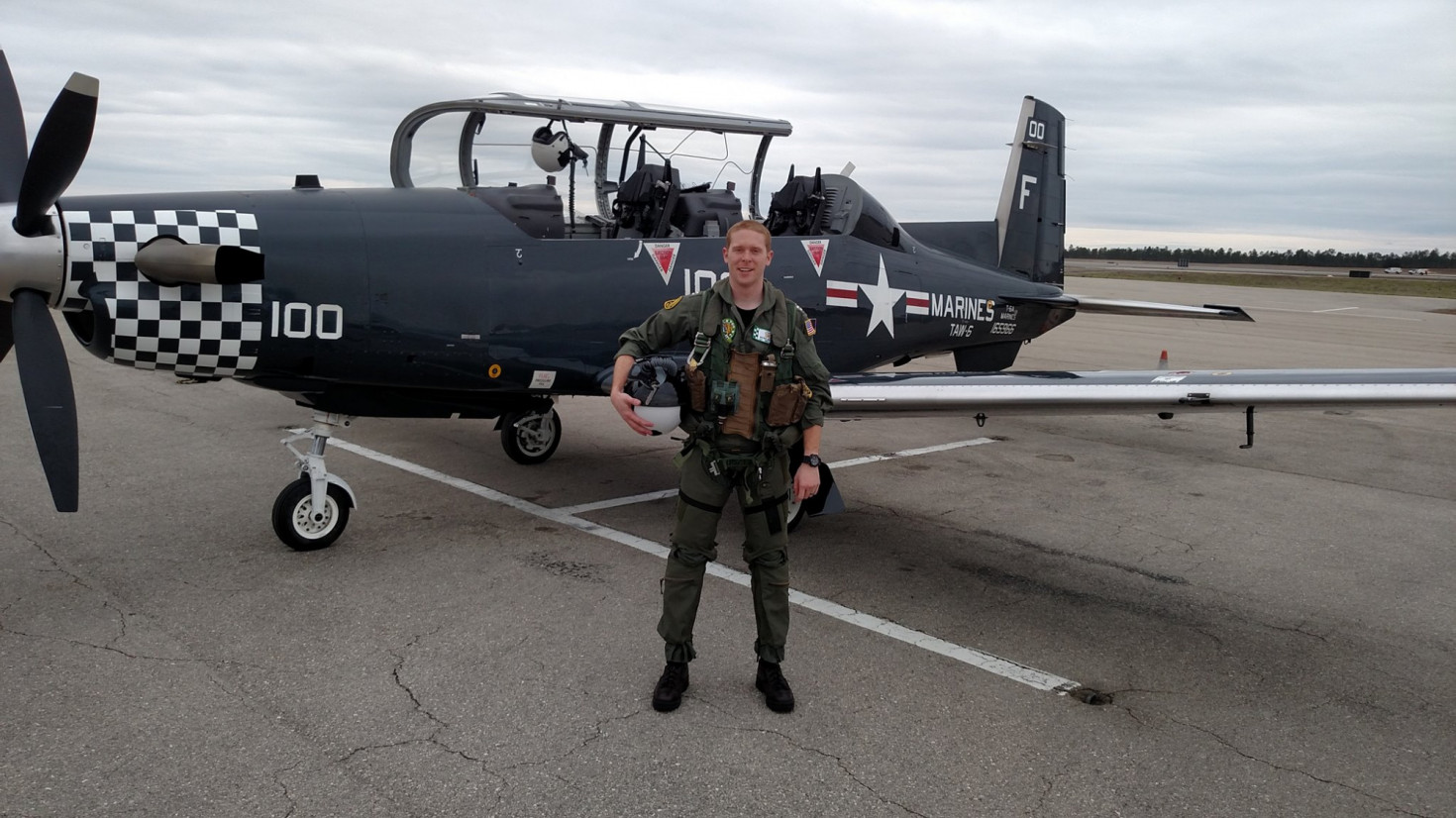
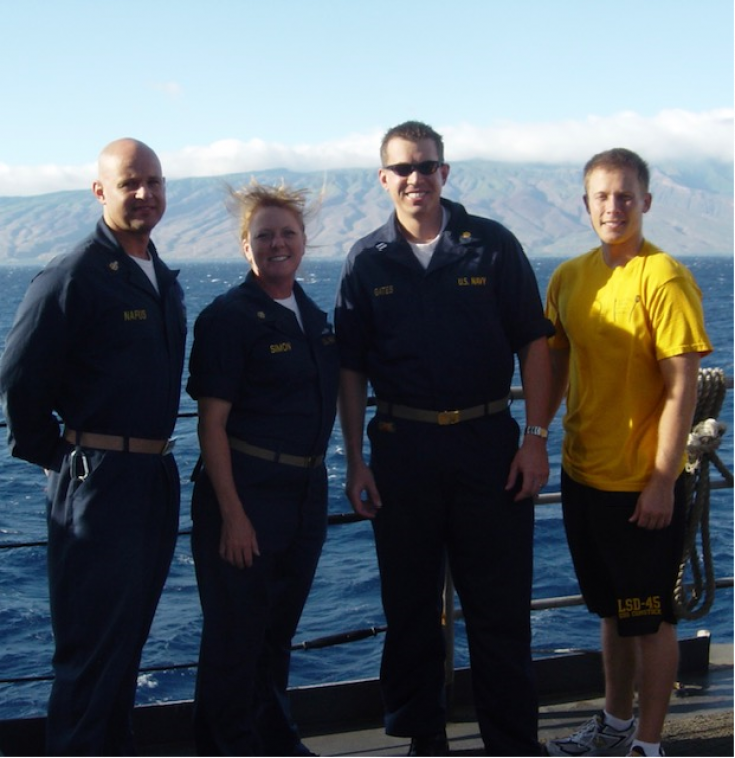
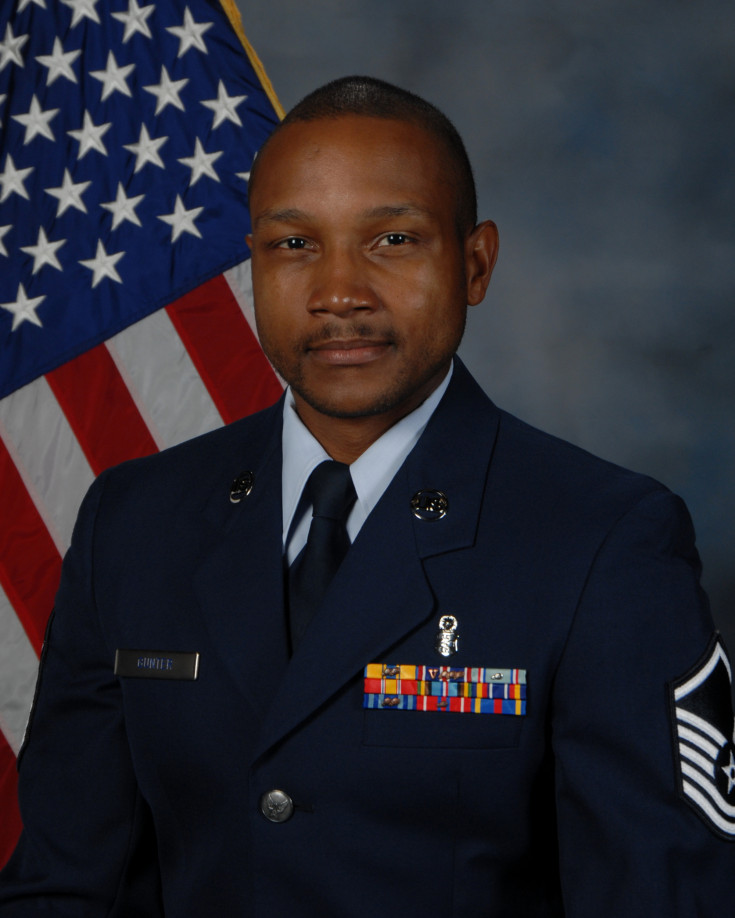
Eric D. Gunter, MLS (ASCP)CM, CLS (CDPH), Clinical Laboratory Supervisor II, Phlebotomy
Eric Gunter served in the US Air Force for 20 years and 9 months. He served as a Senior Laboratory Supervisor, Clinical Laboratory Services for 12 years and retired in the position of Superintendent, Medical Support Division.
Celebrating the Legacy of Dr. Richard A. Gatti, MD
We are saddened to report the passing of Dr. Richard “Dick” A. Gatti, MD, a Professor Emeritus of Pathology and Laboratory Medicine and Human Genetics. Dick was a true renaissance man and incredible academic physician who was a pioneer of A-T research, early transplant medicine, and clinical genomics, as well as a beloved teacher and a Juilliard-trained pianist. Dick leaves behind a legacy that transformed rare-disease medicine and touched countless lives. Dr. Gatti was internationally recognized for groundbreaking contributions to ataxia-telangiectasia (A-T), clinical immunology, and translational genomics.
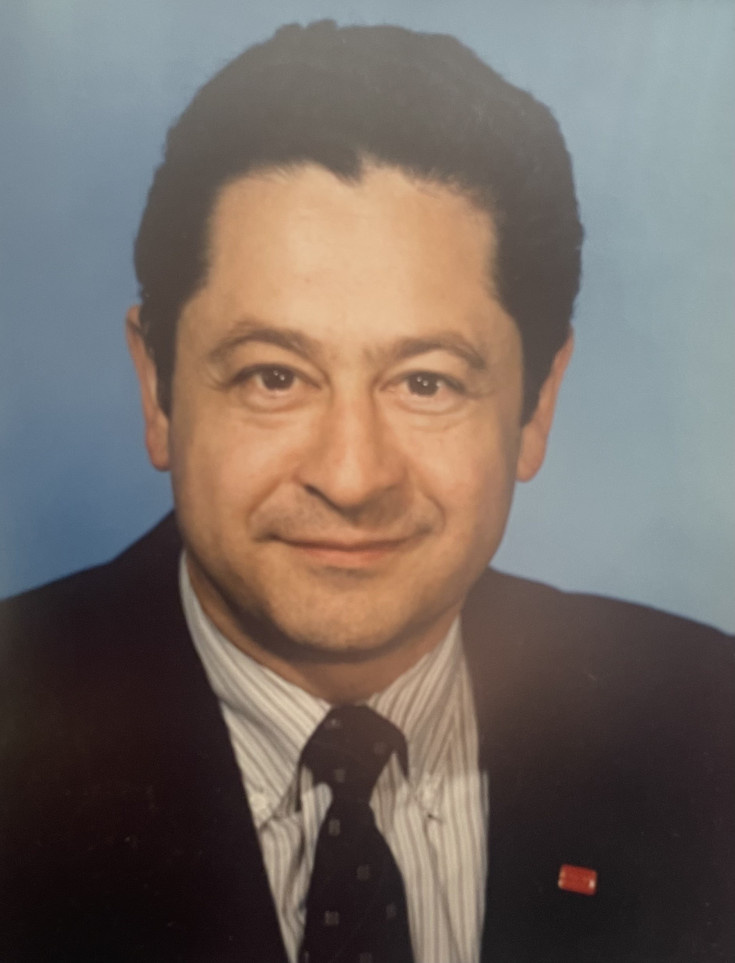
A Life in Discovery
In the late 1980s, Dr. Gatti led a pivotal genetic-linkage study that identified the A-T gene locus on chromosome 11q22-23—an achievement that paved the way for the cloning of the ATM gene and revolutionized molecular diagnostics for A-T globally. At UCLA, he spent decades decoding how ATM deficiency drives neurodegeneration, immune dysfunction, and cancer risk, while relentlessly pursuing therapies that could help patients in his own clinic. He championed “read-through” pharmacology—developing small molecules to bypass nonsense mutations and restore ATM protein function. His collaborative spirit spanned chemistry, stem-cell biology, and drug screening, helping move experimental treatments toward clinical reality. Dr. Gatti’s translational vision also helped seed UCLA’s Clinical Genomics Center, where his tenacity and foresight shaped early genome-wide diagnostics and therapeutic genomics.
Early Transplant Medicine
Before UCLA, Dr. Gatti trained under the legendary Dr. Robert A. Good at the University of Minnesota’s Variety Club Heart Hospital. There, he co-authored seminal research on the first successful human bone marrow transplant for severe immune deficiency (1968–69)—a cornerstone in cellular therapy and immune reconstitution.
A Teacher, Collaborator, and Global Voice
With over 600 publications and lectures delivered across six continents, Dr. Gatti was a vivid communicator who bridged bench science with the urgent realities faced by families living with A-T. His work was enriched by a remarkable circle of collaborators, including Drs. Robert A. Good, Kenneth Lange, Yossi Shiloh, Susan Perlman, Michael Jung, and many others who helped shape the field of medical genetics. Dick was known at UCLA for being a wonderful colleague, friend and mentor and was beloved by his students.
Music in His Bones
Long before his scientific acclaim, Richard studied piano at The Juilliard School and the High School of Music & Art in New York. He remained a lifelong concert-caliber pianist with a passion for music. Colleagues fondly recall his ability to transition from a lecture on DNA repair to a Rachmaninoff prelude—without missing a beat.
Family and Legacy
Dr. Gatti’s life was defined not only by scientific brilliance but by deep love for his family. He is survived by his devoted wife, six children, and twelve grandchildren, who continue to carry his spirit forward. His legacy lives on in the families he helped, the students he mentored, and the science he shaped.
From Minnesota’s first-in-human immune reconstitution to UCLA’s gene-mapping and therapeutic breakthroughs, Dr. Gatti’s guiding principle was simple and stubborn: push rare-disease science until it matters at the bedside. And it did.
We were so fortunate to have Dick as a friend and colleague. He will be sorely missed by his family, his colleagues, and by patients with rare diseases.
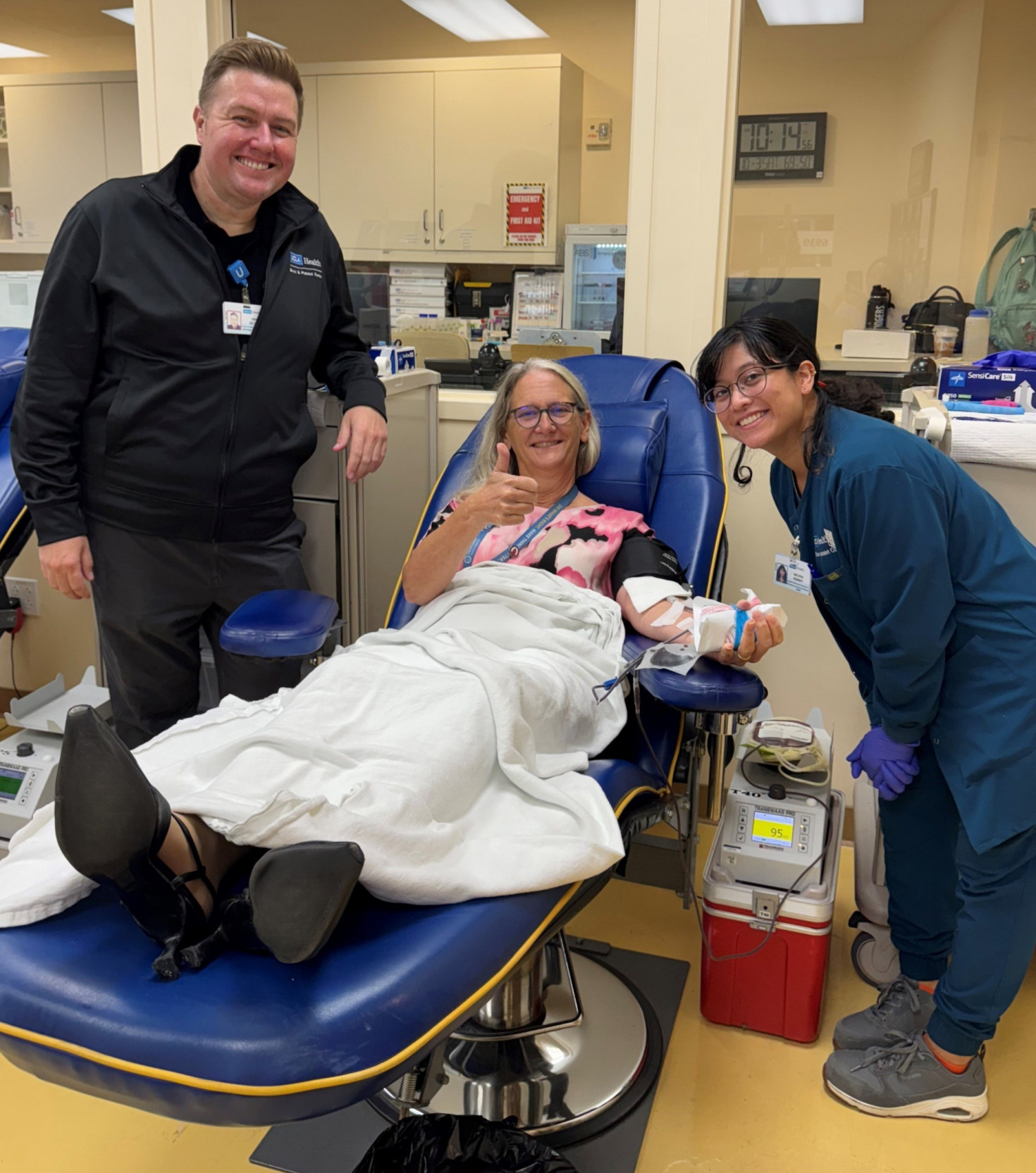
We Give Blood Drive
To help address the greatest need for blood in a generation, Abbott, a global leader in blood testing, and the Big Ten Conference will team up to host the 2nd annual college conference-wide blood donation competition.“The We Give Blood Drive” initiative is designed to motivate Big Ten students, alumni and fans to donate blood by tapping into school pride and devotion to their teams. Last year Abbott helped save 60,000 lives through blood donations through this campaign!
The top-donating university will receive a $1 million prize from Abbott to support student and community health initiatives.
From now until December 5, 2025, we are calling on all donors to help UCLA WIN the "We Give Blood Drive" competition! Read more at the UCLA Newsroom here.
Dr. Dinesh Rao Interviewed for ASH Clinical News
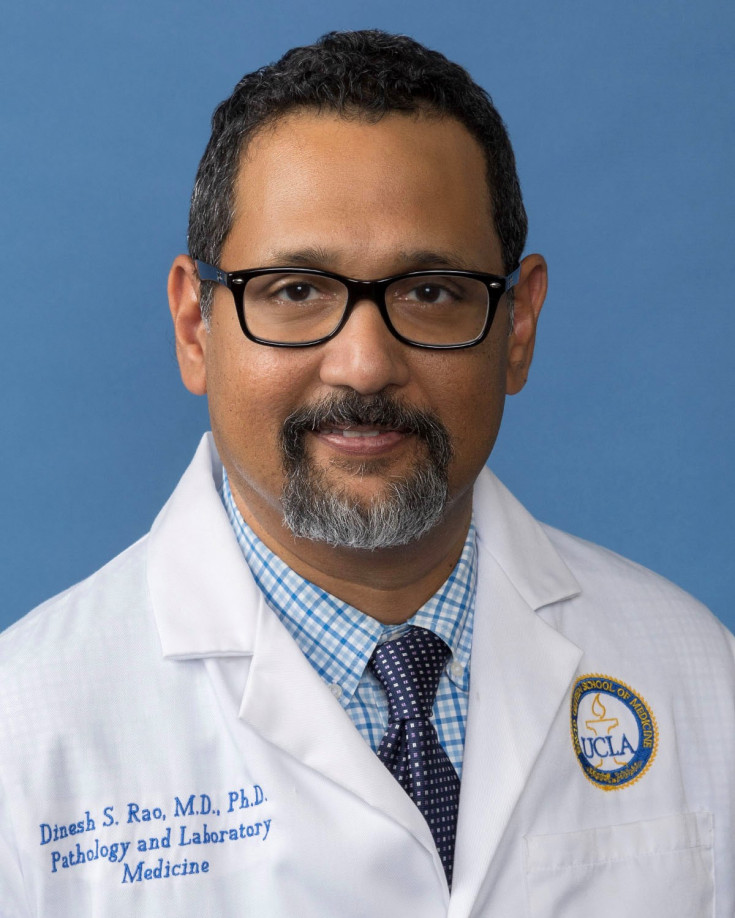
Dr. Dinesh Rao was interviewed for the ASH Clinical News article “From Microscopes to AL.”
Hematopathology has undergone a dramatic transformation over the past decade, evolving from traditional microscope-based diagnosis to complex analyses involving genetic, chromosomal, and immunologic data. Dr. Rao and others discuss the integration of next-generation sequencing (NGS) and artificial intelligence (AI) has expanded diagnostic capabilities, but also increased the cognitive and logistical demands on specialists, reshaping workflows, tumor board discussions, and treatment planning.
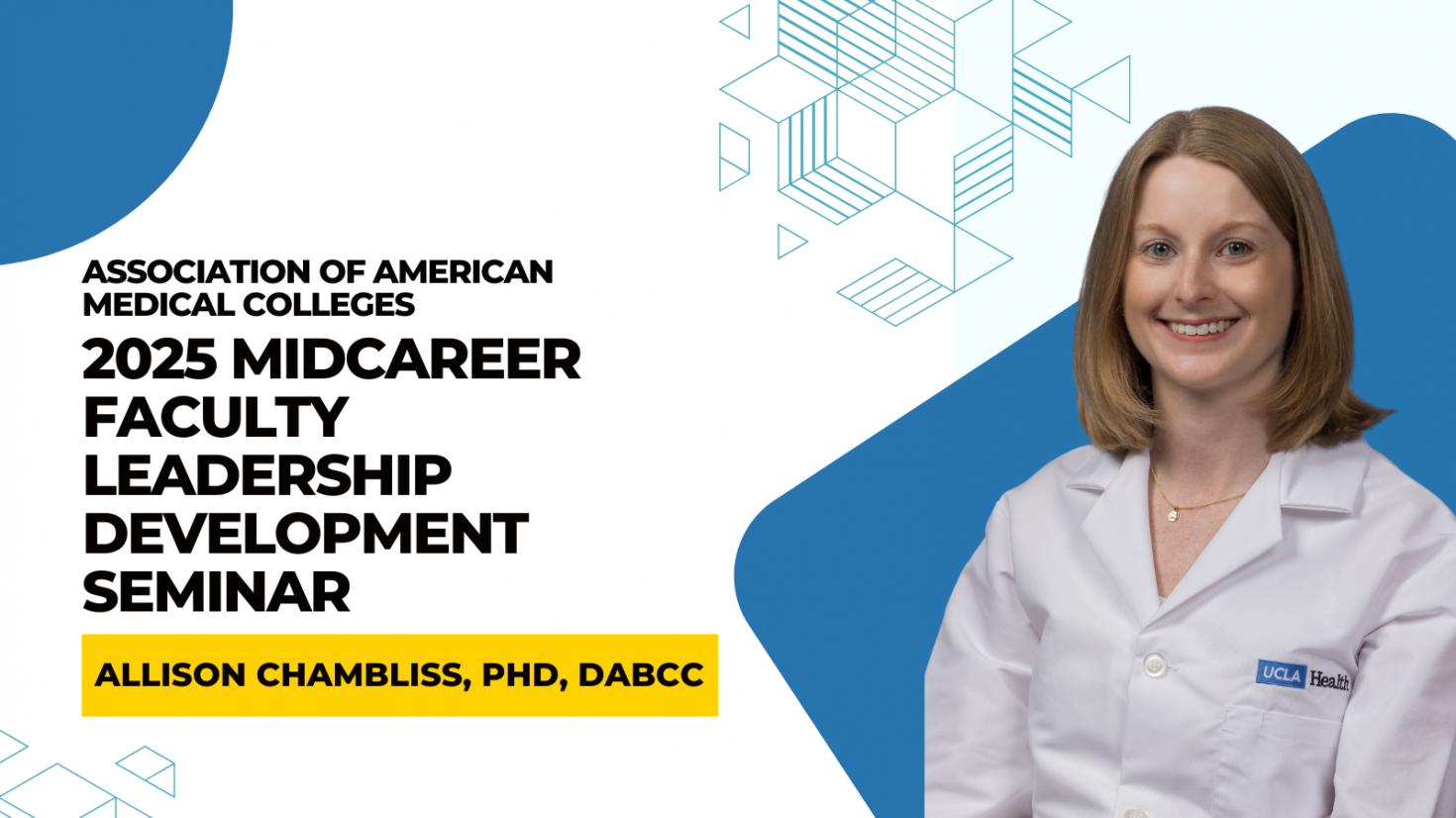
Conferences, Training, & Technology
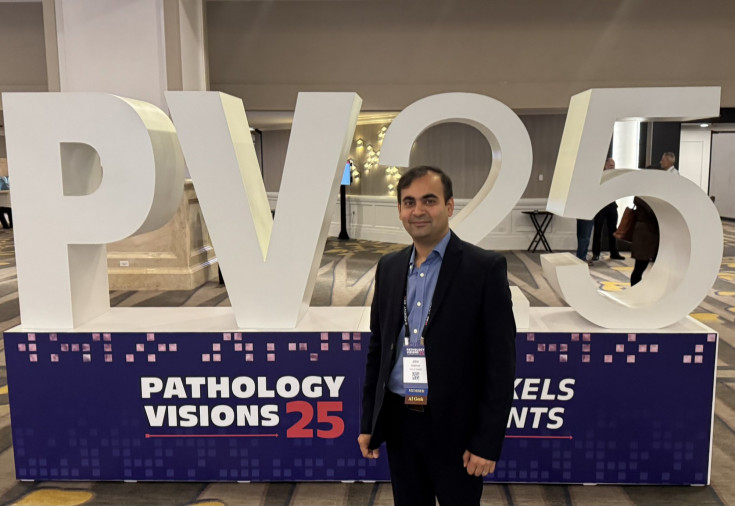
Pathology Visions Conference – San Diego, CA
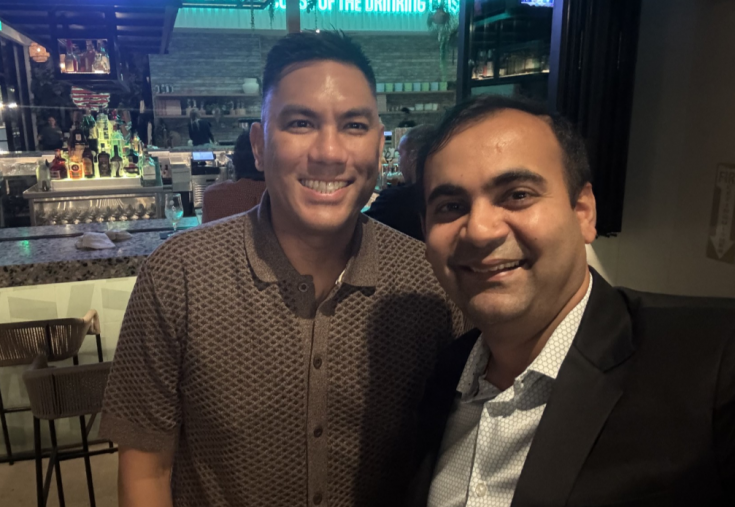
The Pathology Visions Conference took place from October 5-7, 2025 in San Diego, CA. Department attendees included Dr. Khalda Ibrahim and Dr. Jitin Makker.
Prior to the conference, Dr. Khalda Ibrahim and Dr. Ken Zhu (PGY-3) attended a joint meeting of CAP’s Artificial Intelligence and Digital and Computational Pathology Committees. Dr. Zhu is a junior member of the committees.
Dr. Ibrahim also presented at ASCP's Reimagining the Lab: AI, Innovation and the Future of Diagnostics on October 14, 2025 in Chicago, IL.
51st Annual Meeting of the American Society for Histocompatibility & Immunogenetics (ASHI) – Orlando, Florida
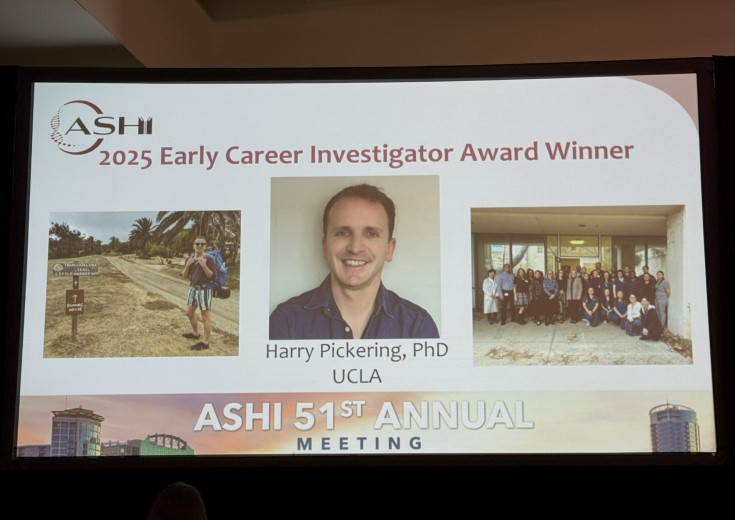
From October 6-10, 2025, UIC's faculty and staff attended the 51st Annual Meeting of the American Society for Histocompatibility & Immunogenetics (ASHI) in Orlando, Florida. Dr. Elaine Reed, Dr. Carrie Butler, Dr. Sun Mi Choi, Dr. Michelle Hickey, Dr. Harry Pickering, Dr. Nwe Nwe Soe, Dr. Rebecca Sosa, Dr. Olga Timofeeva, Dr. Jennifer Zhang, Dr. Rajesh Parmar (Project Scientist), Dr. Shili Ge (Project Scientist), Dr. Mario Pulido (Clinical Instructor), Dr. Yuxin Yin (Clinical Instructor), Dr. Yiping Jin (Research Professor), Arlene Locke (Staff Research Associate III), and Michelle Nguyen (CLS Laboratory Supervisor) joined fellow experts in immunogenetics and transplant immunology to explore the latest advancements in the field and present their research abstracts.
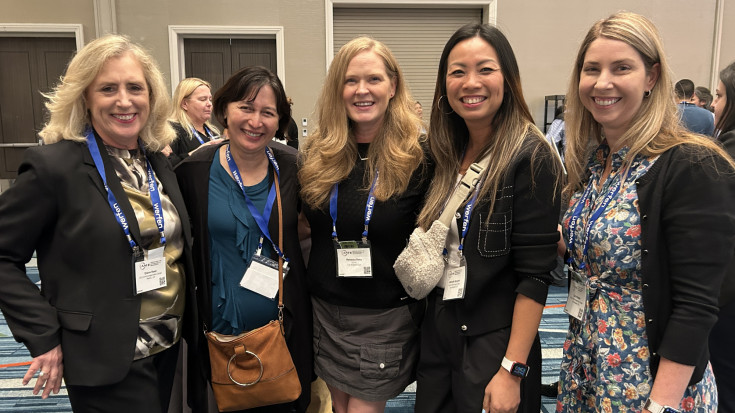
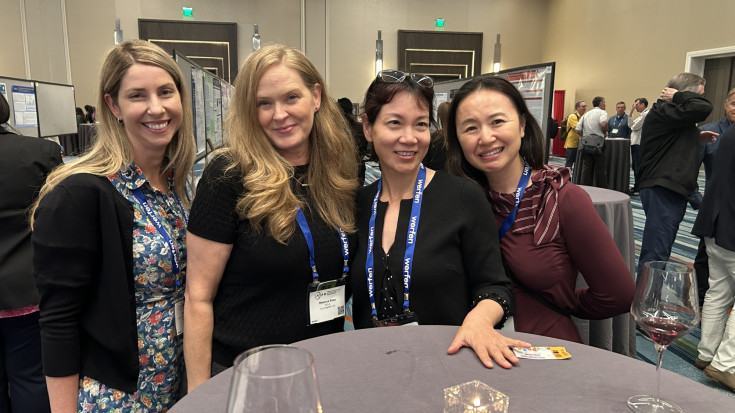
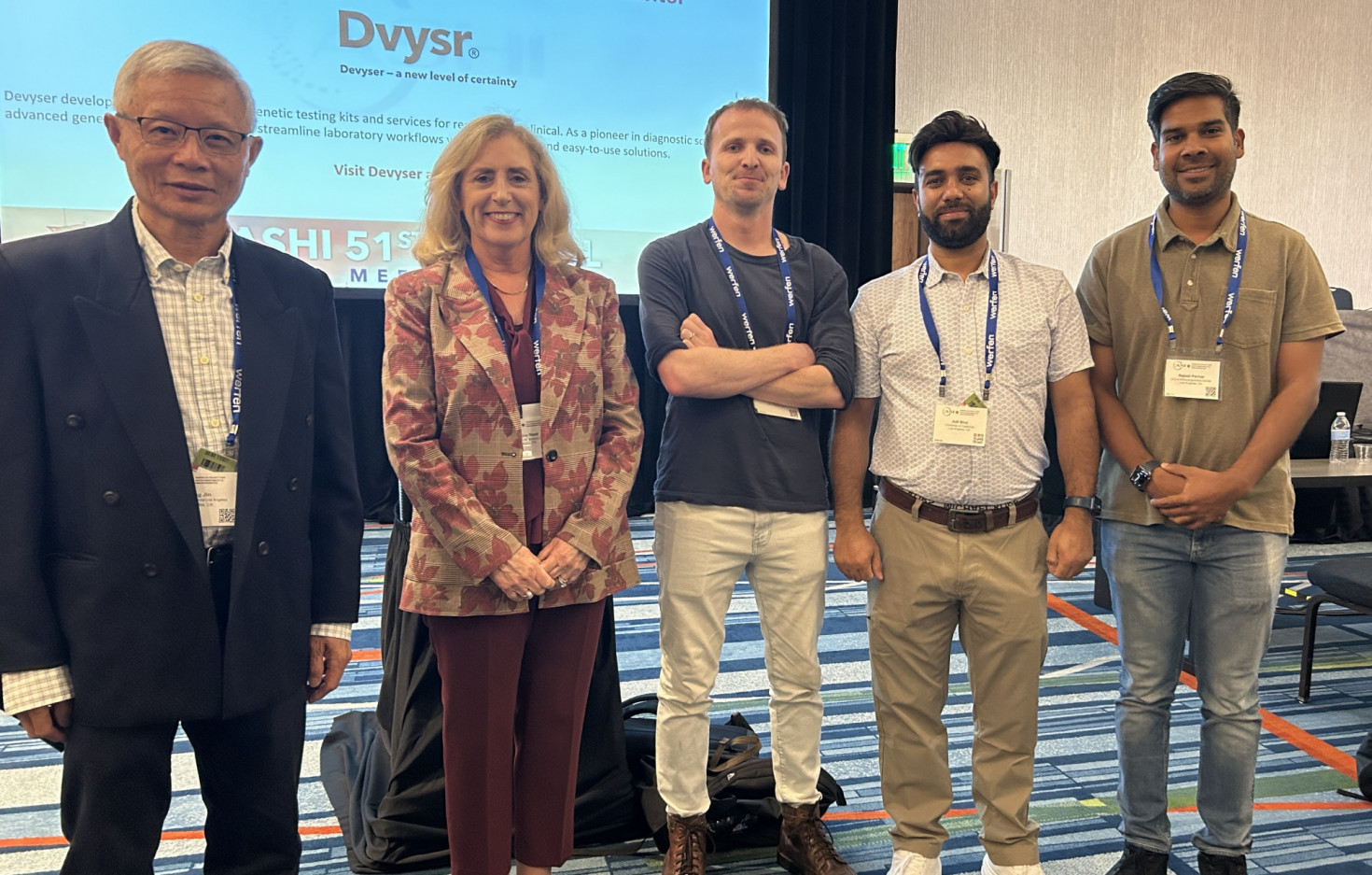
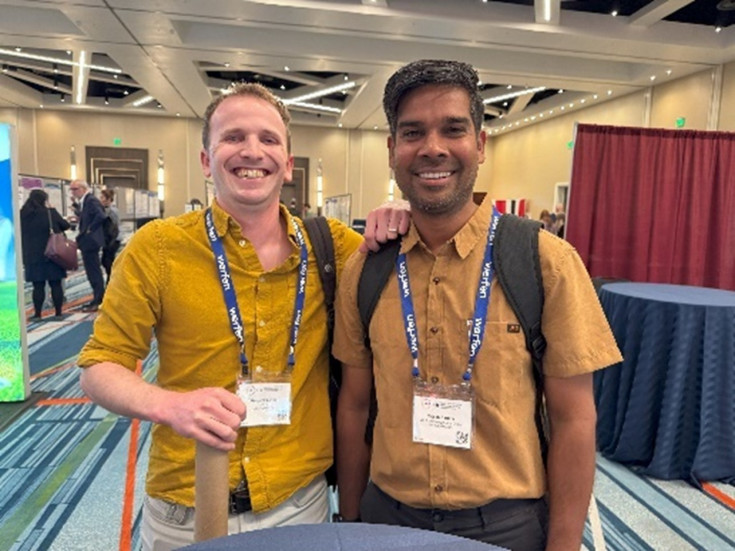
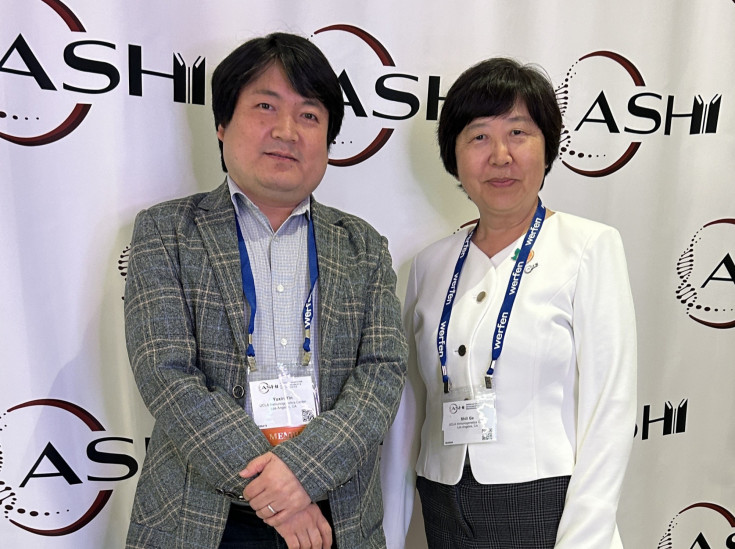
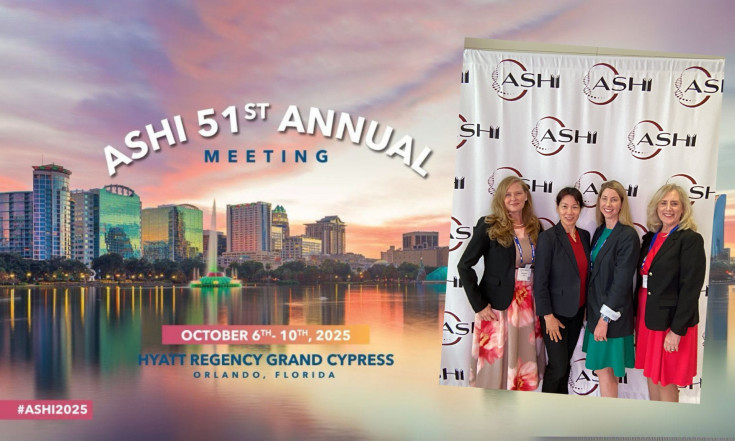
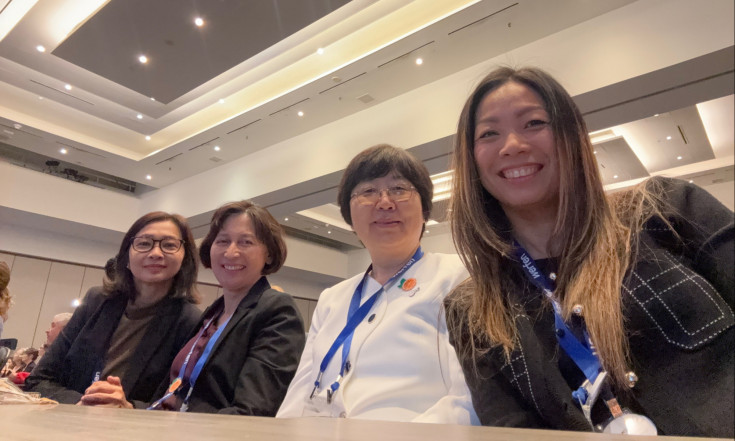
(L) Dr. Rebecca Sosa, Dr. Jennifer Zhang, Dr. Carrie Butler, Dr. Elaine Reed
(R) Dr. Nwe Nwe Soe, Arlene Locke, Dr. Shili Ge, Michelle Nguyen
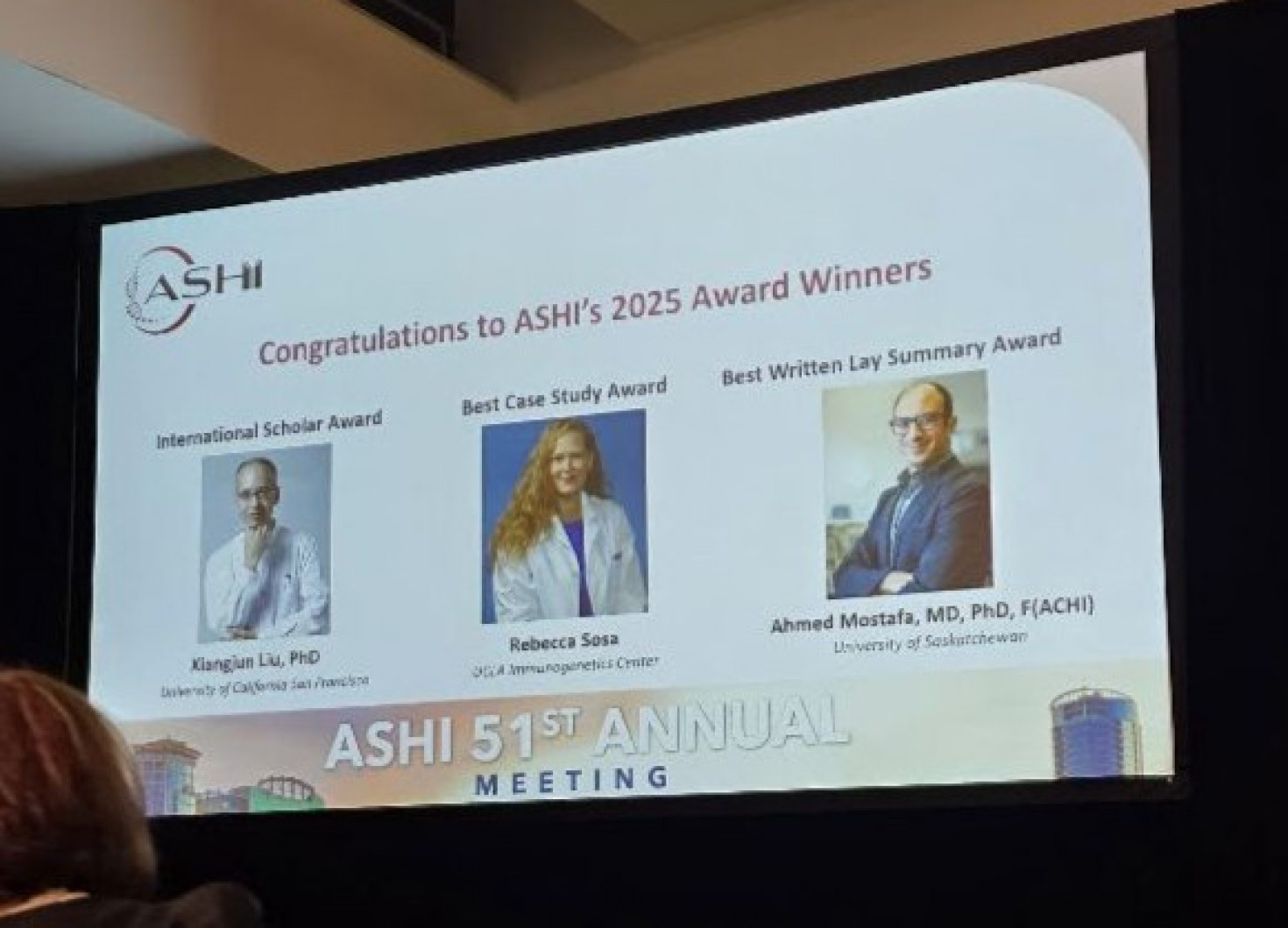
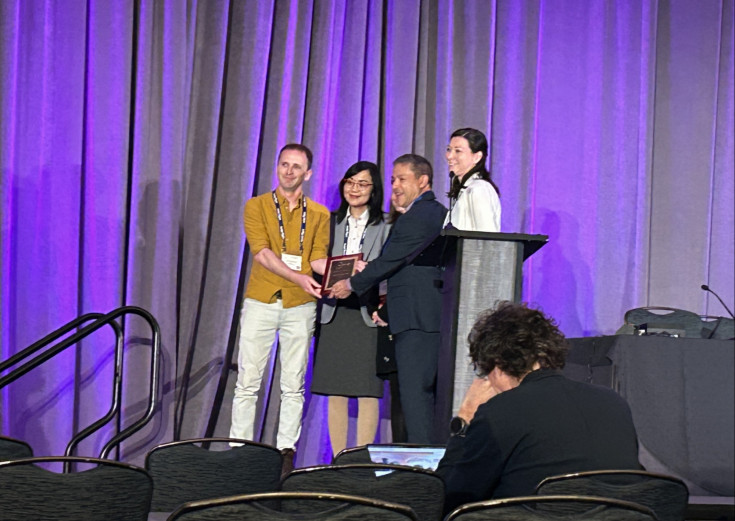
Two of UIC's faculty members were also recognized with awards at ASHI as well!
Dr. Rebecca Sosa was a recipient of the Best-Case Study Award for the publication, “First Successful Tolerance Induction in a Haploidentical Sibling Simultaneous Kidney and Hematopoietic Stem Cell Transplant without Multiagent Chemotherapy or Total Body Irradiation.”
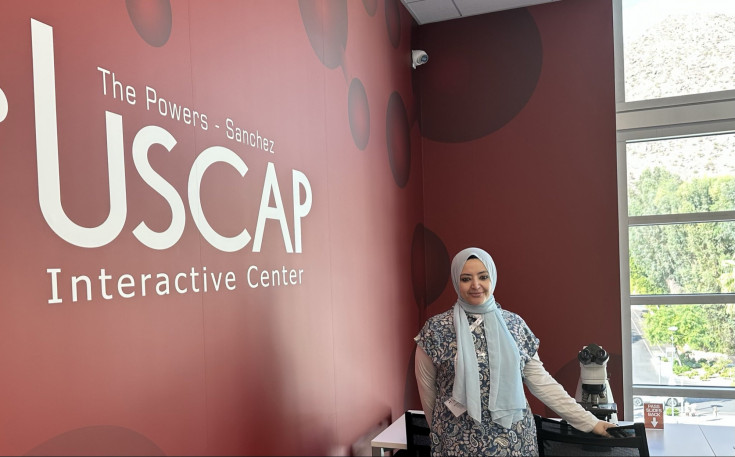
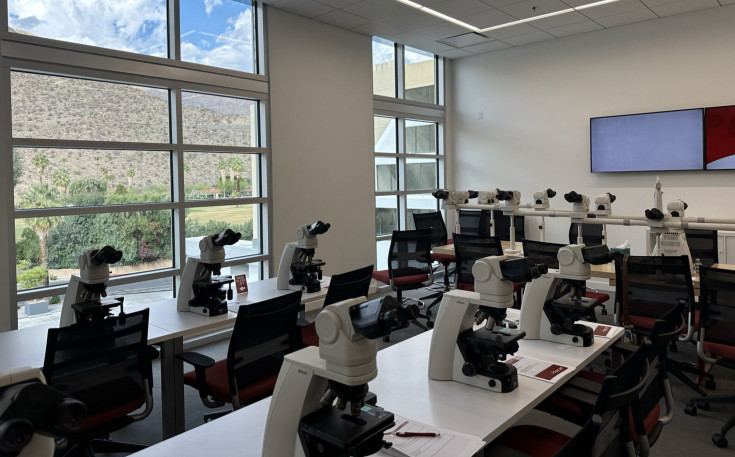
USCAP Course: Don’t Go Down the Tubes: Updates in the Diagnosis of Luminal Gastrointestinal Neoplasia – Palm Springs, CA
The USCAP Course: Don’t Go Down the Tubes: Updates in the Diagnosis of Luminal Gastrointestinal Neoplasia took place from October 8-10, 2025 in Palm Springs, CA. Department attendees included Dr. Mai Elzieny (Surgical Pathology Fellow) and Dr. Ruoji Zhou (PGY-3).
Southern California American Society for Microbiology Conference – La Jolla, CA
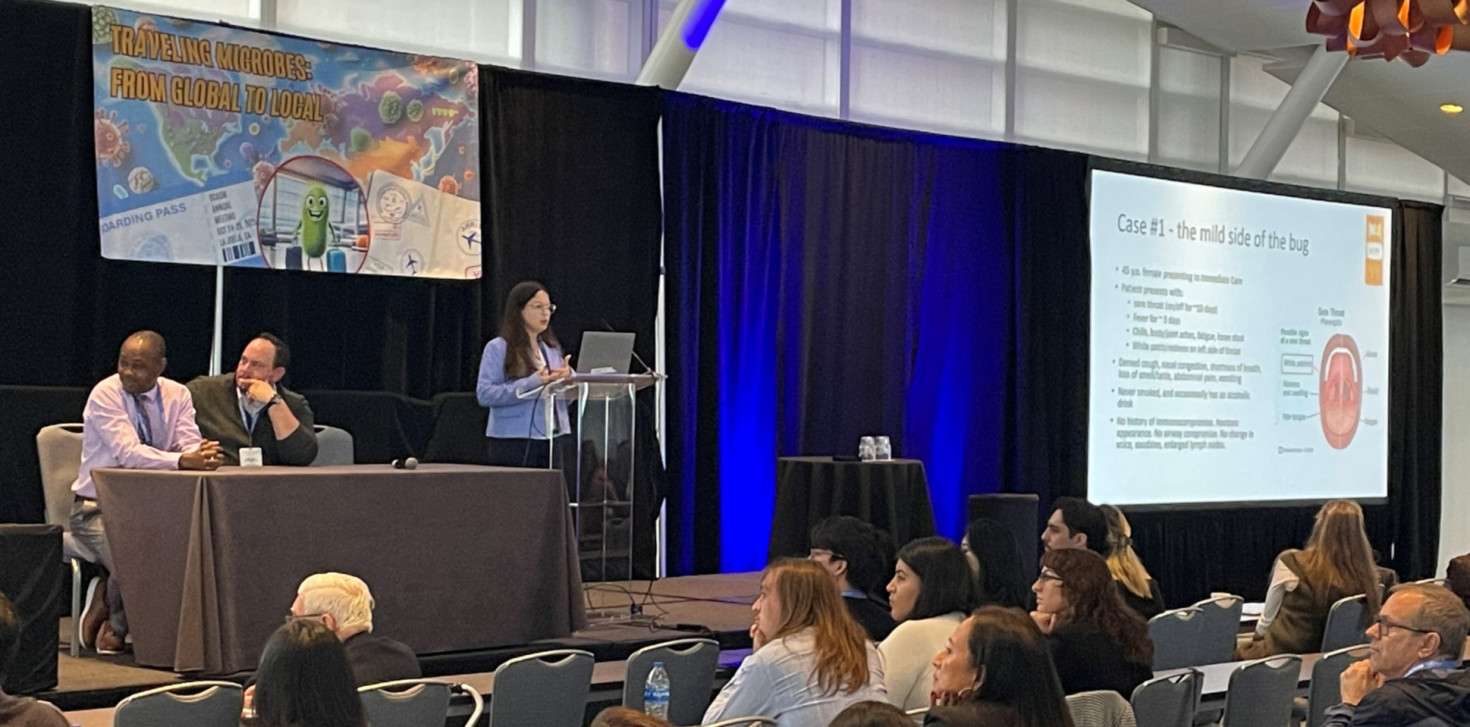
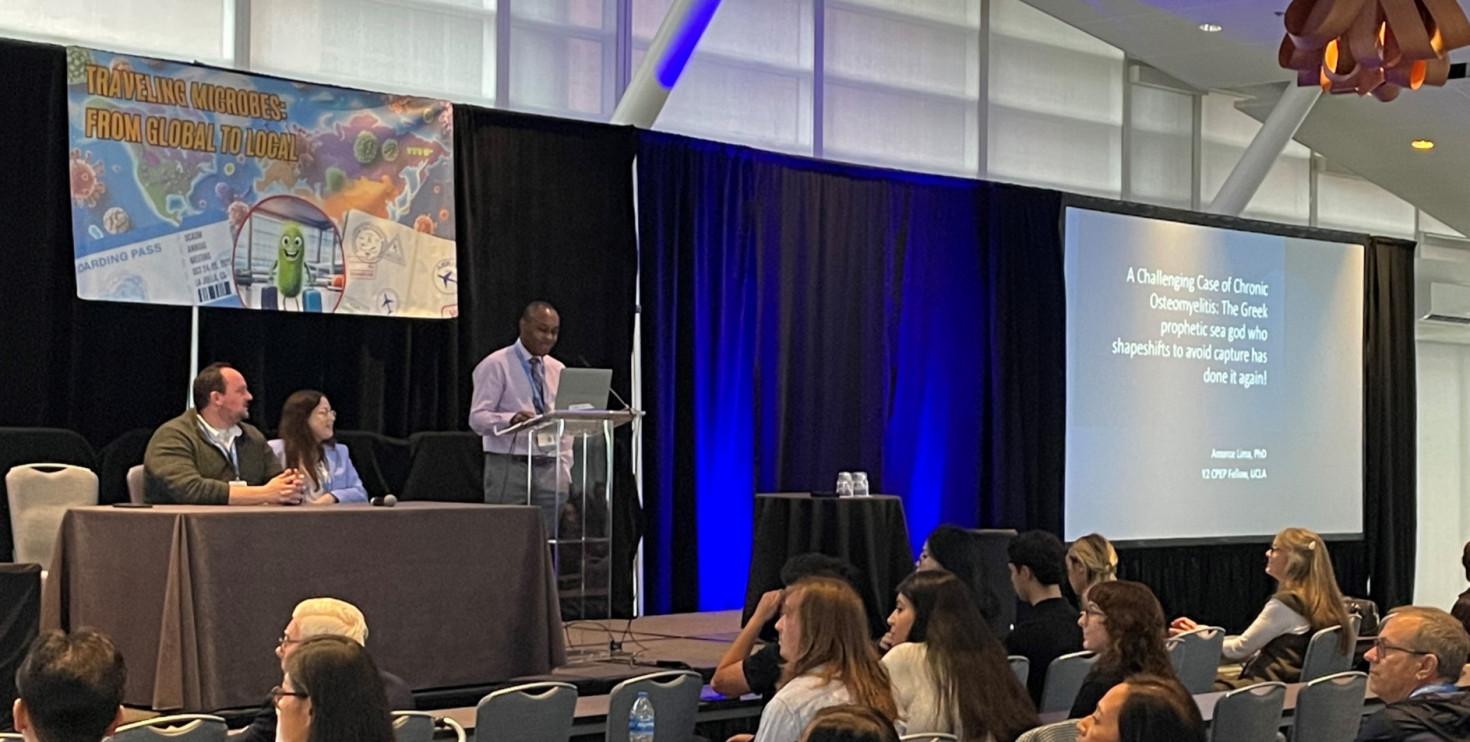
The Southern California American Society for Microbiology (SCASM) Conference took place from Oct 24-25 in La Jolla, CA. Department attendees included Dr. Shekina Gonzalez-Ferrer (Microbiology Fellow), Dr. Amorce Lima (Microbiology Fellow), and Dr. Shaun Yang. Dr. Yang also serves as President of SCASM.
Research Grants
New Research Grants
I’m delighted to announce our FY26 Q1 (July-September 2025) Faculty Research Grants.
Valerie Arboleda, MD, PhD – Disease Modeling and For KAT6 Associated Disorders (Sponsor: KAT6 Foundation)
Valerie Arboleda, MD, PhD – Identify Molecular Basis Between GPS and SBBYS Syndromes Caused by Truncating Mutations in KAT6B (Sponsor: KAT6 Foundation)
Valerie Arboleda (with Aileen Nava), MD, PhD – Elucidating the Pathogenic Mechanisms by Which KAT6A Mutations Alter Human in Vitro Neurodevelopment (Sponsor: NIH-NINDS National Institute of Neurological Disorders and Stroke)
Suki Chandrasekaran, PhD – Human Virome Characterization Center for the Oral-Gut-Brain Axis (Sponsor: NIH)
Jennifer Chia, MD, PhD – Regulation of Hematopoietic Stem Cell Quiescence by a Unique Set of NFKB Response Genes (Sponsor: CIRM)
Dinesh Rao, MD, PhD – Targeting Post-Transcriptional Gene Regulation in Triple-Negative Breast Cancer (Sponsor: UC/California Breast Cancer Research Program)
Peter Tontonoz, MD, PhD – Mechanisms of Dietary Nutrient Absorption (Sponsor: NIH-NIDDK National Institute of Diabetes and Digestive and Kidney Diseases)
Jasmine Zhou, PhD – Reach for the Stars: Elevating the Diversity and Science Lecture Series Platform (Sponsor: University of California San Diego)
Translational Research Fund (TRF)
The purpose of the Translational Research Fund (TRF) is to help prepare and support UCLA Faculty-initiated research with particular focus on translational projects. TRF funding is also intended to foster greater involvement by UCLA pathology residents and fellows in research projects.
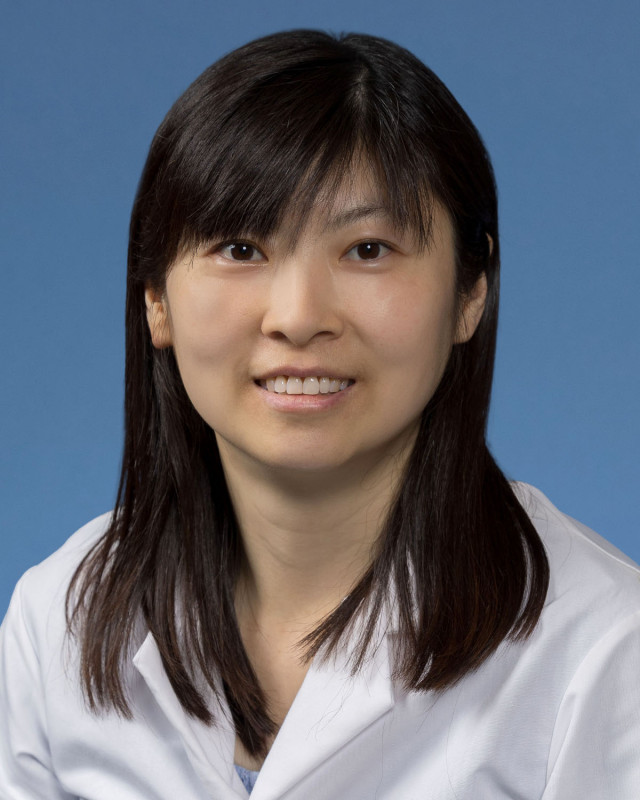
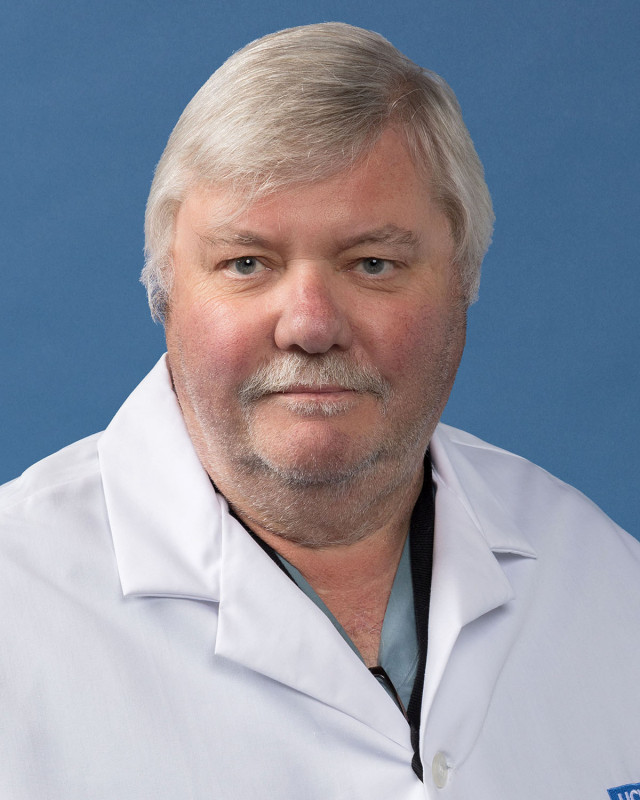
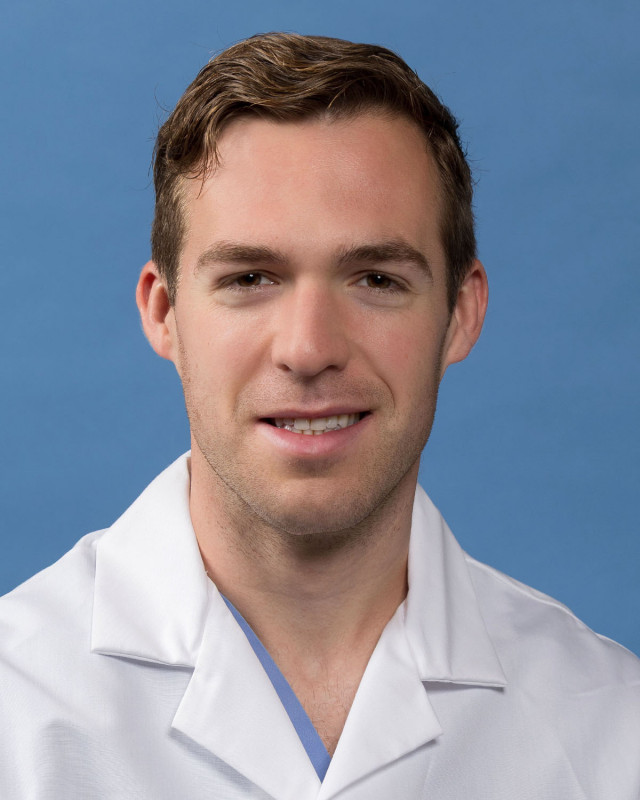
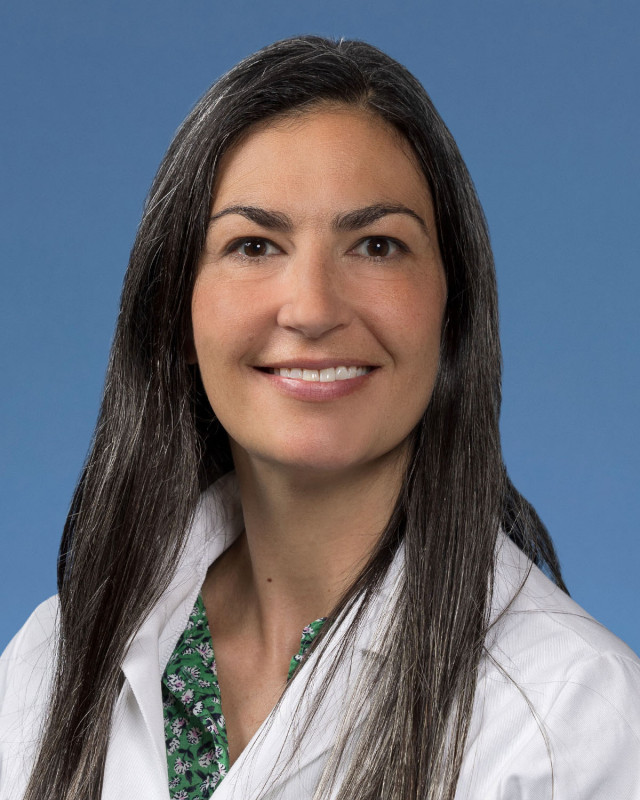
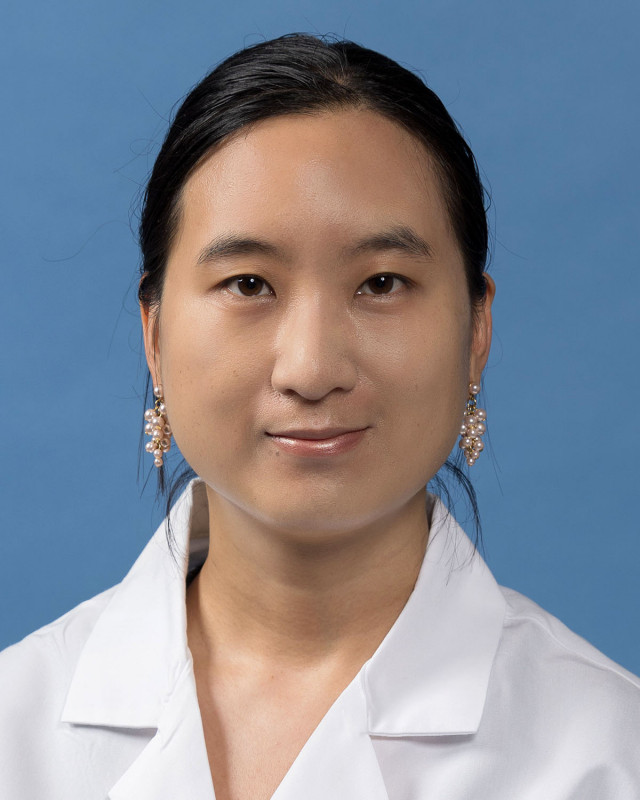
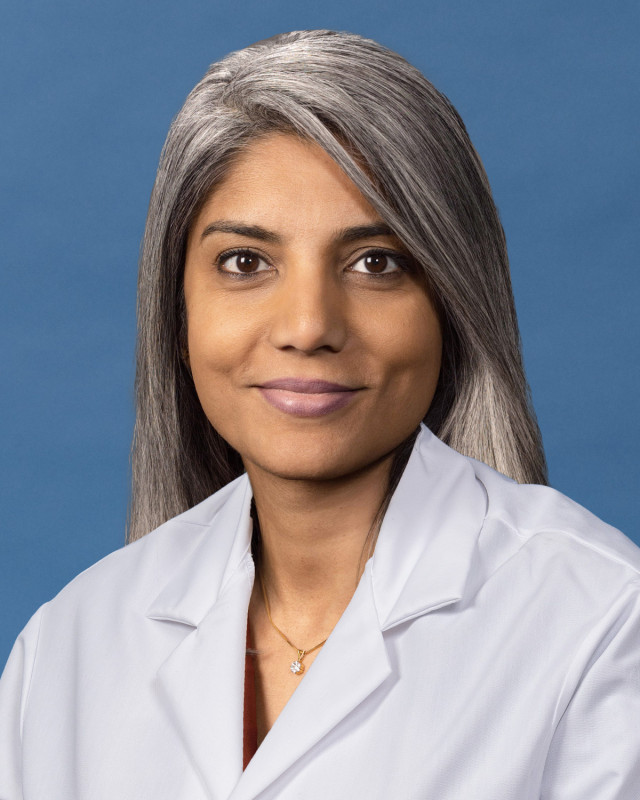
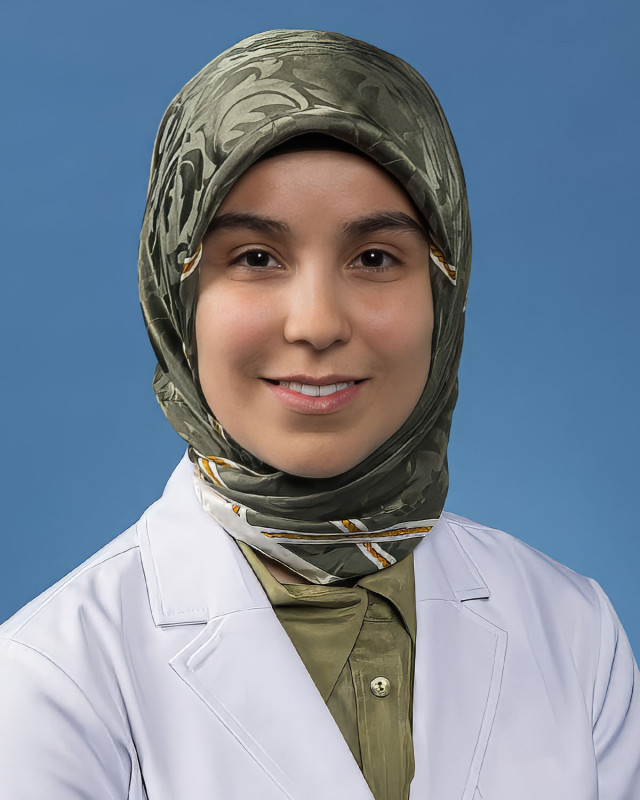
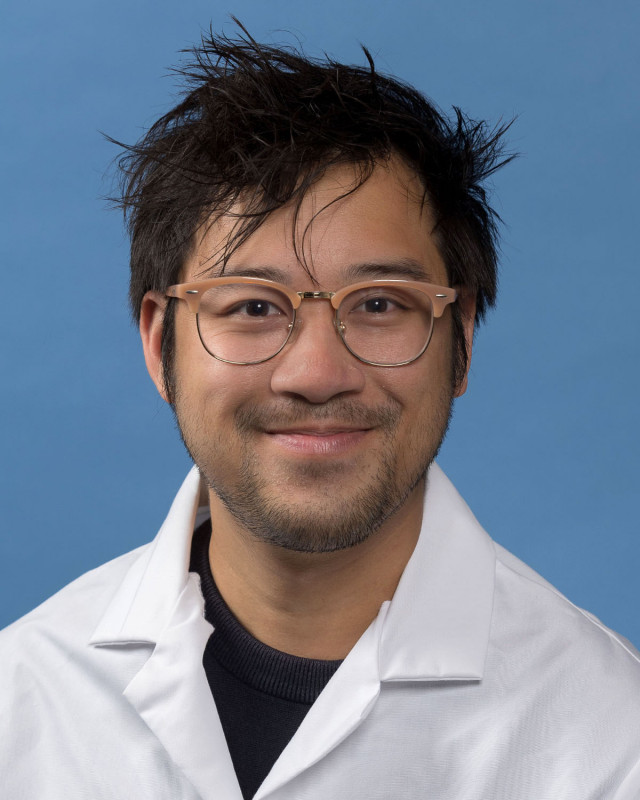
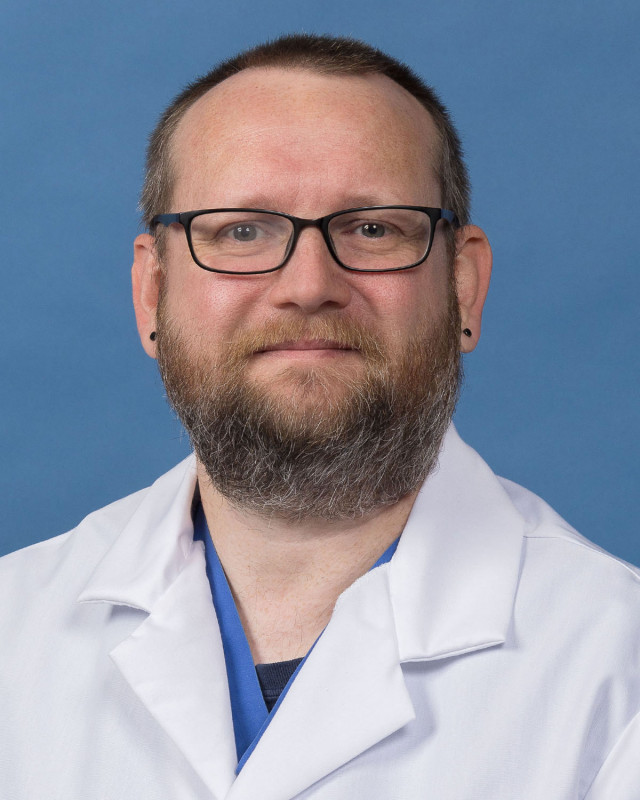
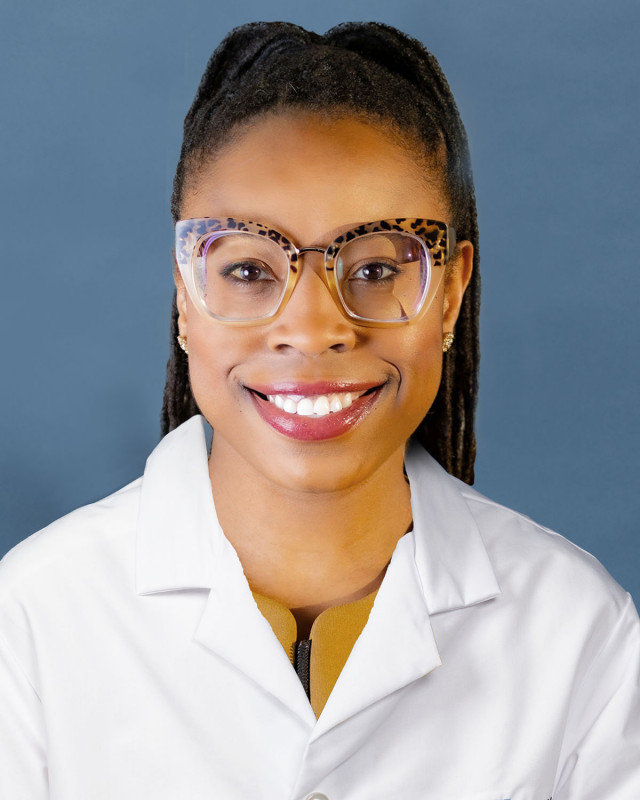
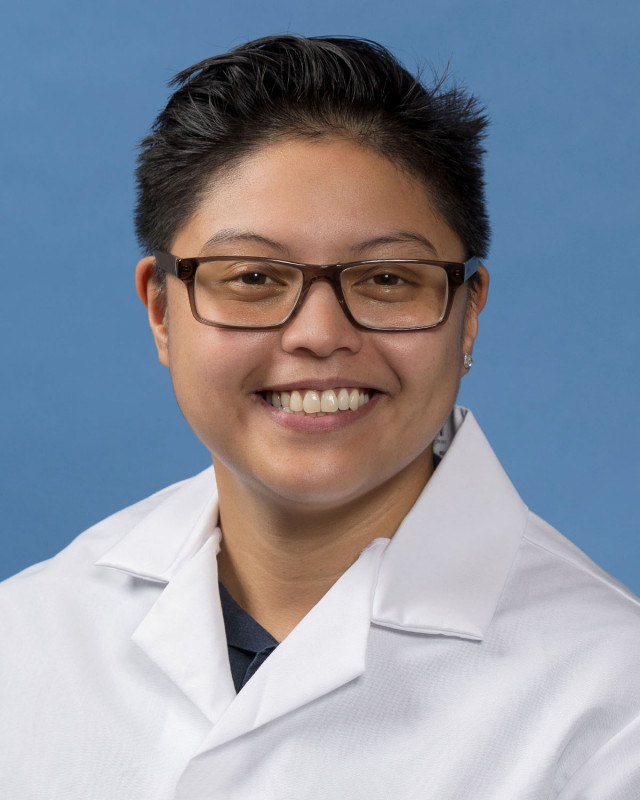
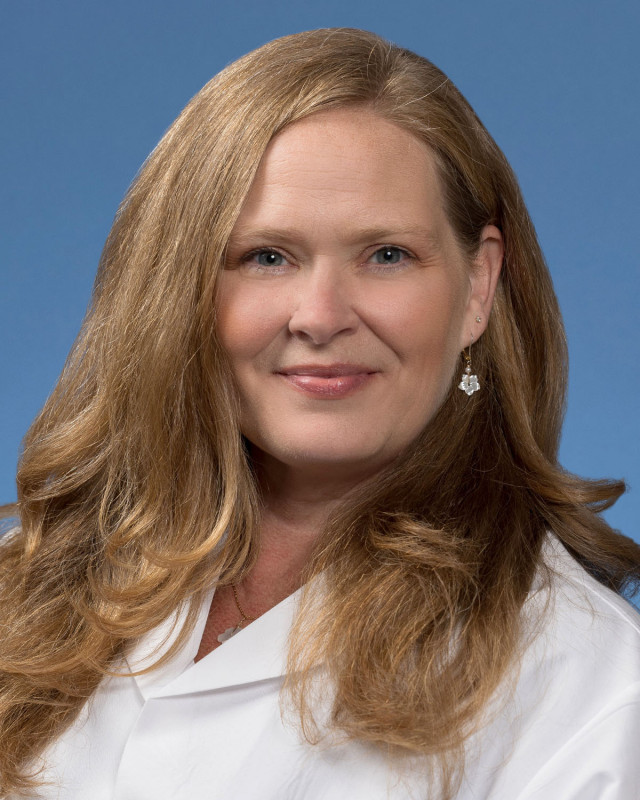
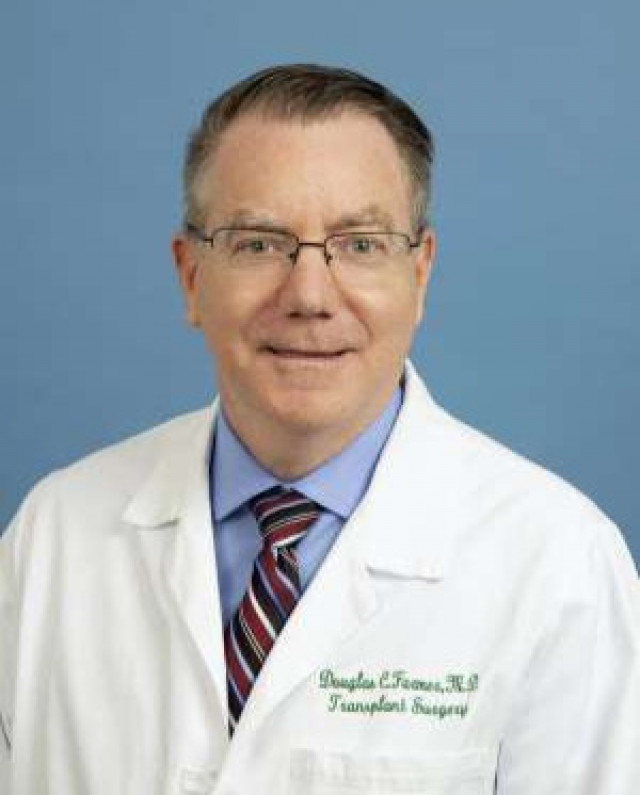
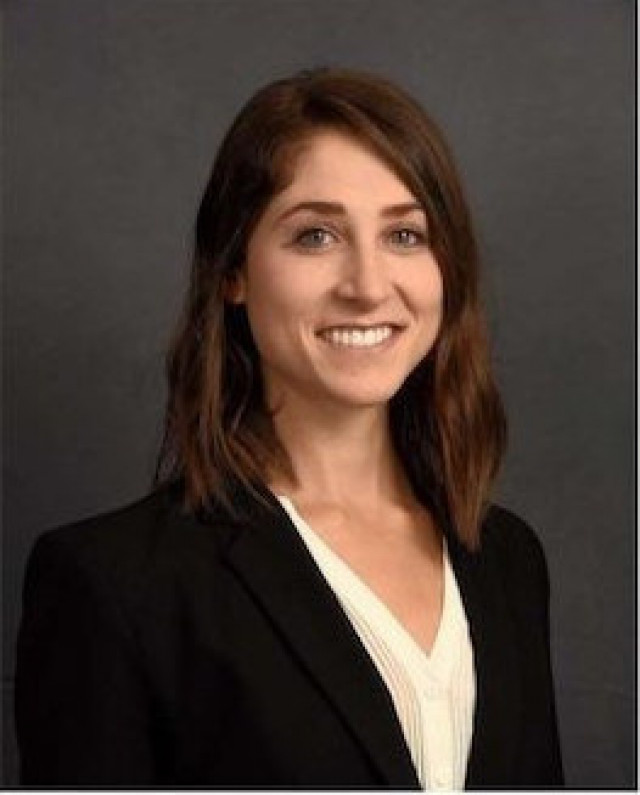
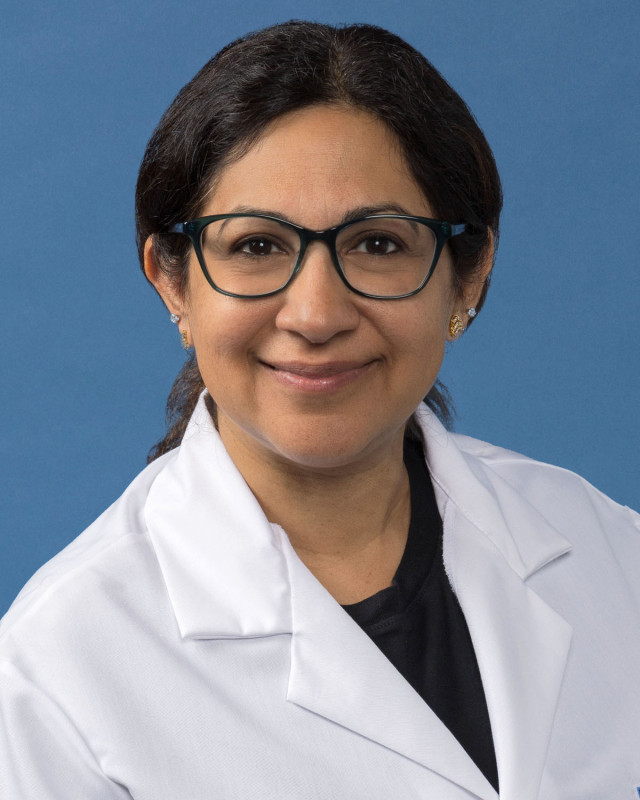
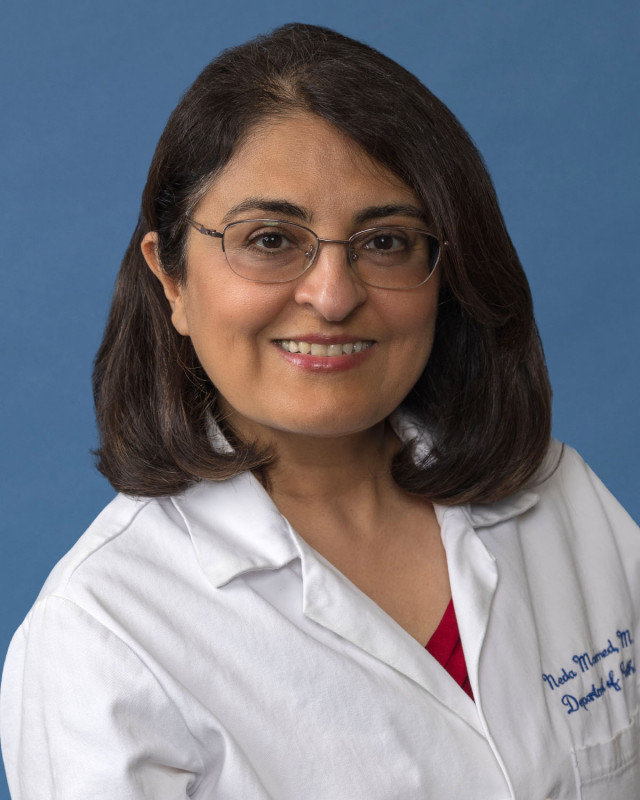
Congratulations to our Fall 2025 Submission Recipients!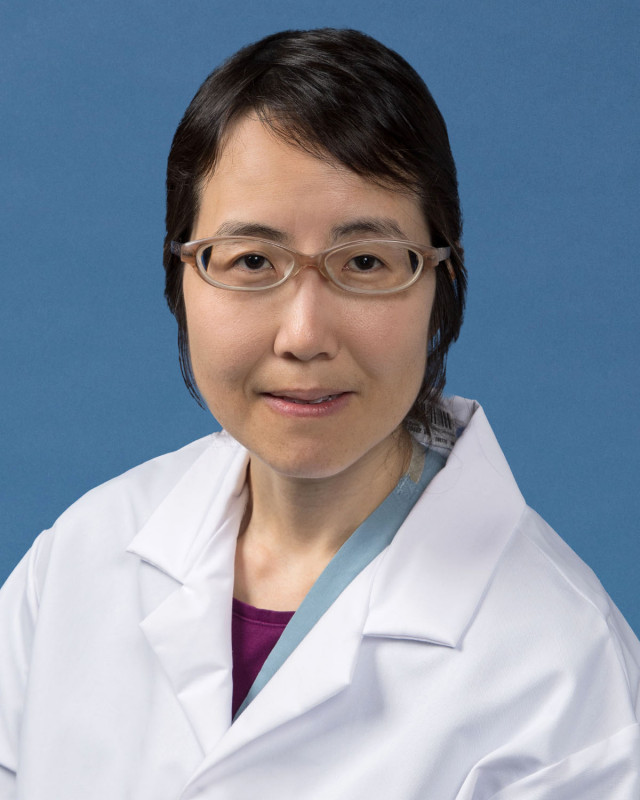
Halloween
Pathoween
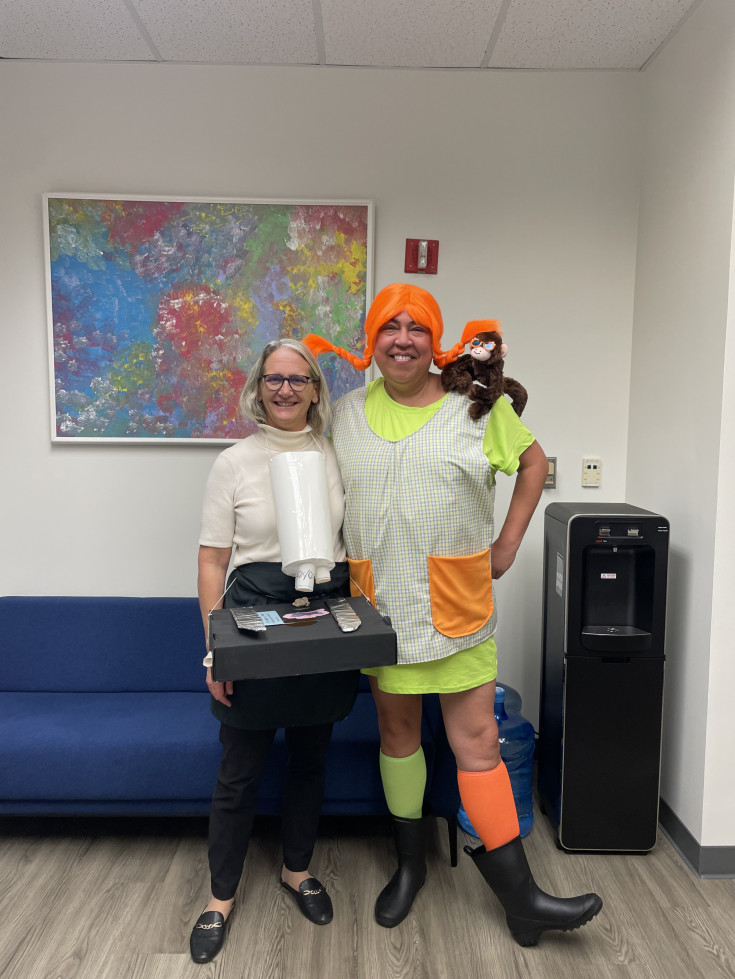
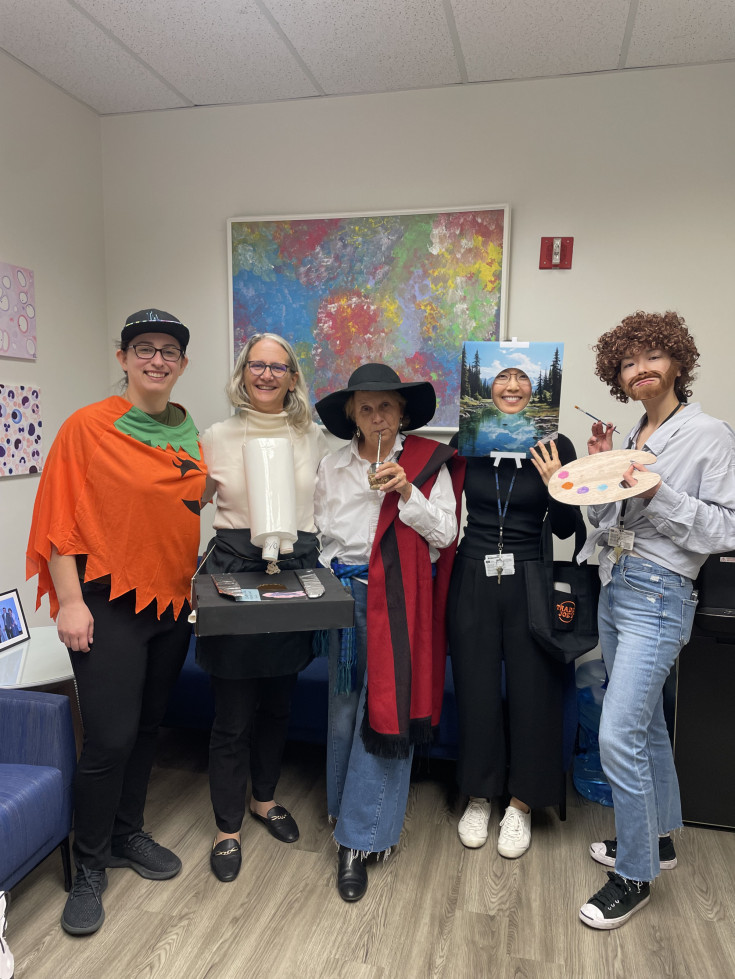
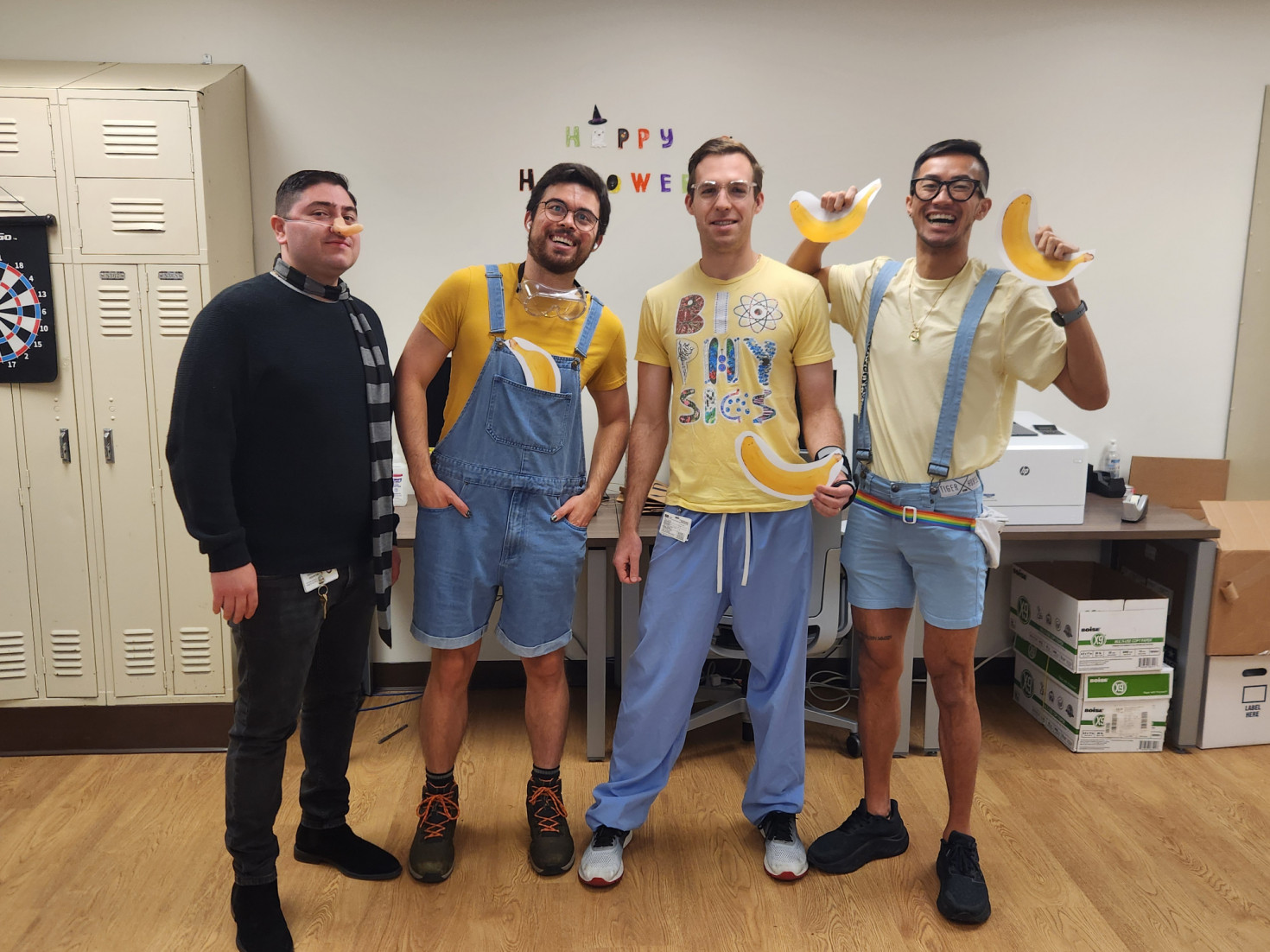
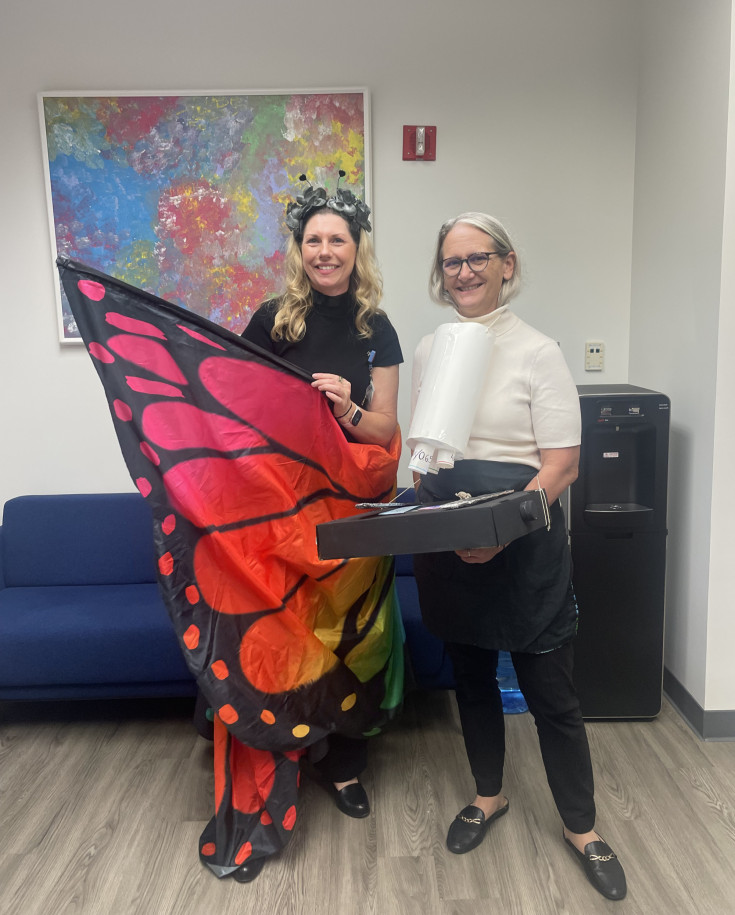
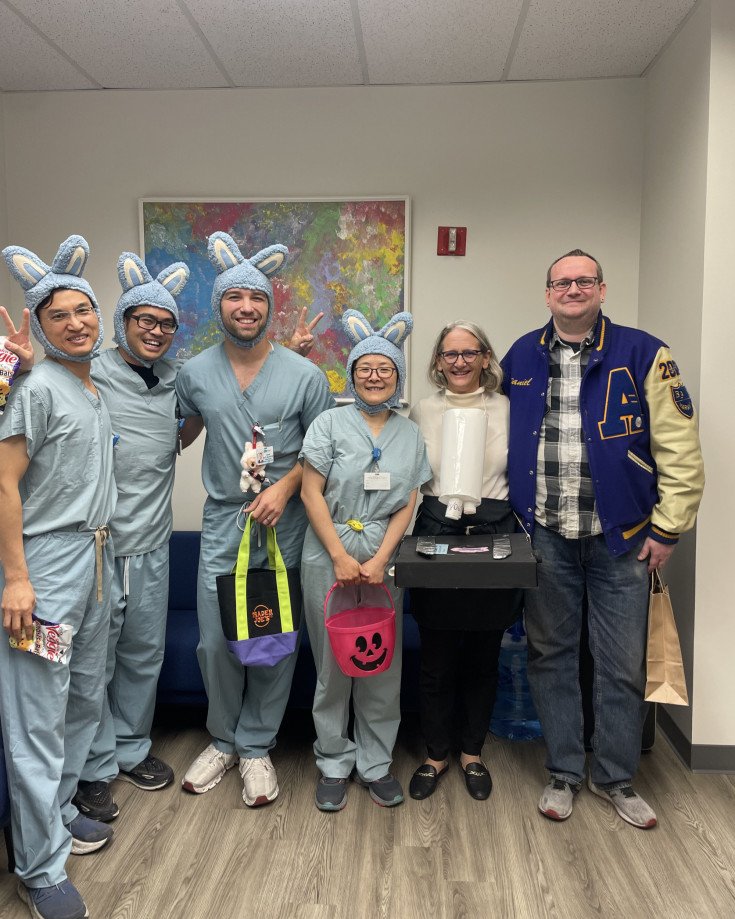
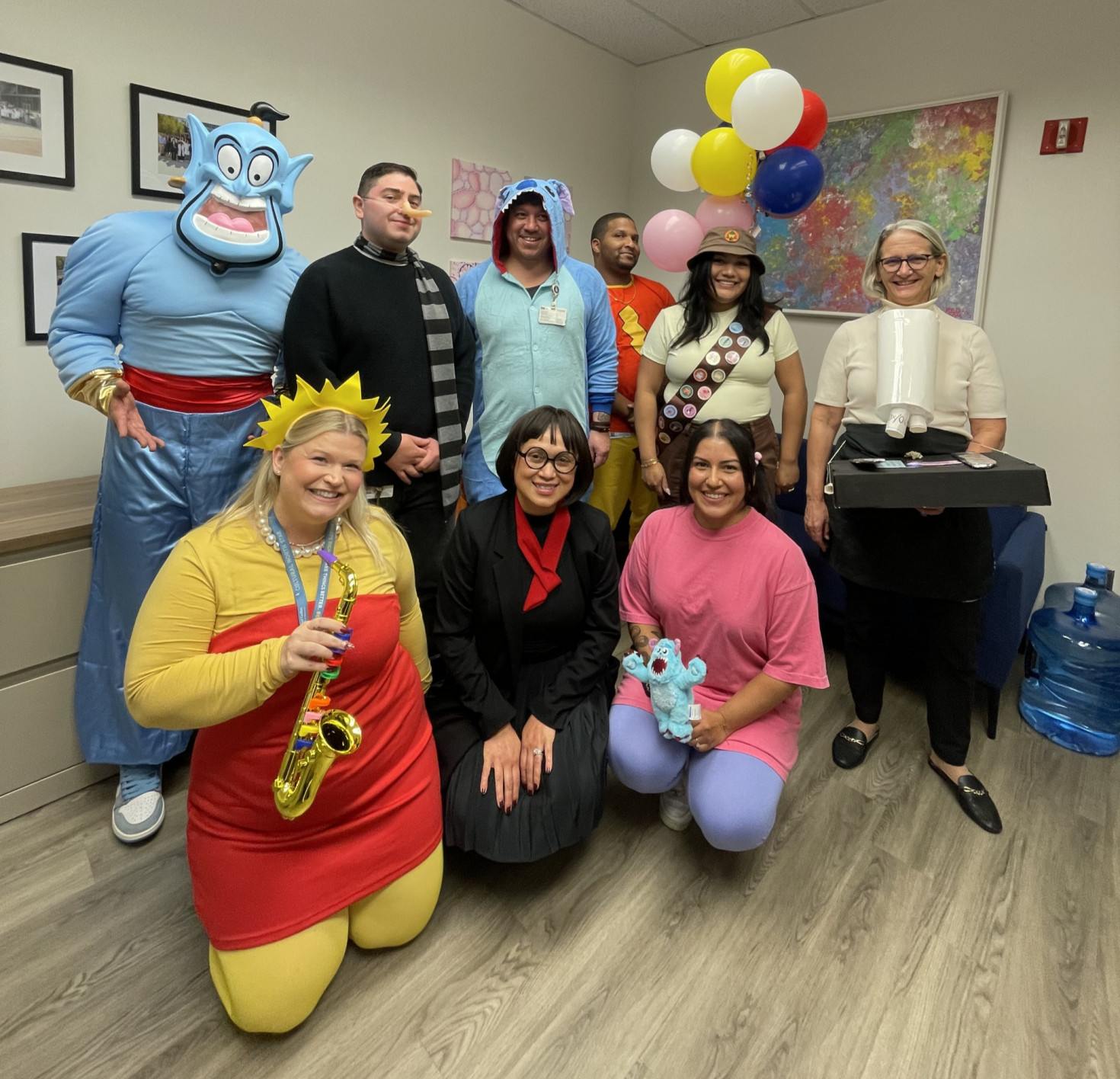
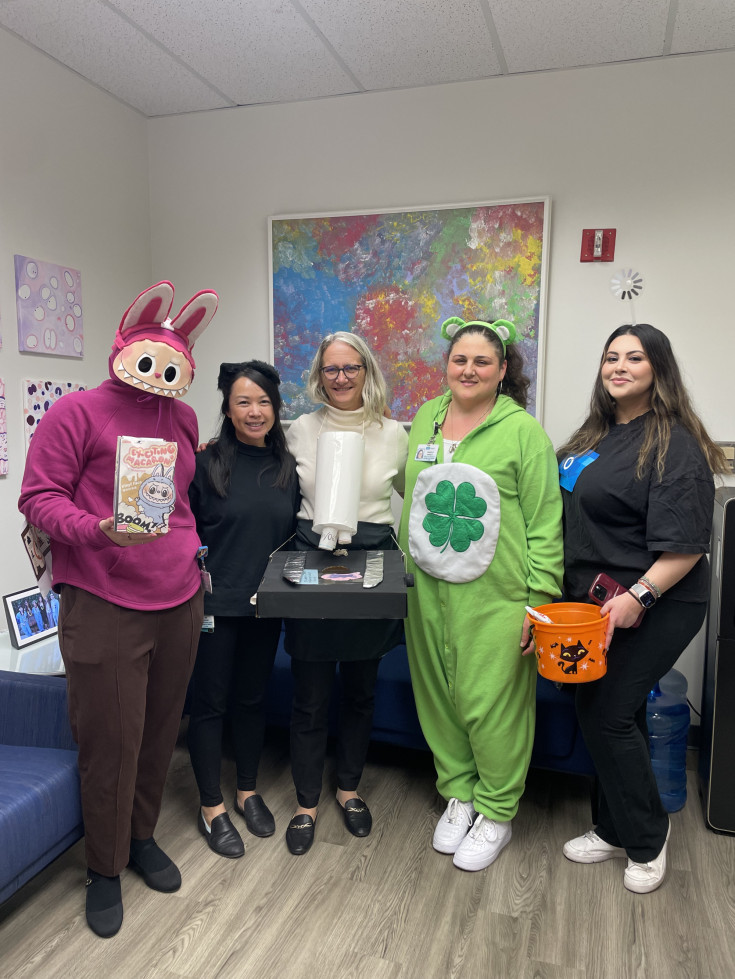
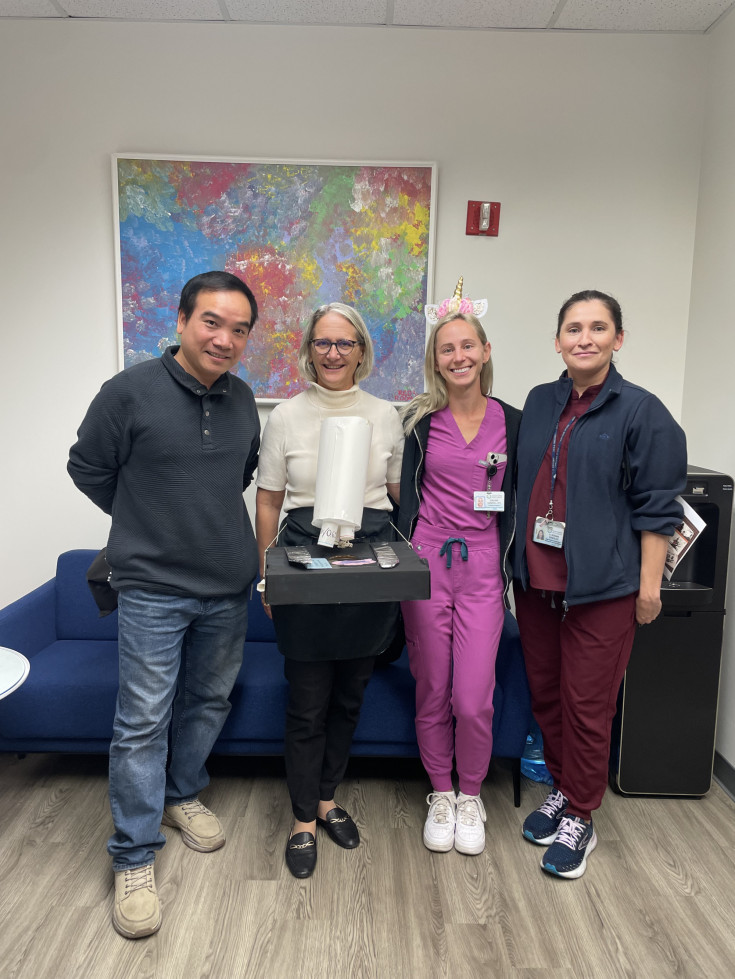
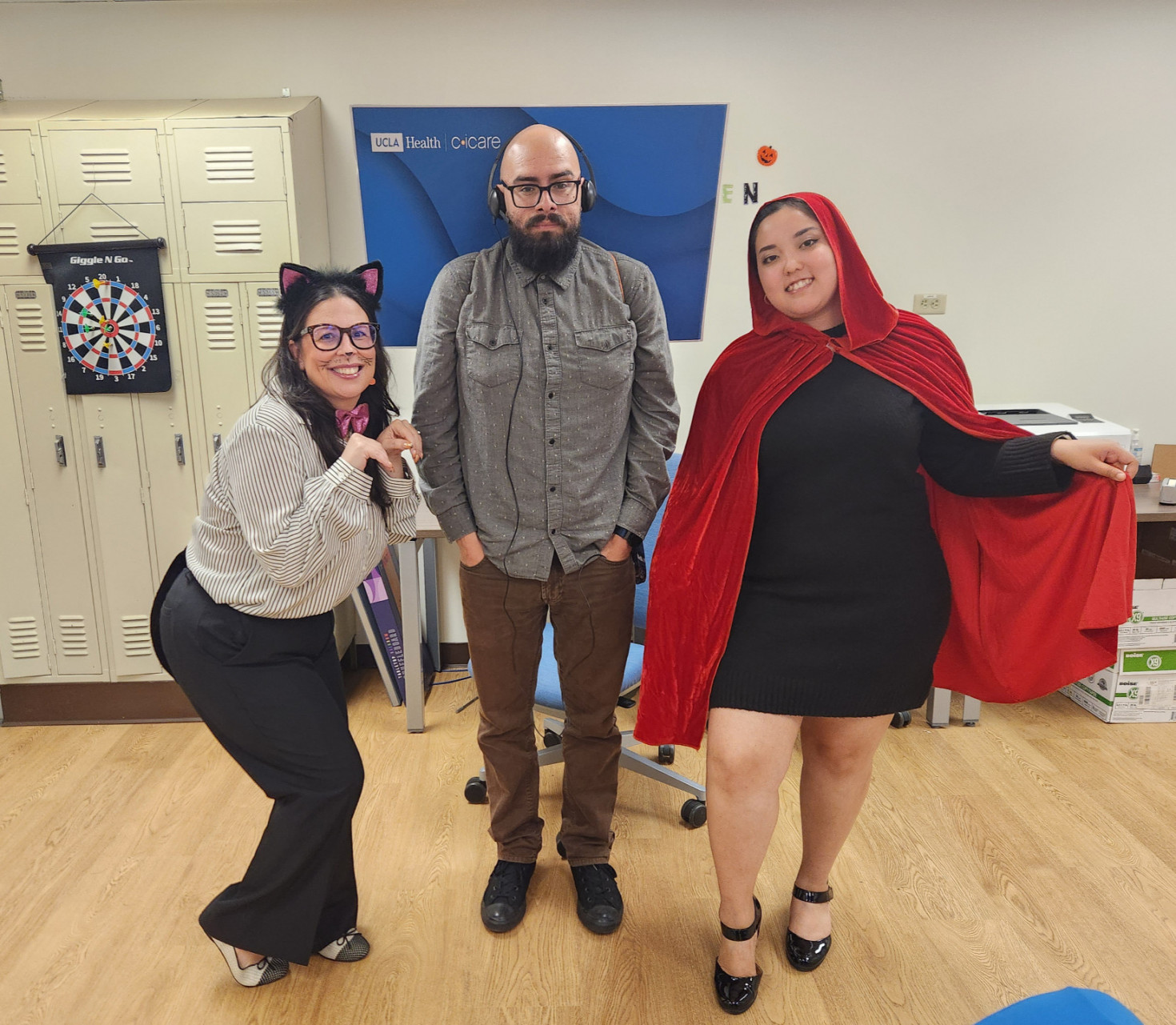
This Halloween (aka Pathoween), those who visited the Chair's Office received a treat and a photo op with Dr. Dry! Please see some of our spooky and creative trick-or-treaters!
Be on the lookout for the One Lab Committee's costume contest winners! Prizes will be awarded to the following categories: First Place, Second Place, Best Group, Funniest, Most Original, and Scariest.
Fun News from Our PLM Team
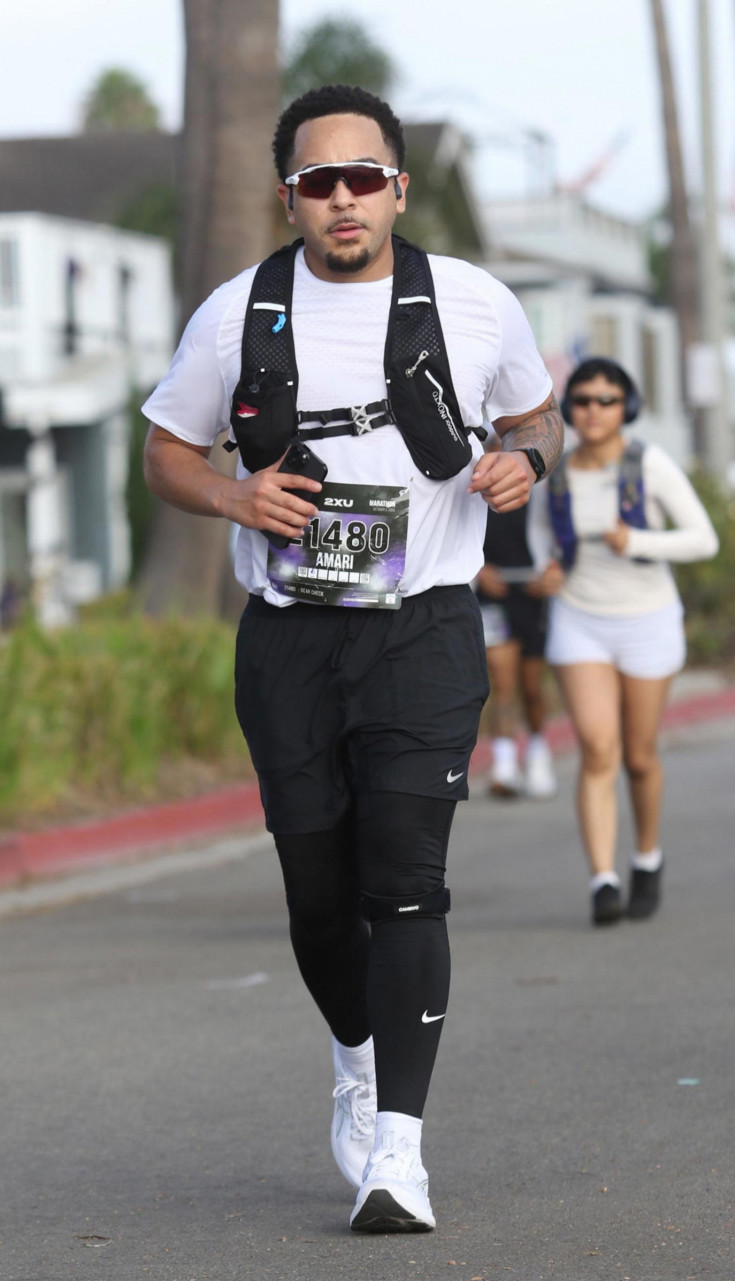
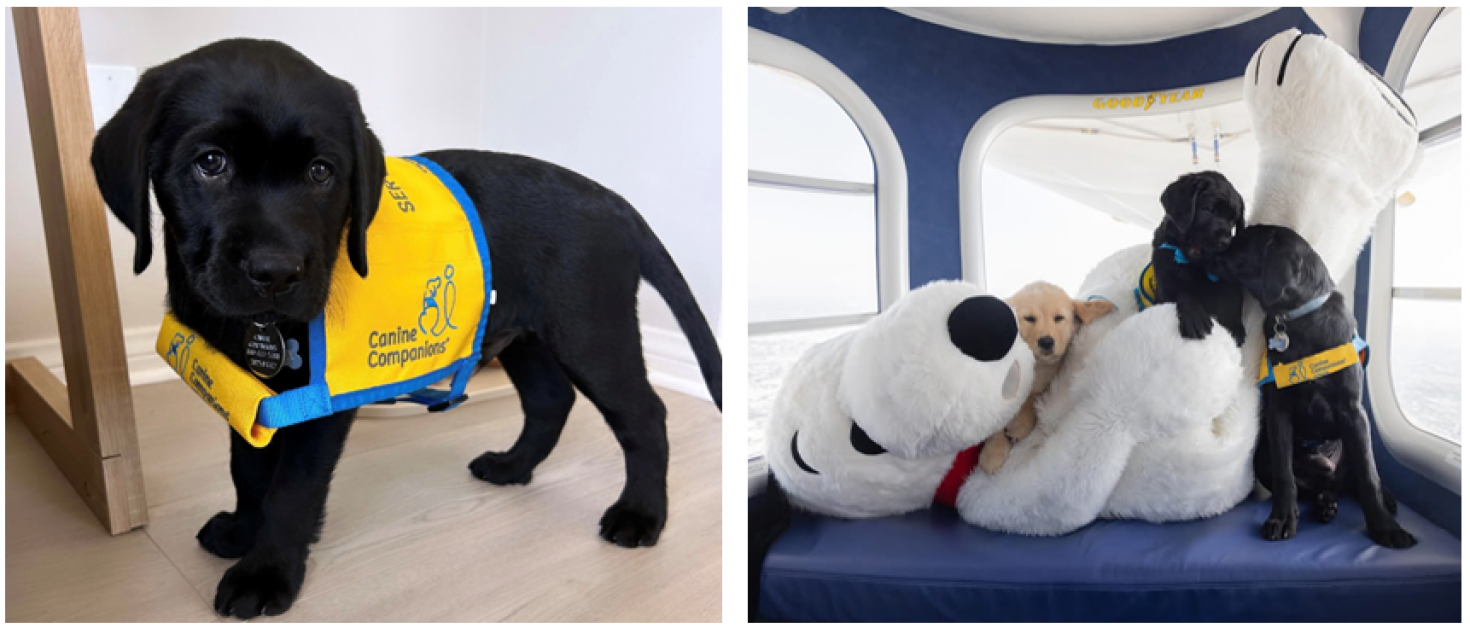
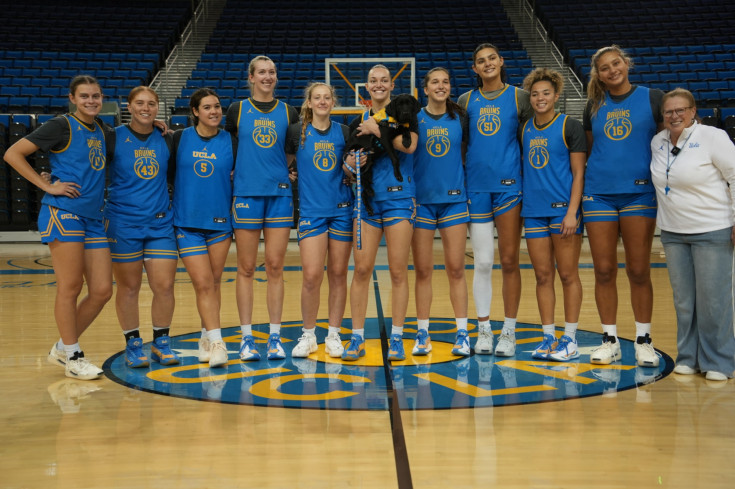
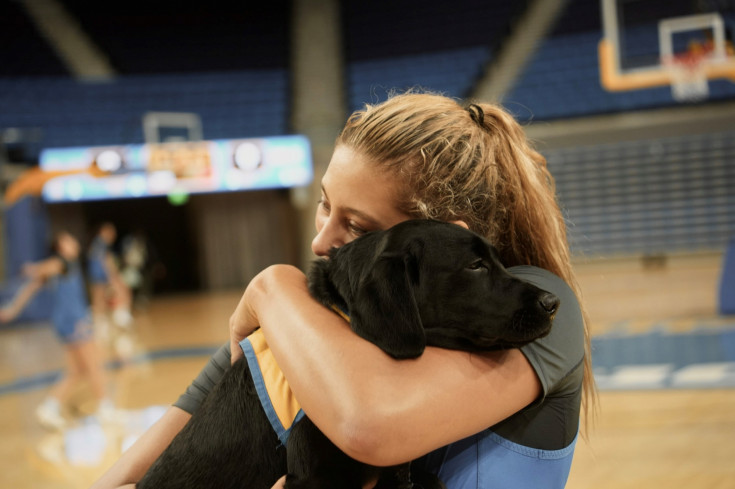
Pathology Art Collective
Our Pathology Art Collective showcases the creativity of the members of our Department. We are now accepting submissions to be displayed and featured here, which may include paintings, drawings, photography, poems, etc. If your creativity involves home improvement projects, cooking, gardening, sewing, theater, musical performance etc., please feel free to submit photos. Please send your submissions to Anastasia (agustafson@mednet.ucla.edu).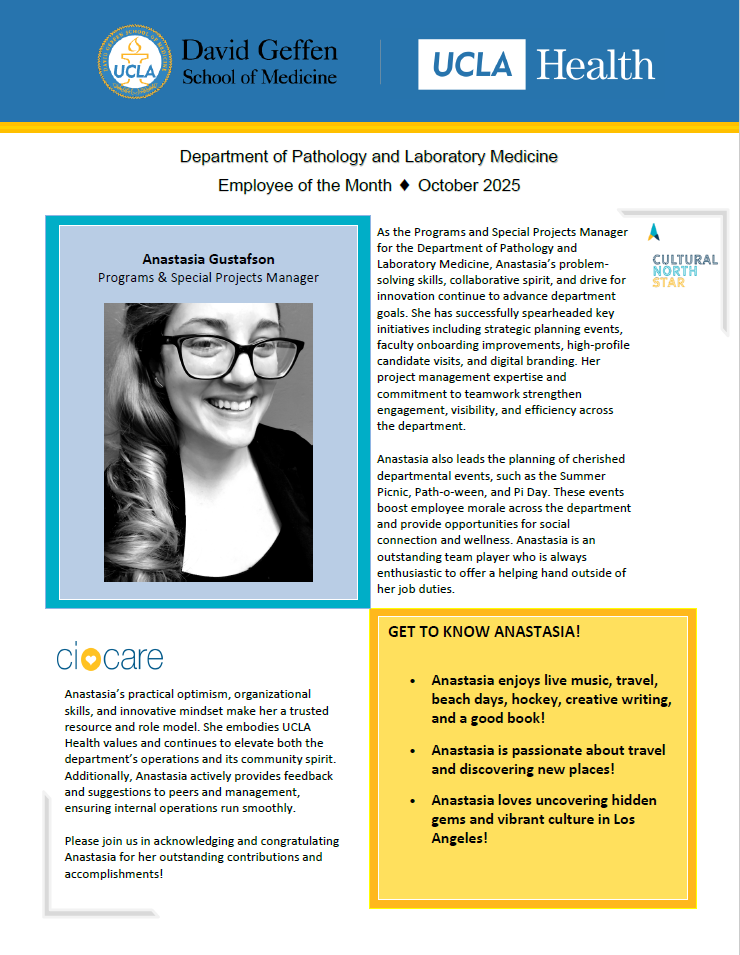
Quality M&M
"A Transfusion Medicine Near Miss"
Clinical Seminar Series – Topic: Microbiology
Dan Milner, MD, MSc(Epi), MBA
Chief of Pathology
Olive View-UCLA Medical Center
"Pathology Capacity in Global Health"


