APRIL 2024
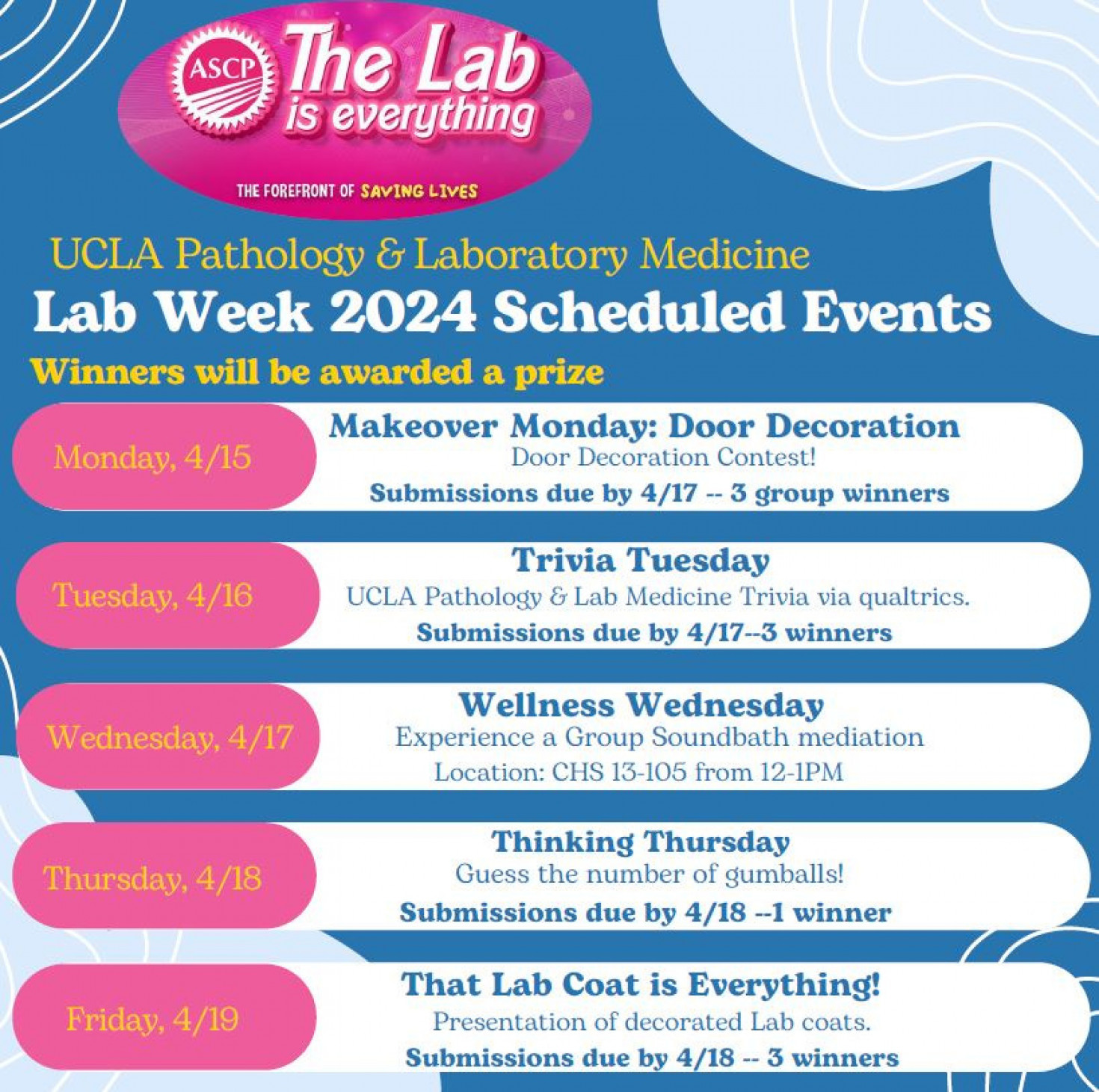
LAB WEEK
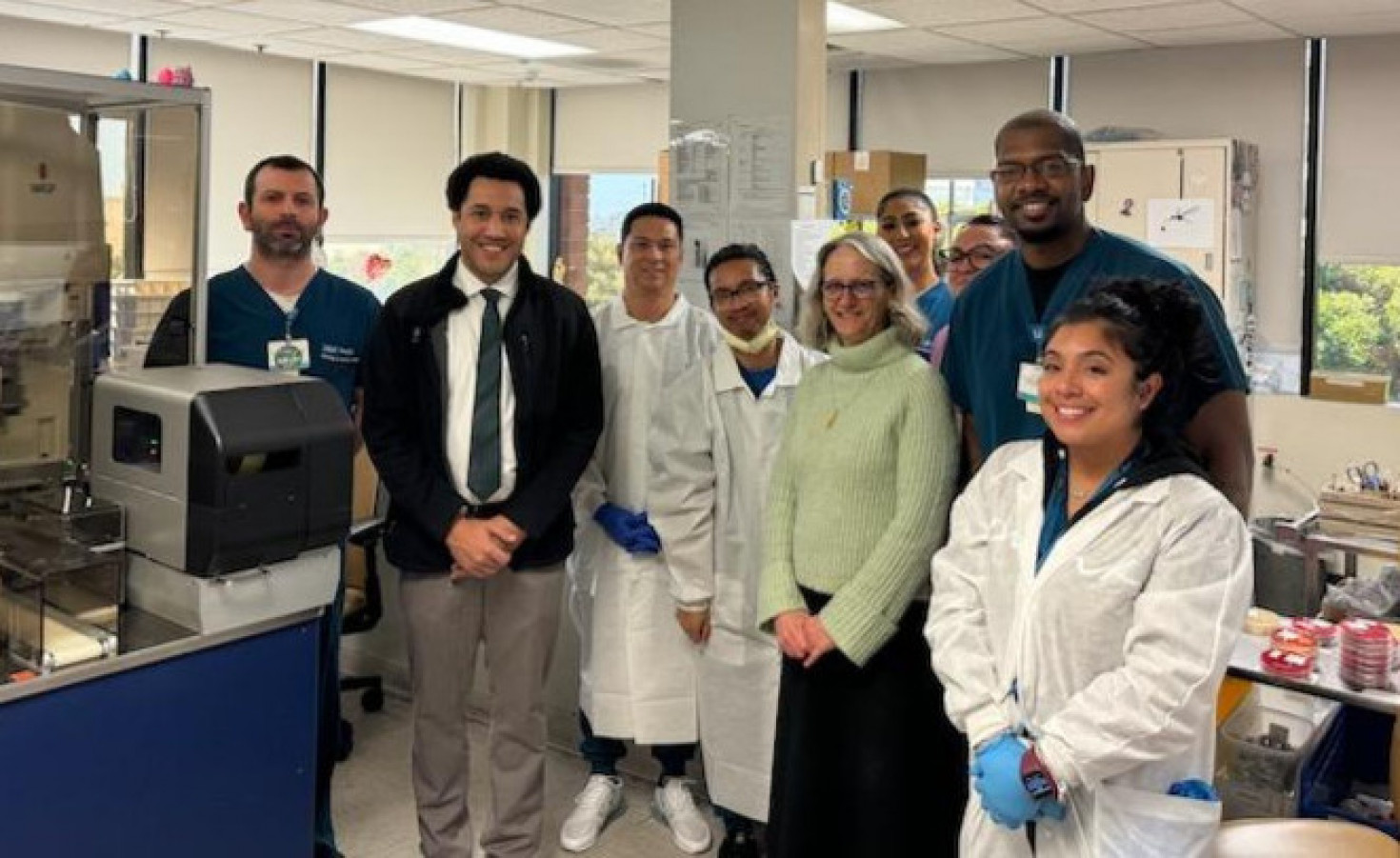
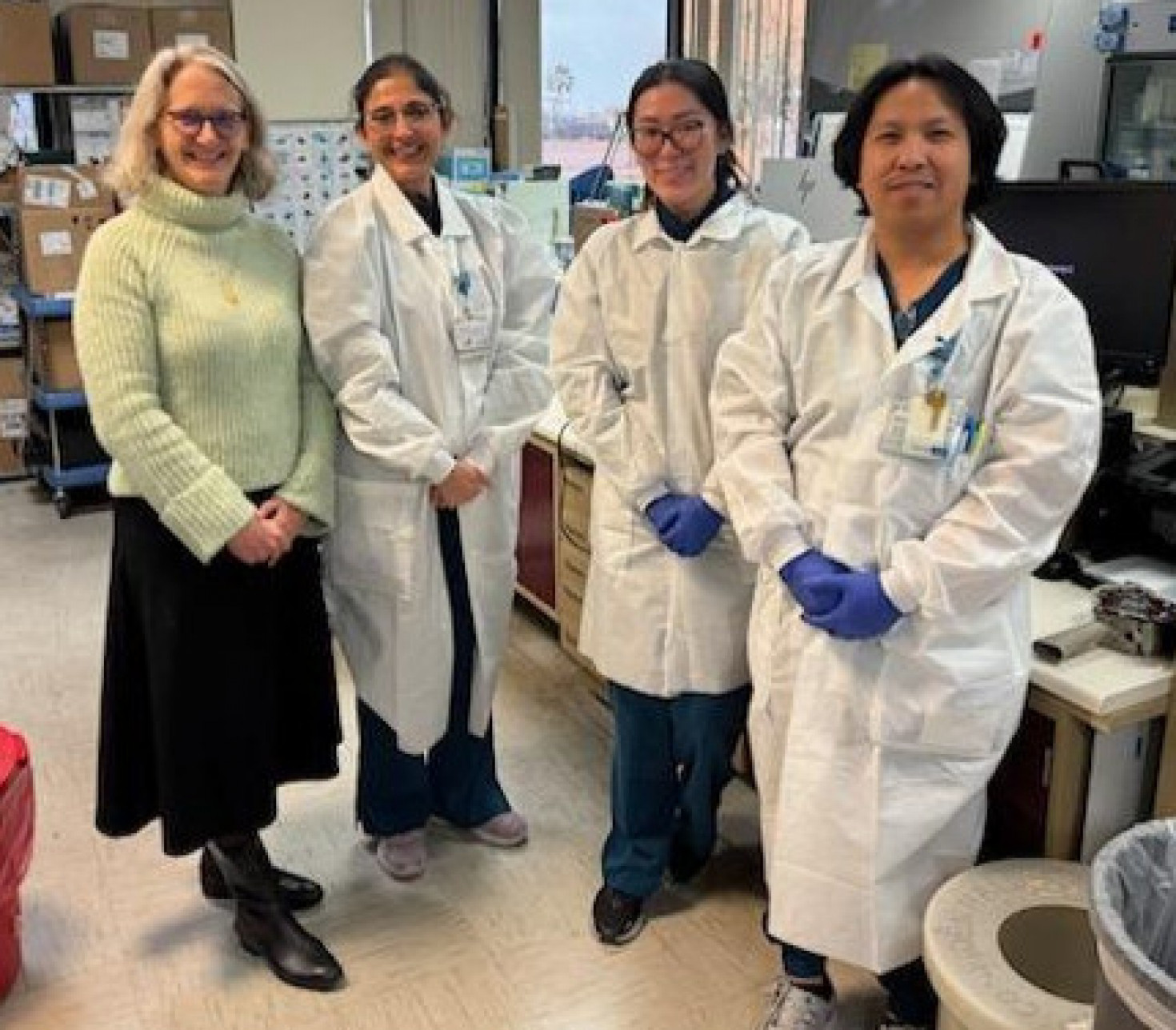
- Introduction of new Hepatitis testing capabilities on Roche Cobas platform
- Adding SPEP & UPEP testing to the test menu on the Sebia instruments
- Successful planning, move and opening of new draw station in Toluca Lake in under 45 days
- Migration of Hemoglobin A1c testing to our Roche Cobas line to capitalize on front-end automation and reduce instrument footprint
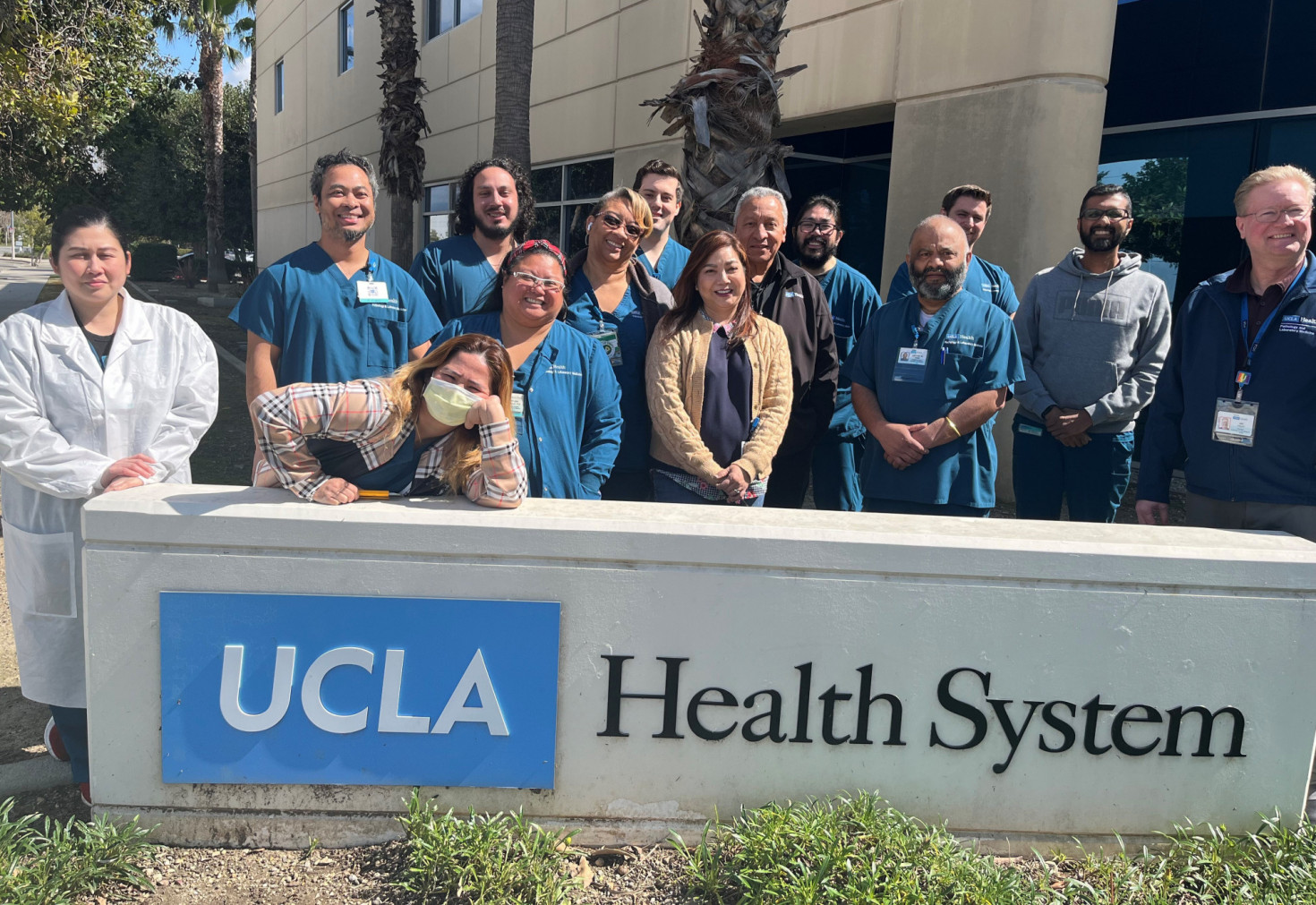
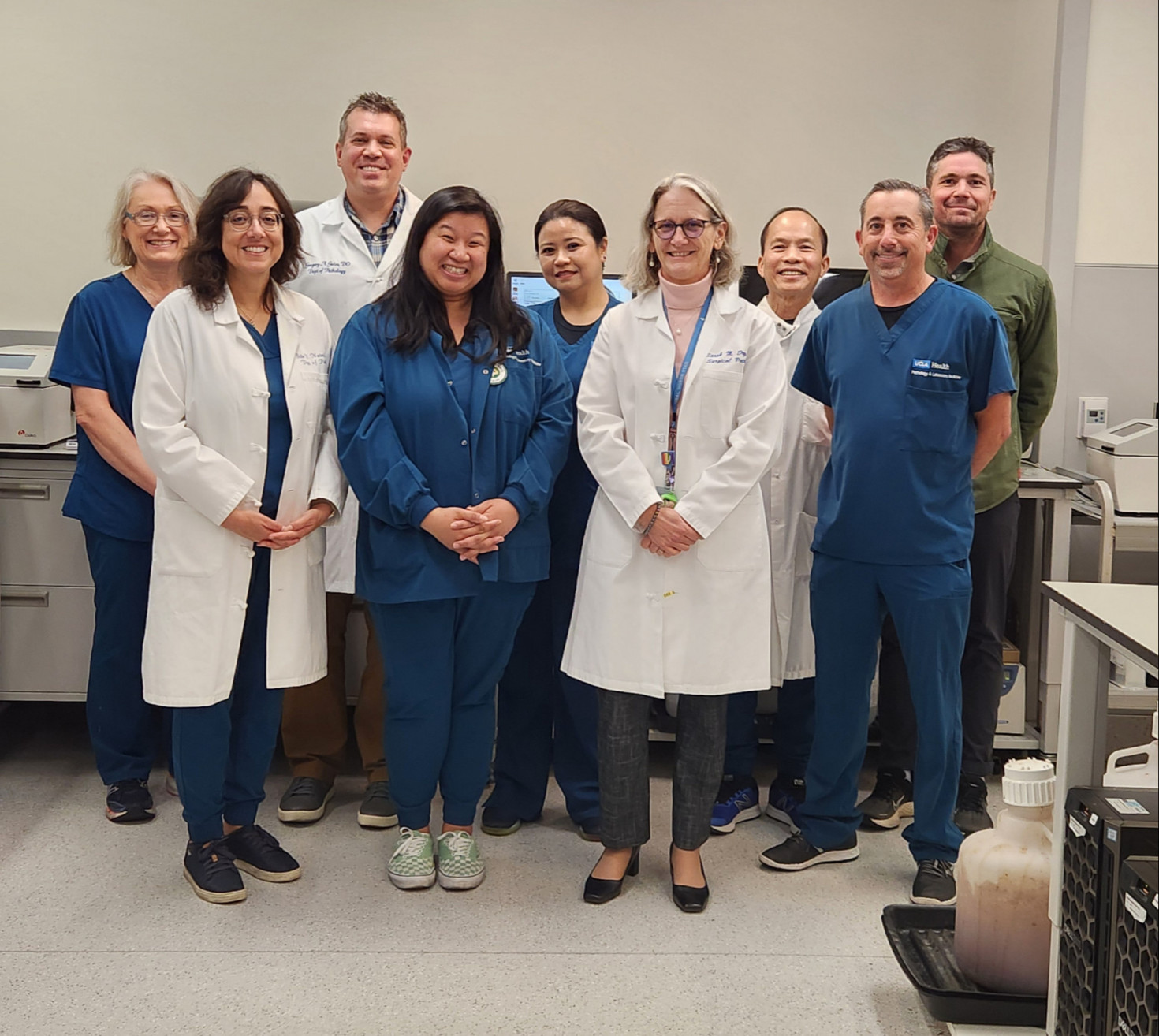
Front row (left to right): Ciara Stewart, Beth Castillo, Mary-Ann Arquillo, Cris Alcantara
Second row (left to right):Joy Soliven, Stacie McConnell, Gary Nunez, Asutosh Shah, Jim Foley
Back row (left to right): Joseph Menendez, Noah Ramirez, Ruffino Trovella, Scott Forsythe, Richard Jurie
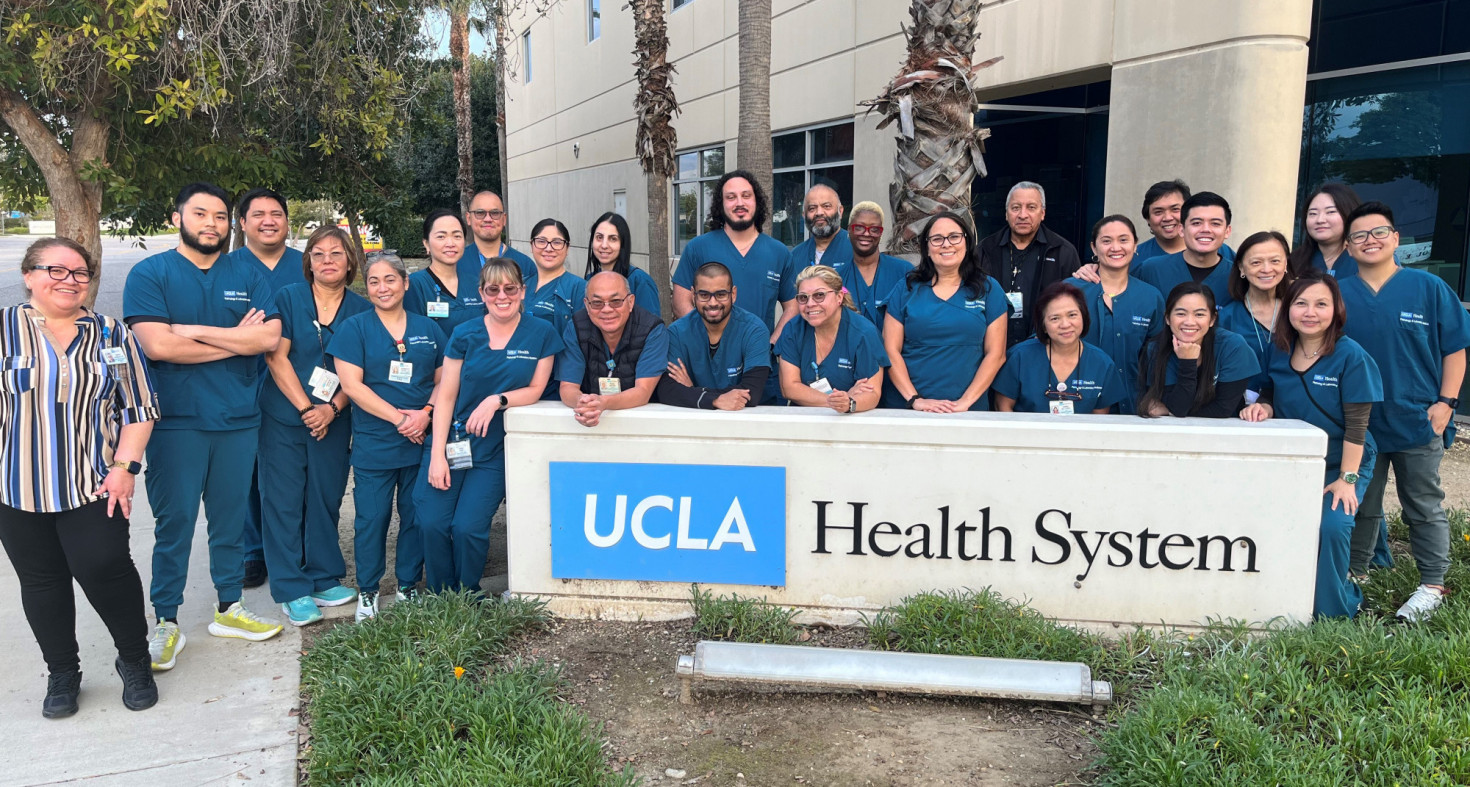
Front row (left to right): America Rodriguez, Justin Palomo, Teresita Tan-Bueno, Bernadette Castro, Sarah Jones, Frank Nguyen, Kazi Rahman, Guillermina Gama, Marina Schneider, Marina Dela Rosa, Precious Cawed, Corazon Gonzalez
Back row (left to right): John Jimenez, Jocelyn Salazar, Kevin Villano, Elizabeth Monreal, Katherine Nehme, Joseph Menendez, Asutosh Shah, Calandra Robinson, Aiza Gotidoc, Gary Nunez, Aldrin Bigay, Veence Aparante, Amelia Ludovico, Susana Kim, Josh Aliping
The Pathology and Laboratory Medicine Client Services Team serves as the central point of contact for any laboratory questions and issues from our ambulatory and outreach physicians, clinic staff, and patients. They address issues with sample collection, reaching out to offices as needed to resolve problems and to collect missing information. Additionally, the client services team assists our faculty by managing requests for testing and ensuring the timely delivery of slides and specimens. They also oversee specimen routing and coordinate all courier services. The recently implemented Client Response Module aids in monitoring issues across all clients, enabling the resolution of recurring issues.
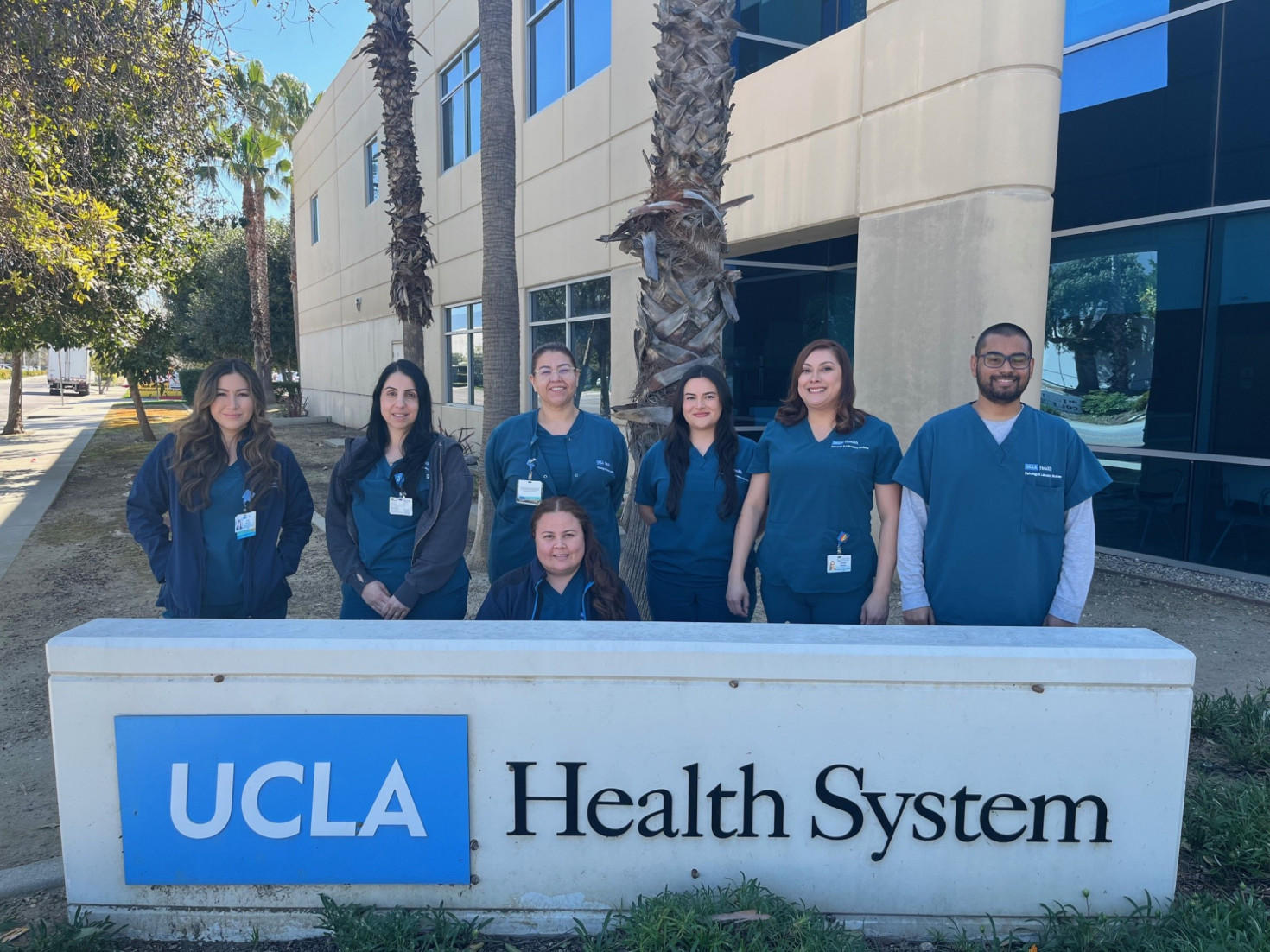
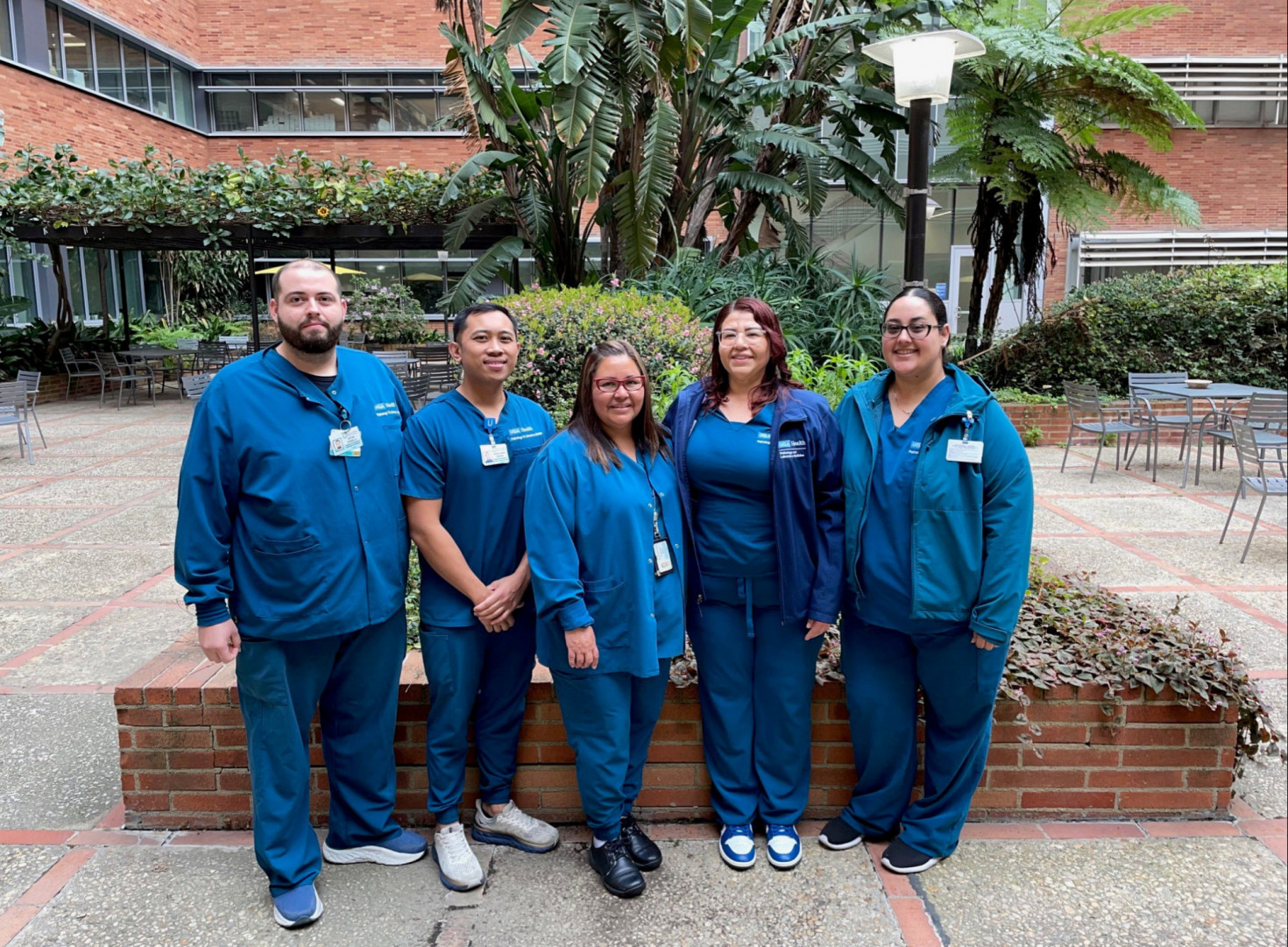
Anatomic Pathology (AP) is a vital part of the study and treatment of disease, and is a vast field comprised of decedent pathology, surgical pathology, cytopathology, neuropathology and ophthalmic pathology. Surgical pathology is closely affiliated with the clinical and surgical departments as well as all the surgical specialties, internal medicine, dermatology, neurology, radiology, radiation therapy, and medical oncology. Surgical pathology is the basis for diagnosis either intra-operatively or following surgery, and the surgical pathologist is called to advise the clinician about the correct diagnosis, appropriate therapy and prognosis. Our CHS building houses multiple AP Labs and teams, including Surgical Pathology, Bone Marrow and Flow Cytometry, Cytology, Histology, Immunohistochemistry (IHC), Molecular Diagnostics Laboratories (MDL), and the Electron Microscopy (EM) Lab.
This year’s accomplishments include:
- Surgical Pathology – merger of Outreach and hospital operations under Jennifer Filipek and Jessica Jones
- Bone Marrow and Flow Cytometry – 10-color/12-parameter platform go-live
- Molecular Diagnostics Laboratories (MDL) – new MDL tests live – Pan-Cancer Solid Tumor Panel, Pan-Cancer Solid Tumor Fusion Panel, Expanded Hematologic Malignancy Panel, EGFR Mutation Detection
- Electron Microscopy Lab (EM) – New EM scope purchased and installed – go live August 2023
UCLA Olympic Analytical Laboratory (OAL)
The UCLA Olympic Analytical Laboratory (OAL) is one of the world’s largest World Anti-Doping Agency (WADA) accredited sports drug-testing facilities. As one of the leading institutions in the field of athletic antidoping, OAL is one of two laboratories in the U.S. accredited by WADA. The laboratory analyzes an estimated 40,000 urine specimens per year for traces of banned substances intended to give athletes an unfair edge in competition. The lab performs drug testing for national and international sports organizations, including the National Collegiate Athletics Association (NCAA), National Football League (NFL), Major League Baseball (MLB), the United States Anti-Doping Agency (USADA) and has provided testing services for major sporting events such as the 1994 World Soccer Cup and three Olympic Games.
UCLA OAL has been a leader in research activities directed towards enhancing methods to detect doping in sports. UCLA OAL has contributed to the findings of techniques and substances that currently influence the fight against doping in sports:
- In 1990 UCLA OAL and others conducted research that resulted in the development of a gas chromatography-combustion-isotope ratio mass spectrometry (IRMS) method to detect exogenous testosterone administration. Adaptations of this technique are currently utilized to detect a variety of steroids in urine specimens.
- In 2000 the laboratory identified trace-contamination of an over-the-counter supplement with an anabolic steroid and demonstrated the amount present could result in positive urine test results.
- In 2002 the laboratory identified norbolethone, a steroid that had never been marketed, in an athlete’s urine.
- In 2004 the laboratory published its findings regarding the isolation of tetrahydrogestrinone (THG), a steroid previously unknown in literature.
- In 2009 the laboratory became one of the first among WADA-laboratories to transition to high-throughput testing utilizing 96-well plate format demonstrating that such an approach remained both robust and highly-sensitive.
- In 2018 the laboratory published findings on low-dose ethanol administration effect on the urinary testosterone to epitestosterone ratio by GC-MS/MS as well as urine reference intervals for human chorionic gonadotrophin utilizing a LC-MS/MS based approach.
- In 2019 the laboratory published it findings on the urinary concentration of the AMPK-activator AICAR in an athlete population as well as the utility of isotopically labeled boldenone as a quality control marker for efficiency of chemical derivative formation.
- In 2021 the laboratory published methodology allowing assessment of urinary cobalt by LC-MS/MS technology available in house to all WADA-accredited laboratories where previously such analysis required ICP-MS.
- In 2023 the laboratory published its findings concerning first time detection of the unapproved selective androgen receptor modulator YK-11 in an athlete’s urine.
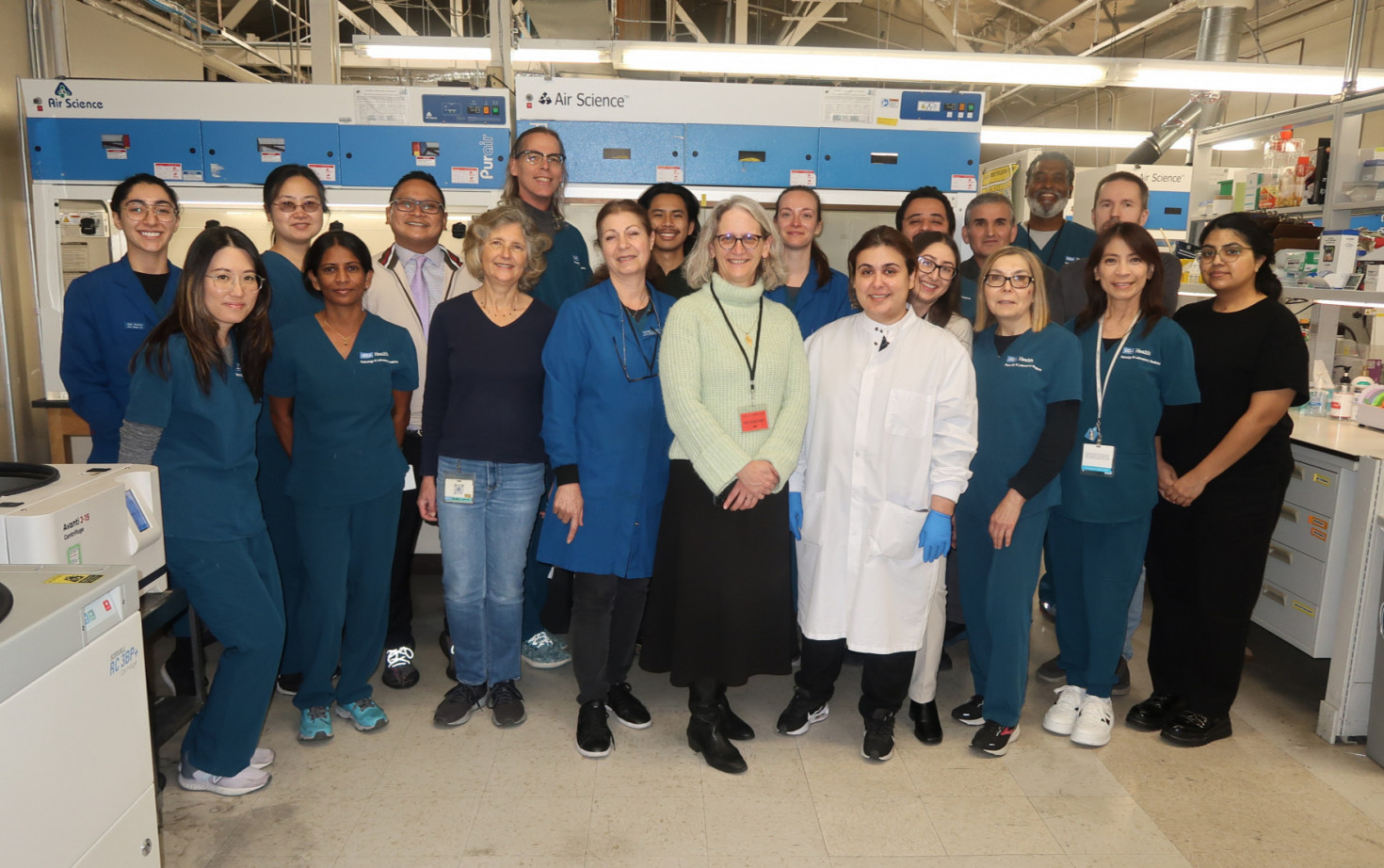
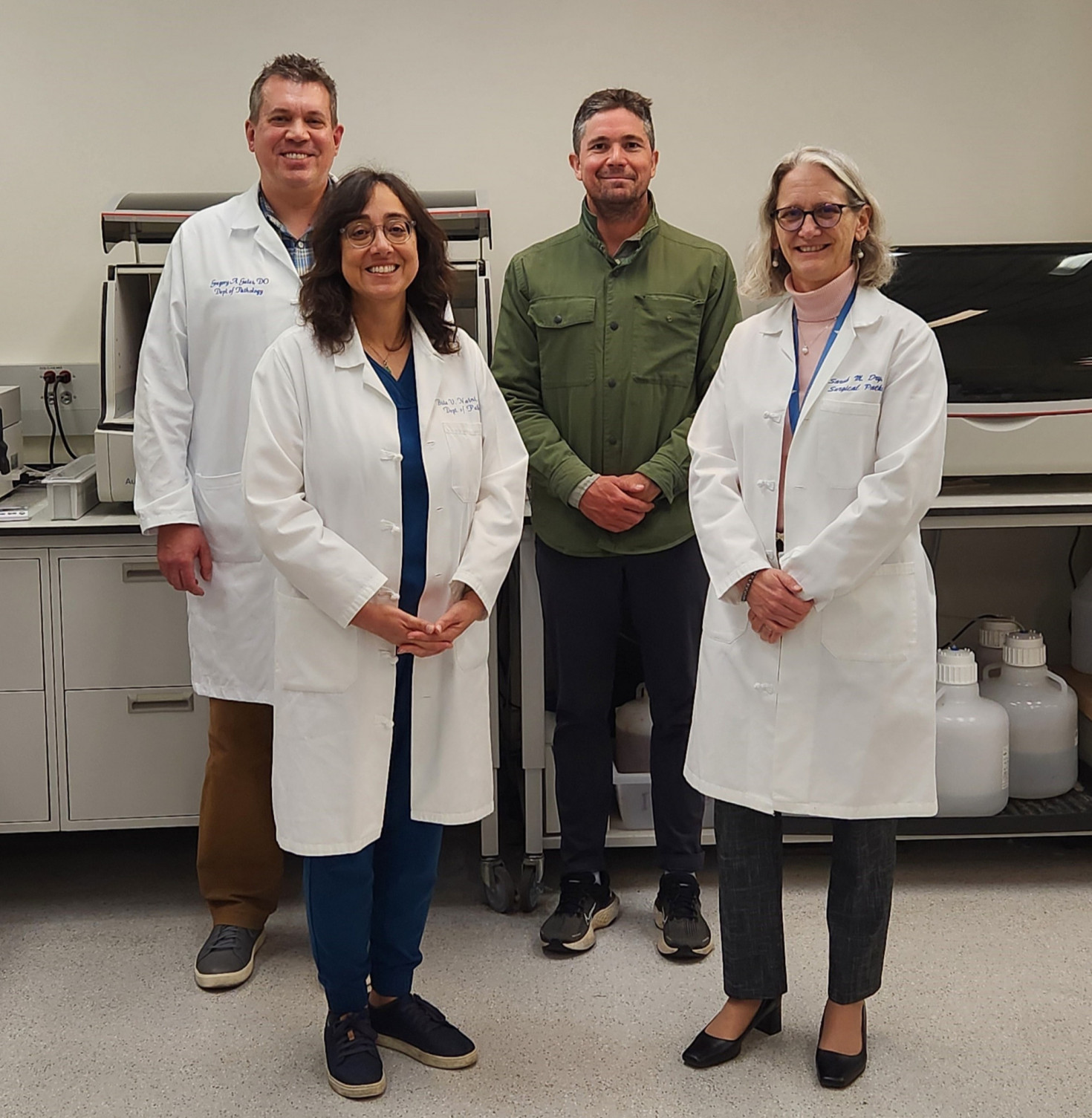
Back row (left to right): Elise Parsaee, Yan Xu, Ronald Gonzalez, Brian Ahrens, Francis Regacho, Samantha Adams, Mustafa Cittan, Nurali Avliyakulov, Brian Bishop, Timofei Sobolevskii
Front row (left to right): Shirley Taam, Monika Abeywardena, Yulia Kucherova, Fereshteh Delshad, Dr. Dry, Roya Kashanpour, Christina Zaragoza, Tatiana Sergeeva, Lorna Reyes, Maria Gomez
Cytogenetics
Cytogenetics is the study of the structure, function and evolution of chromosomes. Chromosomal aberrations are hallmarks of different types of cancers and genetic conditions. The UCLA Cytogenetics Laboratory is a high-volume full-service operation, performing chromosomal studies for constitutional (prenatal and postnatal) and cancer (hematological neoplasms and solid tumors) indications on a variety of sample types such as, amniotic fluid, chorionic villus, blood, bone marrow, and tissue. The laboratory test menu has an extensive offering of FISH probes, karyotype studies, and chromosomal microarray analyses. The UCLA Cytogenetics Laboratory is also approved to perform cytogenetic testing for the California Prenatal Diagnosis Center and Children’s Oncology Group.
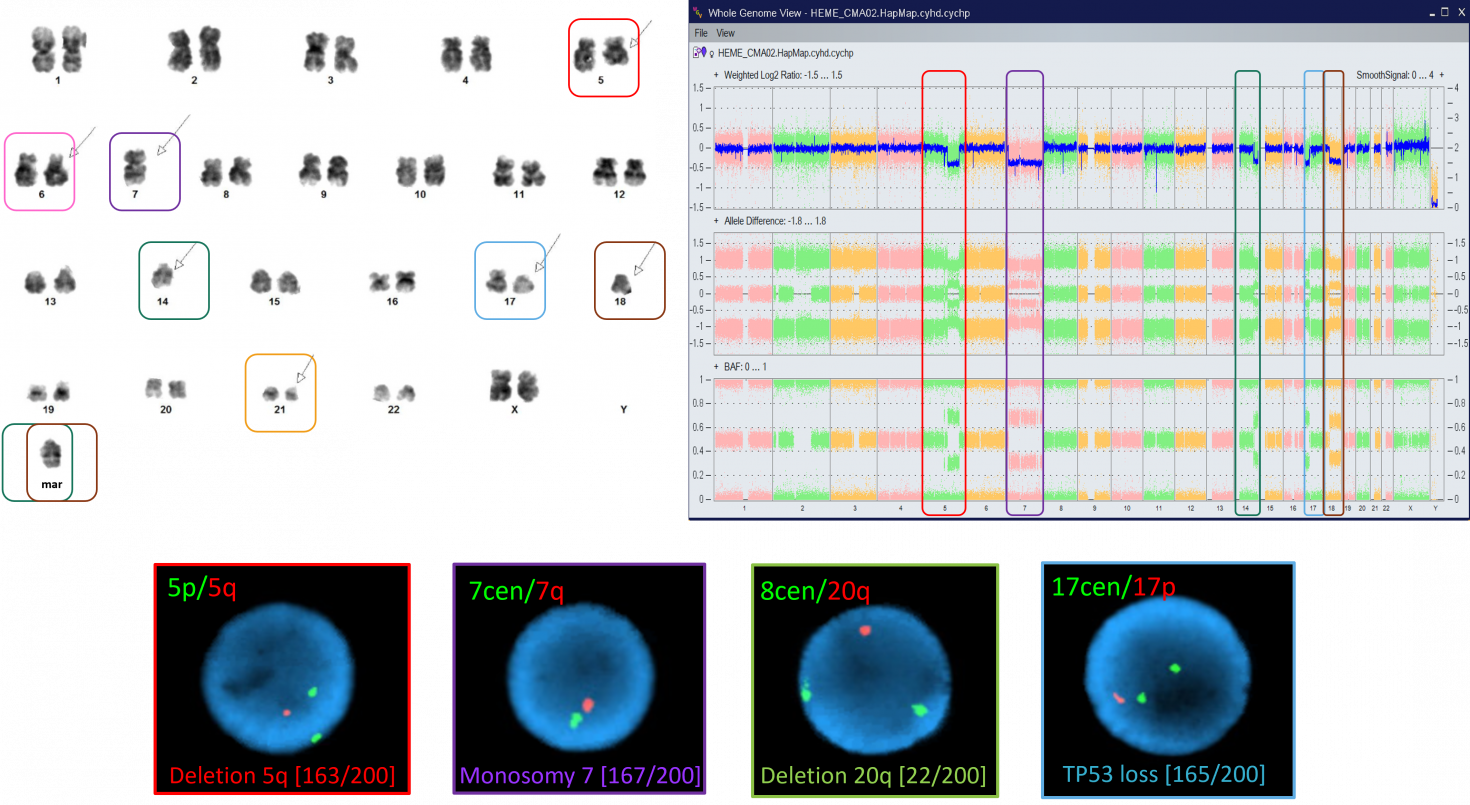
In the past year, significant advancements and activities were undertaken in the UCLA Cytogenetics Lab.
New Tests and Process Improvements
-
CDKN2A (9p21) FISH probe validation for B-ALL
-
Tri-color IGH/MYC/CEP8 FISH probe validation for copy number assessment for hematologic malignancies
-
Validation of EDTA collection containers for CD138 enrichment for plasma cell neoplasms. Automated the Urovysion FISH Beaker workflow to enhance efficiency and improve resulting quality assurance.
-
CytoLink karyotype analysis software integration with Beaker LIS to streamline laboratory operations and improve workflow coordination and efficiency between the 2 systems. Go-Live March 2024
Personnel
The Cytogenetics team includes technicians, licensed laboratory professionals, LGG (Laboratory Genetics and Genomics) fellows and ABMGG board certified laboratory directors. The lab expanded its team with the recruitment of Dr. Alden Huang as a new faculty member. Dr. Huang brings valuable expertise to the lab, contributing to its research, teaching and diagnostic capabilities. Additionally, the lab welcomed two Clinical Cytogenetics Specialist (CCS) trainees and one new LGG fellow fostering the growth of emerging professionals in the field. These developments underscore the lab's commitment to staying at the forefront of cytogenetic research and diagnostic excellence.
In addition to clinical work, Cytogenetics faculty and trainees actively participate in teaching, research, and committee service for local, national, and international organizations.
- In the past year, members of the Cytogenetics team co-authored 6 peer-reviewed papers including one in collaboration with Don Kohn’s lab published in Cell that included staff participation.
- McAuley GE, Yiu G, Chang PC, Newby GA, Campo-Fernandez B, Fitz-Gibbon ST, Wu X, Kang SL, Garibay A, Butler J, Christian V, Wong RL, Everette KA, Azzun A, Gelfer H, Seet CS, Narendran A, Murguia-Favela L, Romero Z, Wright N, Liu DR, Crooks GM, Kohn DB. Human T cell generation is restored in CD3δ severe combined immunodeficiency through adenine base editing. Cell. 2023 Mar 15:S0092-8674(23)00170-8. PMID: 36944331.
- First year LGG fellow, Saeideh Torabi Dalivandan, will give a platform presentation on a laboratory project at the 2024 American Cytogenomics Conference in June 2024.
- Saeideh Torabi Dalivandan, Fumin Lin, T. Niroshi Senaratne, Alden Huang, Valerie A. Arboleda, Sung-Hae L. Kang. Atypical MCC and microarray results from multiple gestation pregnancies. Accepted (Platform) American Cytogenomics Consortium 2024.
- Dr. Fumin Lin (Associate Director of Cytogenetics) is a 2023 departmental Translational Research Fund grant recipient to study: “Characterizing 21q amplification as the sole chromosomal aberration in a de novo AML patient”.
Santa Monica Clinical Laboratory
Santa Monica Clinical Laboratory is comprised of the inpatient clinical lab and the outpatient draw station. Our outpatient draw station offers world-class laboratory services with outstanding customer care. Our services include onsite blood draw, specimen collection, and specimen drop-offs. Our draw station serviced 40,657 patients in 2023! The inpatient clinical lab provides a wide range of laboratory services with advanced technologies that aid clinicians in diagnosing, treating, and monitoring diseases.
We offer our staff a unique opportunity to gain valuable experience across multiple areas of the lab. Our pre-analytical staff are highly skilled in phlebotomy, specimen processing, and operating and maintaining our Total Lab Automation (TLA) line. Our clinical lab scientists are equipped with comprehensive laboratory knowledge by rotating through different sections of the lab, including Blood Bank, Hematology, Chemistry, Coagulation, Urinalysis, limited Microbiology, Point-of-Care, and Intra-operative PTH testing. We commit to delivering high-quality patient care through all phases of laboratory testing, from pre-analytical to analytical and post-analytical, by constantly improving the way we deliver our services.
One notable improvement in 2023 was the implementation of the TLA line, which streamlines the specimen receiving and processing, reduces manual touches, and increases efficiency and productivity. In addition, our lab has brought in new fertility tests such as Follicle Stimulating Hormone (FSH), Luteinizing Hormone (LH), Estradiol, and Progesterone, which provide quicker result turnaround time and better support to the Santa Monica Fertility Clinic. Furthermore, we have also introduced HbA1C testing, an essential diagnostic tool for monitoring long-term blood sugar control in patients with diabetes. Our ultimate goal is to deliver cutting-edge technology and speedy accurate test results to assist clinicians in treating patients and alleviating suffering.
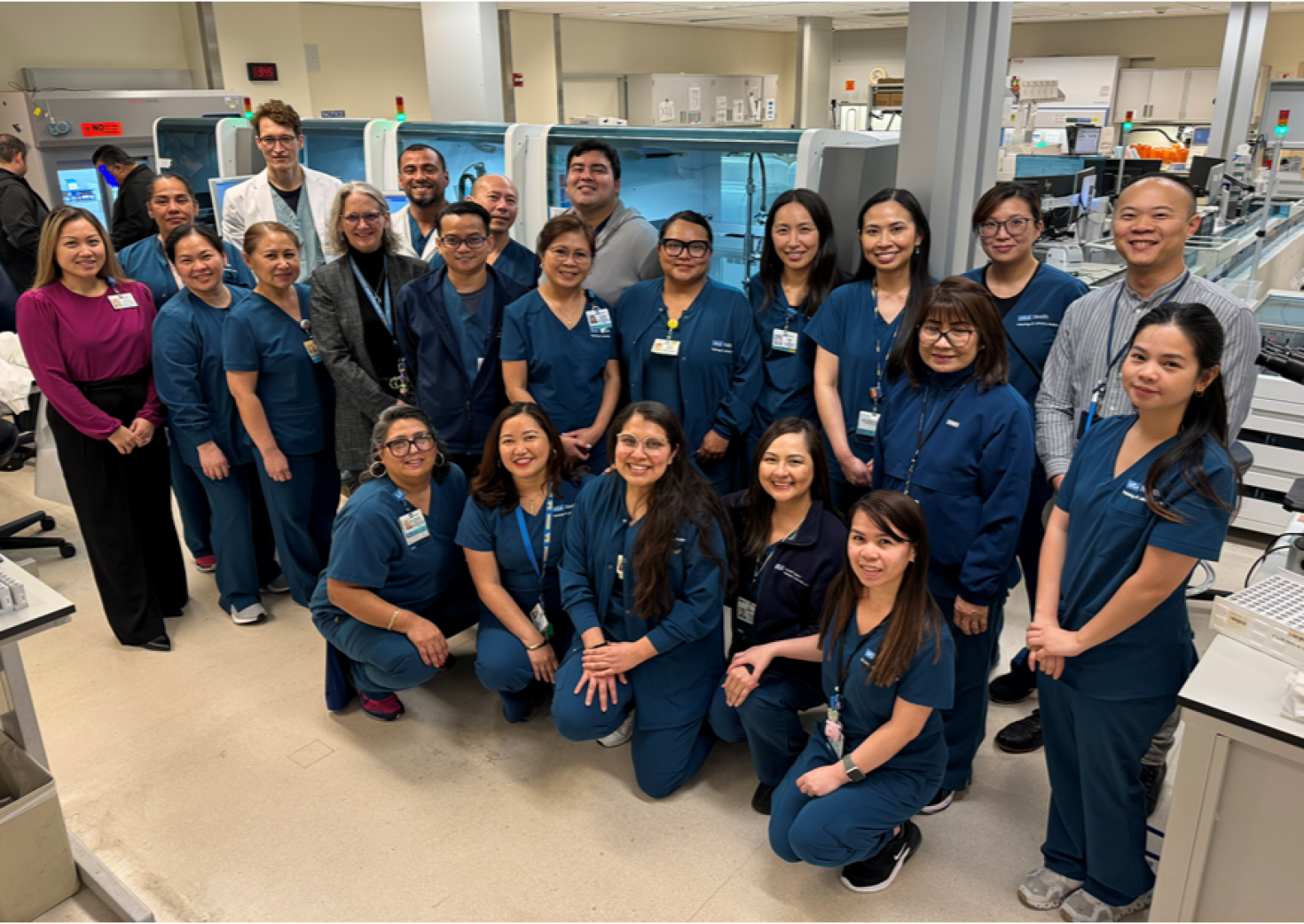
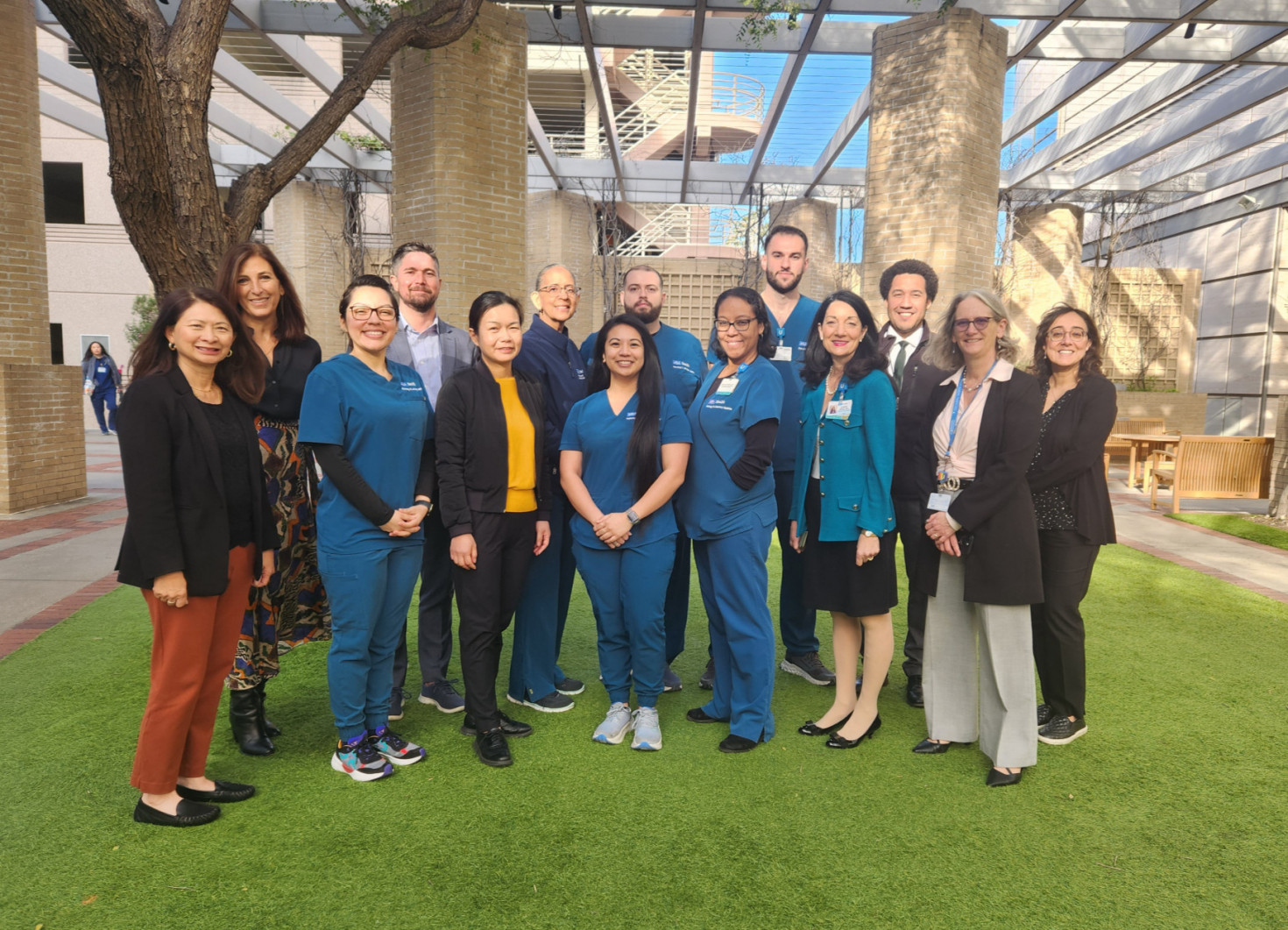
Front row (left to right): – Christina Fruga, Ana Muro, Elizabeth Reyes, Millie Zurbano, Myrene Cayanan
Second row (left to right): – Crystal Le, Mariglo Vinluan, Beng Pelina, Dr. Sarah Dry, Patrick Ravelo, Clem Madayag, Nayely Monroy, Jenny Tan, Rachel Reyes, Angie Sy, Jasmine Fung, Rovy Sutrisno, Russell Canlapan
Back row (left to right): – Diana Peraza, Dr. Steve Hart, Carlos Medina, Don Tran, Jose Nolasco
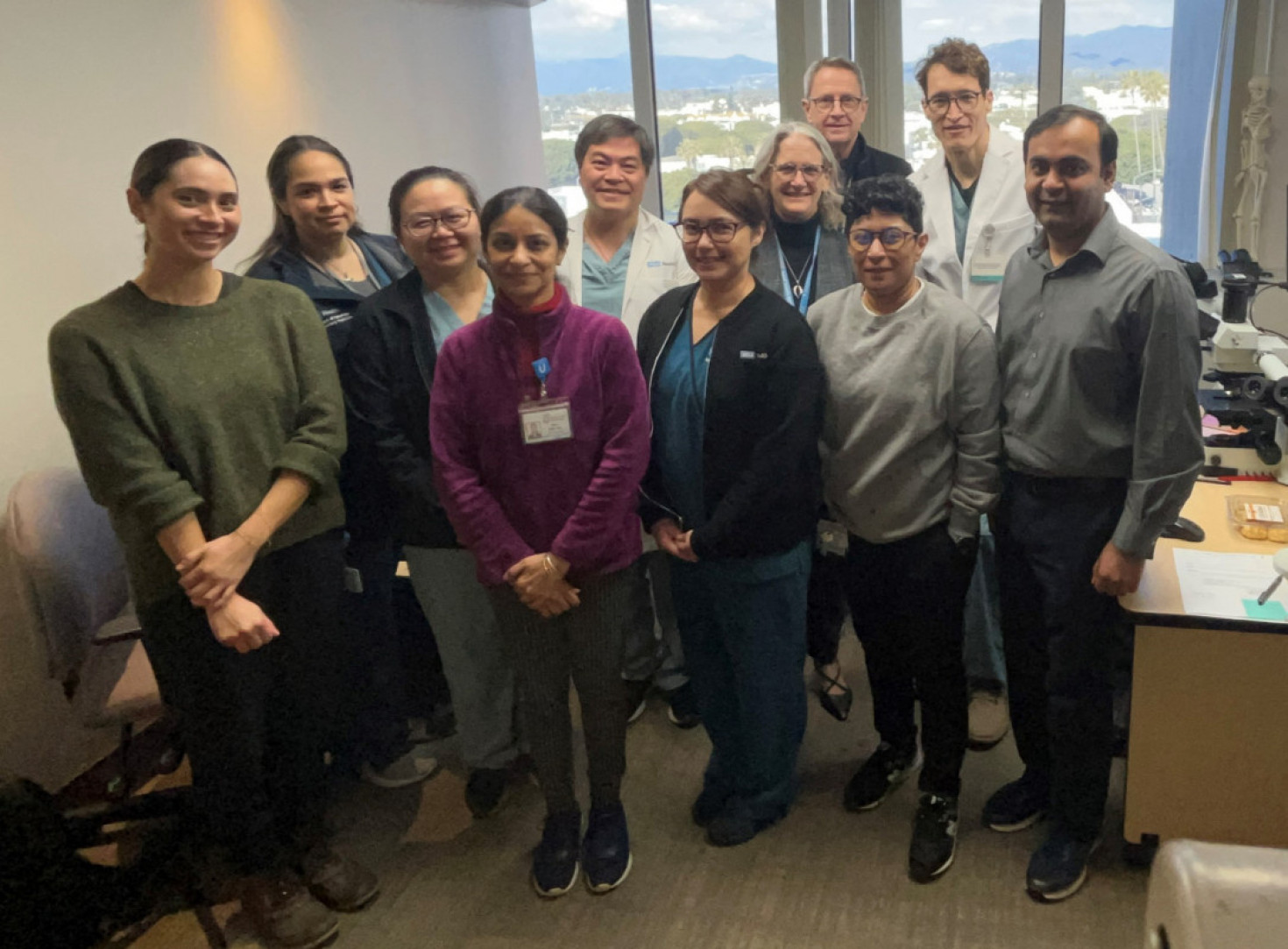
UCLA IMMUNOGENETICS CENTER (UIC)
The UCLA Immunogenetics Center (UIC) provides state of the art Histocompatibility and Immunogenetics testing for solid organ and stem cell transplantation, pre and post transplant immune assessment and testing for diagnosis of diseases with associations to the Human Leukocyte Antigens. As one of the first established laboratories in Histocompatibility and Immunogenetics, we continue to advance the field through research, clinical innovation, proficiency testing and educational training UIC provides customized testing and support services for clinical trials and clinical research to monitor response to experimental therapy.
UIC Updates:
- UIC is currently undergoing a lab renovation project to create an organized, lean workspace. This will also help to streamline workflows in the laboratory and enhance efficiencies. This project includes purchasing new lab benches, moving equipment, and purchasing new equipment.
- UIC is also in the planning phases of a construction project to remodel the restrooms and breakrooms. This will create a more open and usable space for the employees.
- The UCLA Cell Exchange program is celebrating its 50th anniversary this year! The cell exchange program offers proficiency kits that serve the HLA community both domestically (47 labs) and internationally (67 labs).
- UIC recently published the history of the UCLA Exchange programs from 1974-2024 (Q Zhang, AF Locke, A Alvarez, M Cabarong, LC Liv, B Alfaro, D Gjertson, EF Reed. Advancing Precision in Histocompatibility and Immunogenetics: A Comprehensive Review of the UCLA Exchange Program. Front Genet. 2024 Feb 1;15:1352764. doi: 10.3389/fgene.2024.1352764. eCollection 2024.PMID: 38362203)
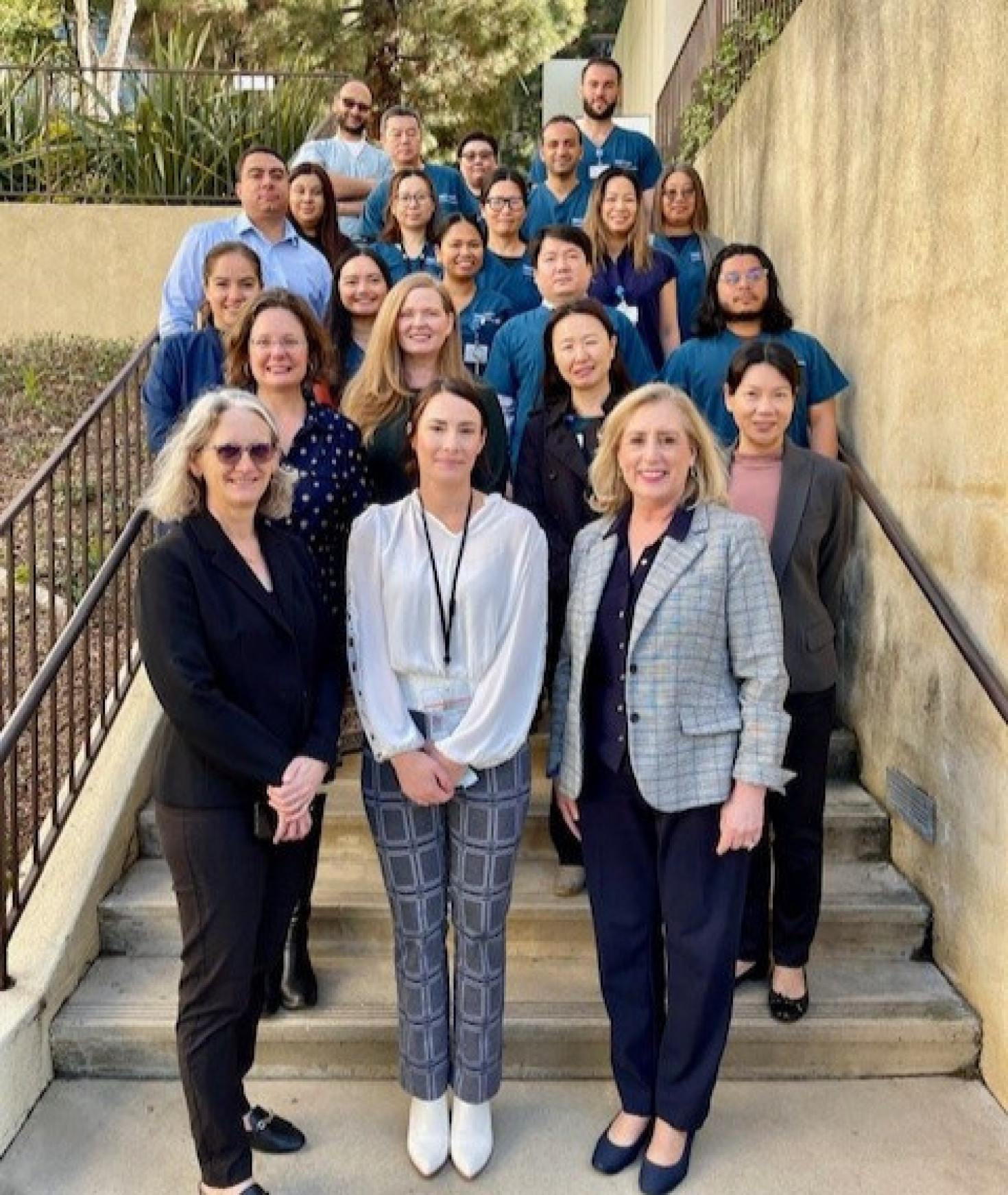
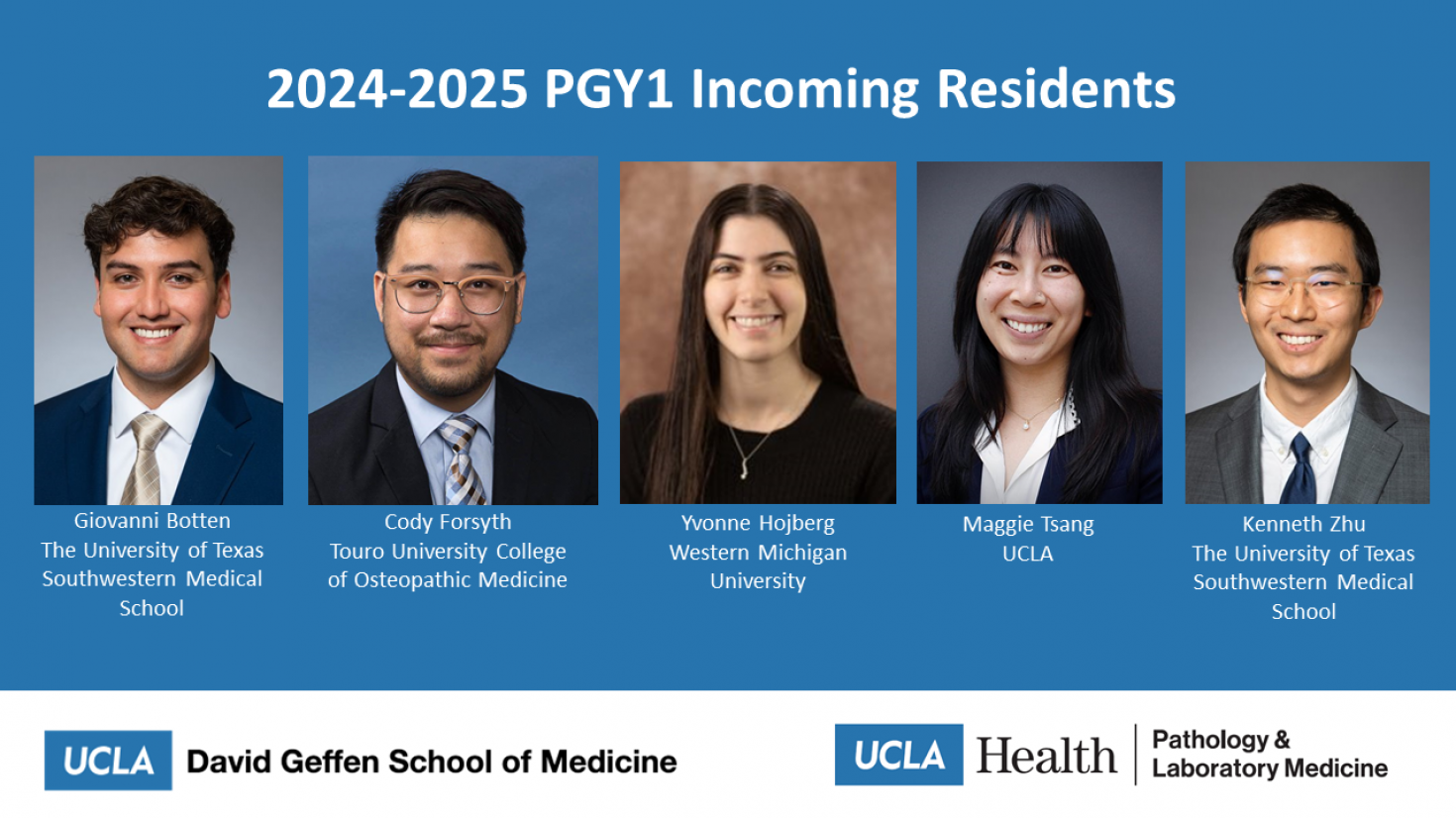
Congratulations to Distinguished Professor of Pathology and Laboratory Medicine Dr. Elaine F. Reed, Division of Immunogenetics, and UCLA Distinguished Professor of Medicine at the Vatche and Tamar Manoukian Division of Digestive Diseases Dr. Enrique Rozengurt have received a new $3.3 million grant from the National Institute of Allergy and Infectious Diseases (NIAID) to examine the intracellular mechanisms that mediate endothelial cell signaling in response to antibodies that contribute to rejection of transplanted organs.
Most current treatments to prevent transplant rejection rely on immunosuppressive drugs that are relatively unspecific. New therapeutic approaches are needed, and the identification of key targets will most likely arise from the elucidation of the molecular mechanism(s) underlying organ transplant rejection. Specifically, the new funds will support research identifying novel pathways by which donor specific HLA antibodies attack endothelial cells. The team was awarded recently a grant to examine the mechanisms by which the lipid-lowering drugs of the statin family prevent rejection of solid organ transplants.
Together, these new grants, amounting to $7 million, will support a robust research program in endothelial cell biology and transplantation medicine the results of which could be important in other fields, including counteracting cancer.
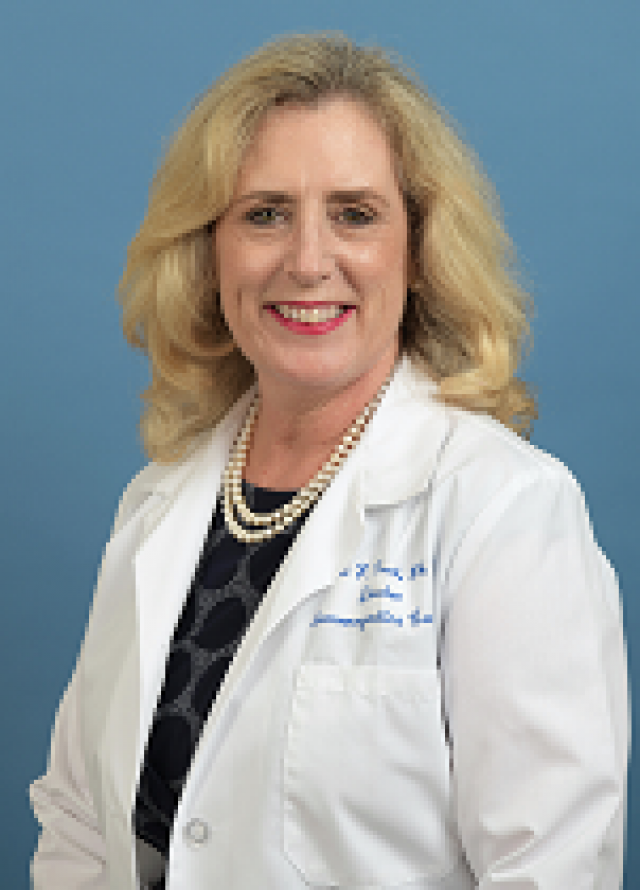
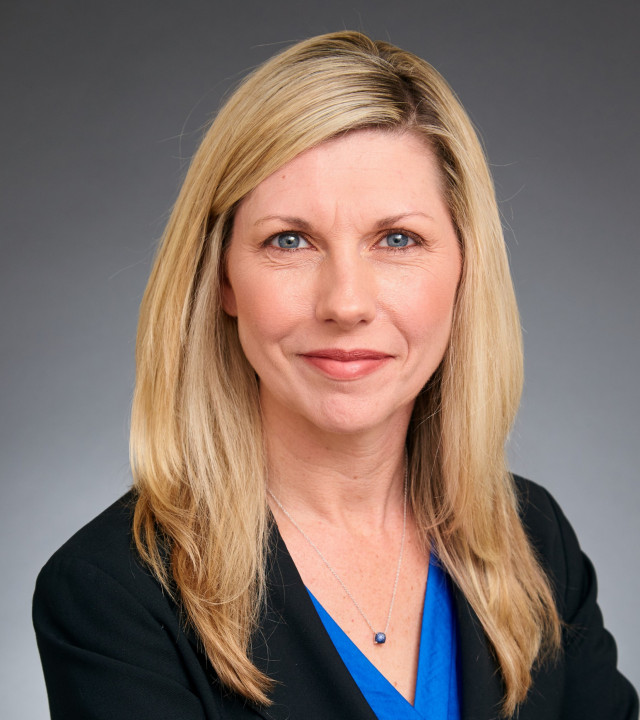
I'm delighted to announce that, following an external search process, Kelli Scott has been selected to become the permanent Chief Administrative Officer for the Department of Pathology and Laboratory Medicine, effective April 1, 2024. Following current practices, this search was conducted jointly by the Department and DGSOM.
Kelli has served as the Department’s Interim CAO since April 2023. During this time, Kelli and her team have accomplished a number of high impact initiatives across the department. Some highlights include: Improved work processes across the Department’s Business Office, improved transparency and clarity for faculty regarding all areas under her oversight and continued work on the Department’s strategic plan working with each of the strategic planning teams, the Performance Excellence team and our faculty, trainees and staff on our strategic goals of finance, data and recruitment, retention & communication.
Kelli has extensive experience in business operations, clinical operations and management in the UCLA Departments of Urology and OB/GYN. She started her UCLA career as a program manager in Urology (2003-2011), where she oversaw a state-funded program designed to improve access, counseling and treatment for low-income, uninsured men with prostate cancer. As the result of her outstanding work, she next became the Director of Business and Clinical Operations in the Department of Urology (2011-2018), where she was responsible for staff hiring/career development, marketing, revenue management, overseeing quality activities, developing/monitoring dashboards for clinical performance (ambulatory and surgical), analyzing metrics/ ensuring achievement of various goals related to finances, clinical operations, clinical trials & research, quality and patient satisfaction and she acted as the primary operations liaison between the CAO, faculty, staff, patients and other campus units. In this role, Kelli also worked on Strategic planning activities within the Department, particularly related to Ambulatory operations. Kelli next moved to become Executive Director of Operations for the Departments of Urology and OB/GYN (2018-2019) where she had similar responsibilities in both Departments. In 2019, Kelli decided to leave the workforce for a few years in order to focus on raising her two children.
Kelli received a Bachelor’s degree in Economics and Business Administration at Simon Fraser University in British Columbia and completed programs in grant writing and fundraising (through UCLA Extension) and completed the UCLA Health Leadership Academy with The Advisory Board Company.
Please join me in welcoming Kelli as our permanent CAO. She truly embodies the values of our Cultural North Star – Do What’s Right, Make Things Better and Be Kind – and we look forward to her continued leadership, collaboration and innovation.
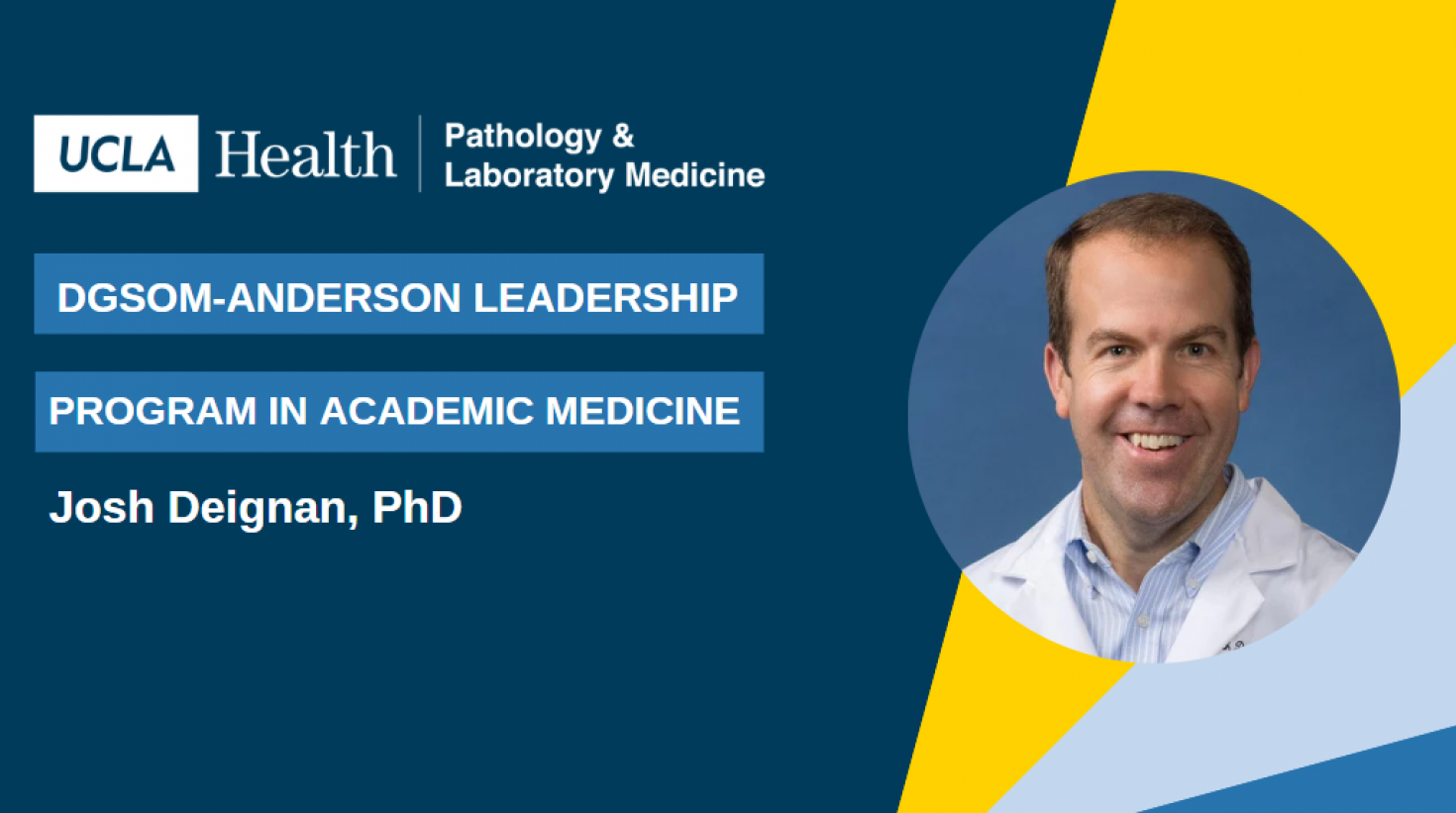
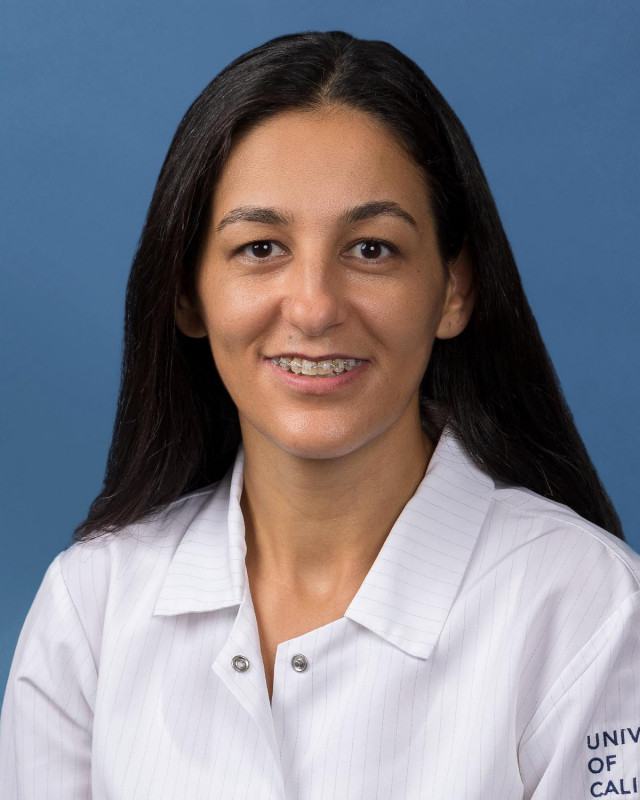
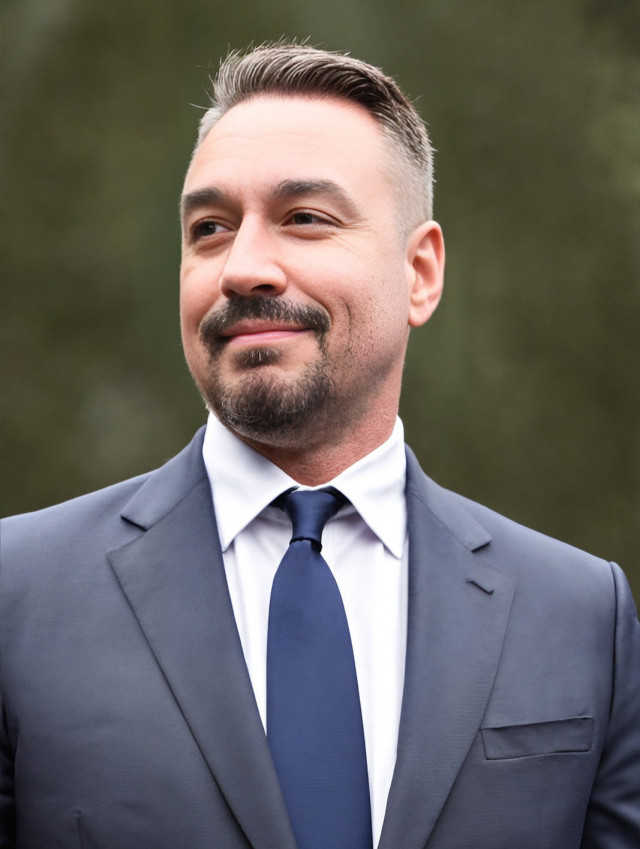
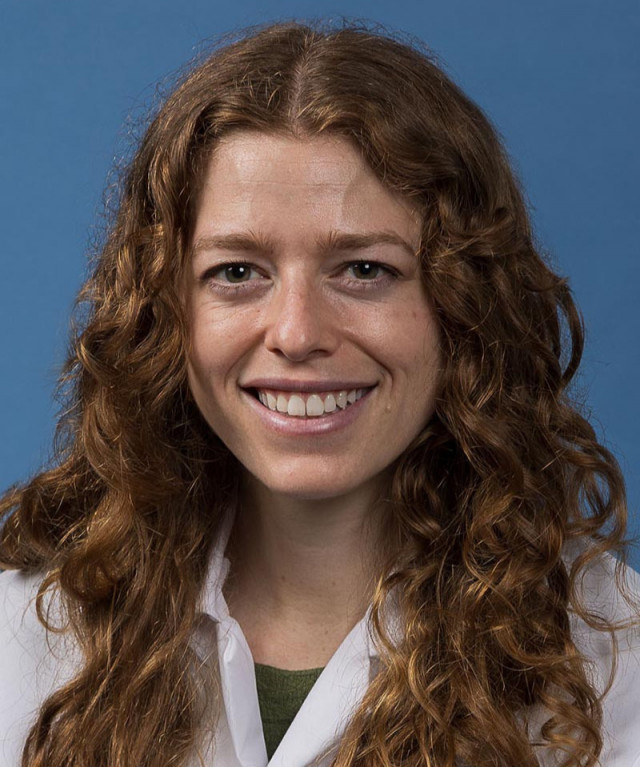
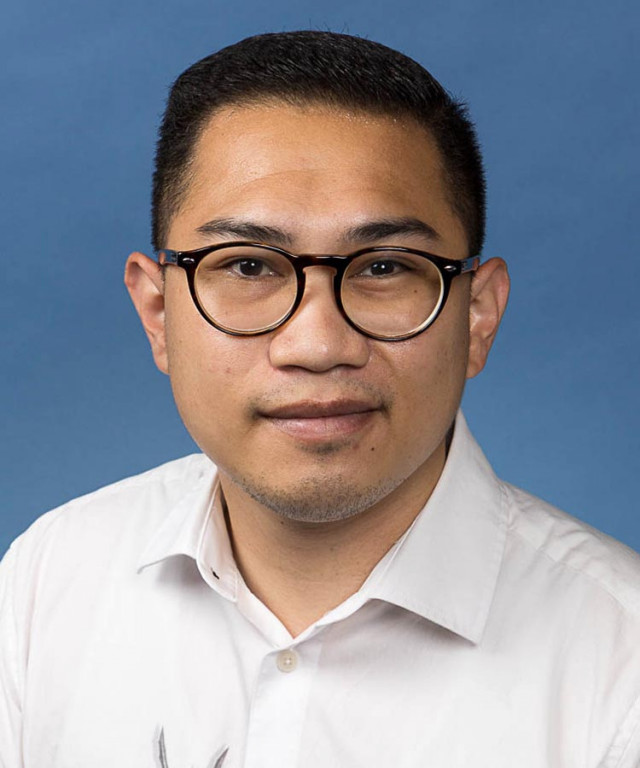
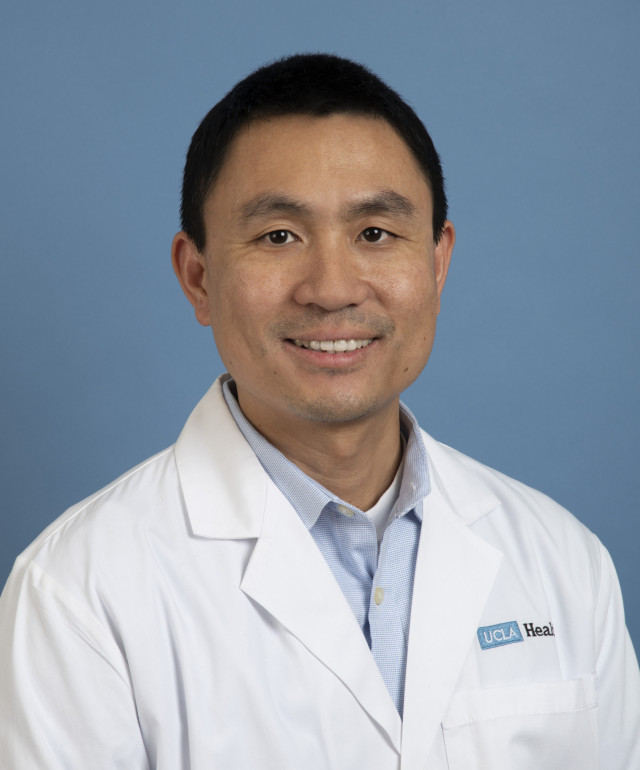

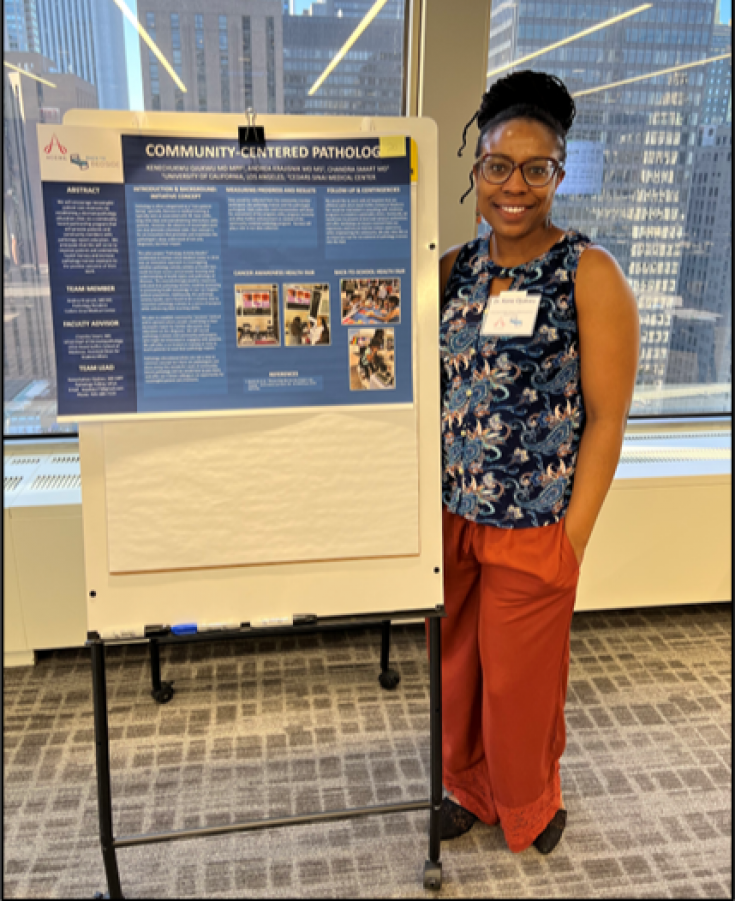
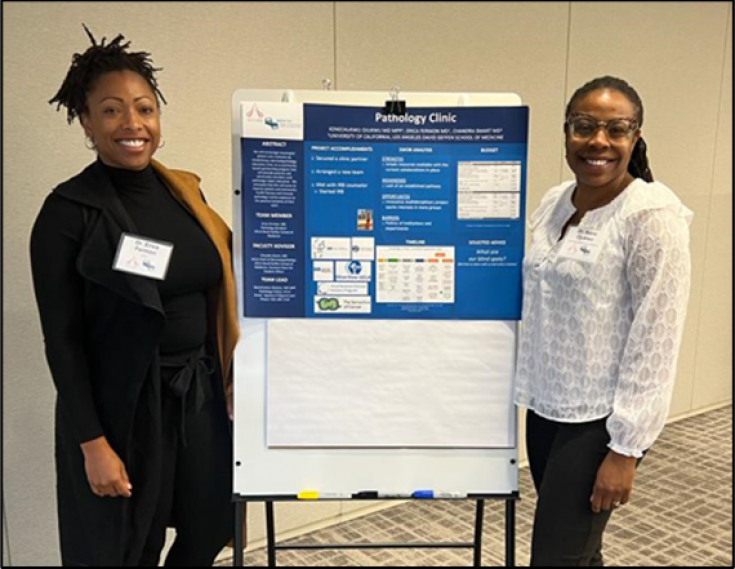
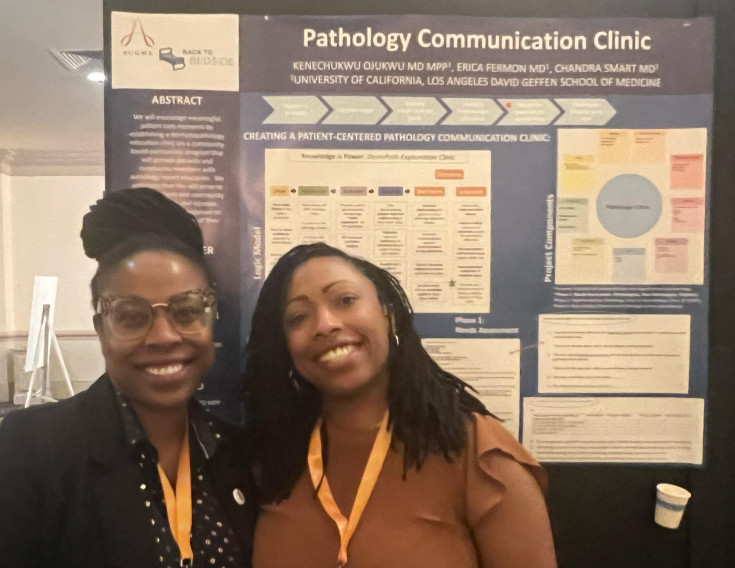
- Kenechukwu Ojukwu, MD, MPP (Team leader, Bone Soft Tissue Fellow, Health Services Research Fellow)
- Chandra Smart, MD (Mentor, Faculty member, Dermatopathology attending and Service Chief)
- Robin Dietz, MD (Faculty member, Hemopathology and general pathology attending)
- Erica Fermon, MD (Team member, Clinical Pathology Resident)
- Jamar Uzzell, MD (Team member, Dermatopathology Attending)
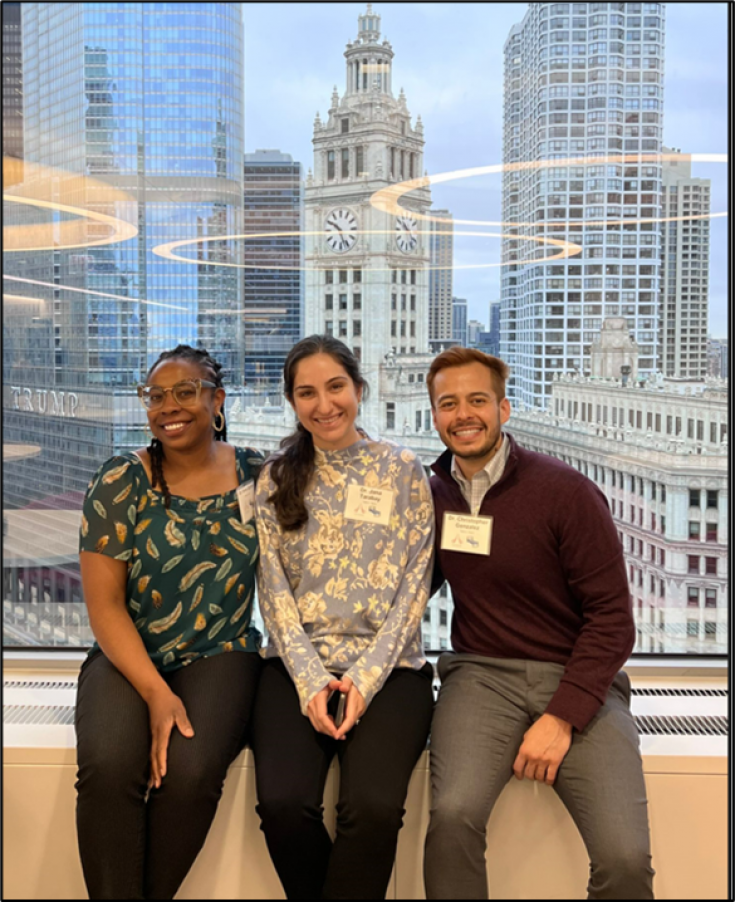
- Jana Tarabay, MD (Team member, Dermatopathology Fellow)
- Christopher Gonzalez, MS (Team member, UCLA/CDU medical student, year 2)
- Danny Rodriguez, MD (Team member, Dermatopathology Fellow)
- Erin Collier, MD (Team member, Dermatology Resident)
- Marcia Hogeling, MD (Dermatology Program Director)
- Yang Yu, MD (Dermatology Clinic Director at Olive View)
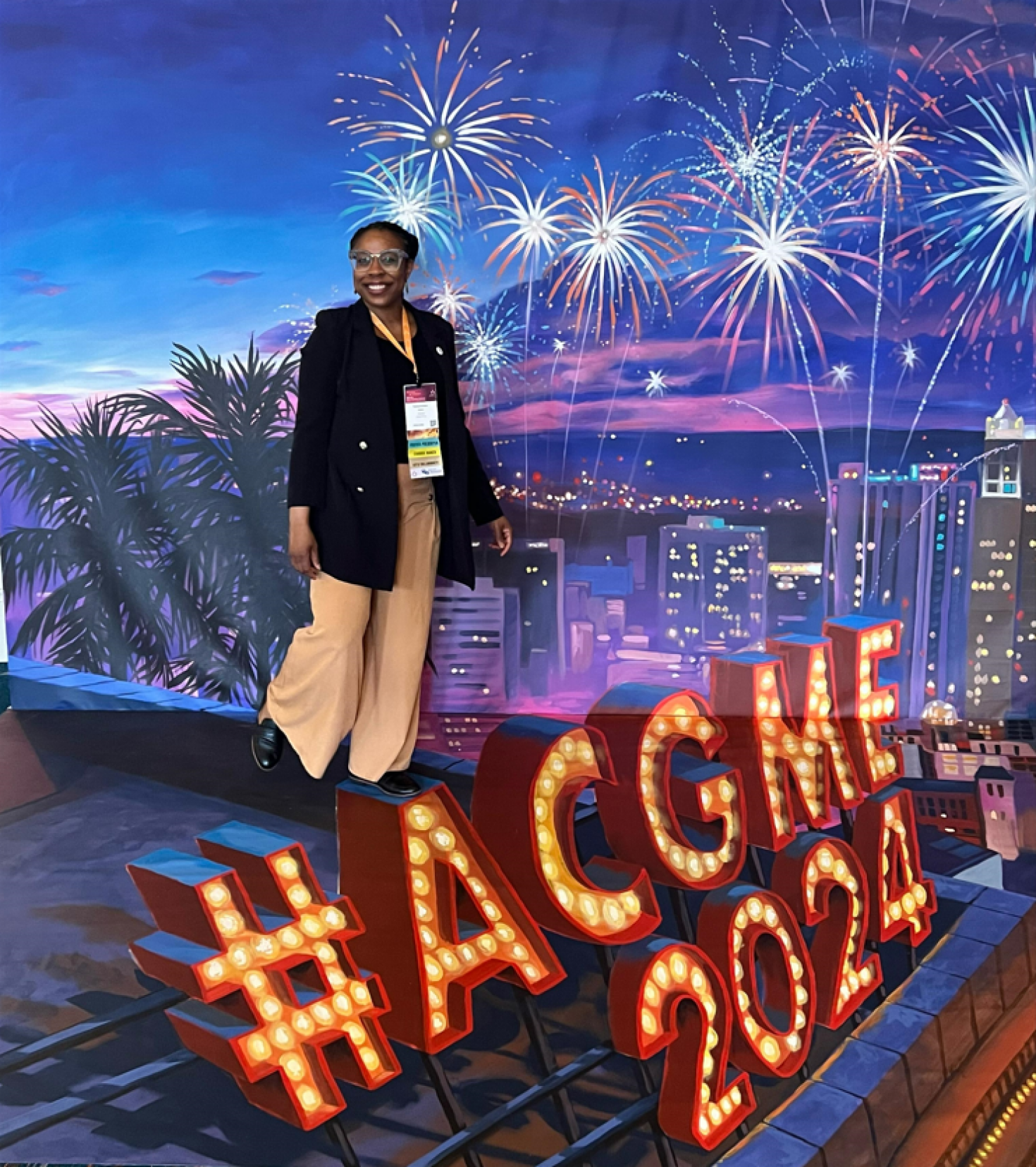
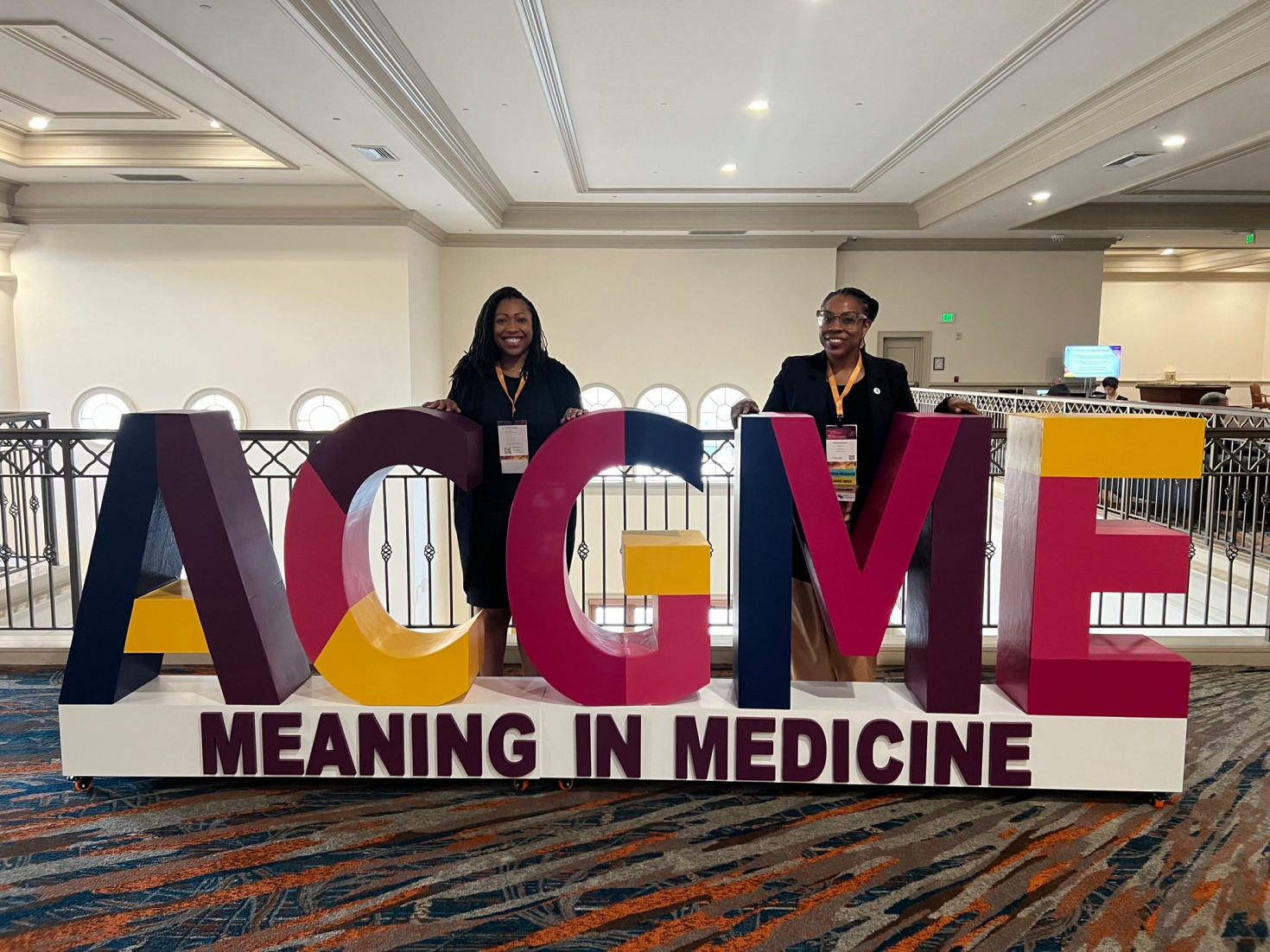
The team qualified for the ACGME Shark Tank in December 2023 with a short video creation which our medical student team member (Christopher Gonzalez) took lead on. Dr. Erica Fermon and Dr. Kene Ojukwu represented the group at the Shark Tank and won first place! Over the last two years, they have had three collaborative meetings, all cumulating in the ACGME Annual Education Conference.
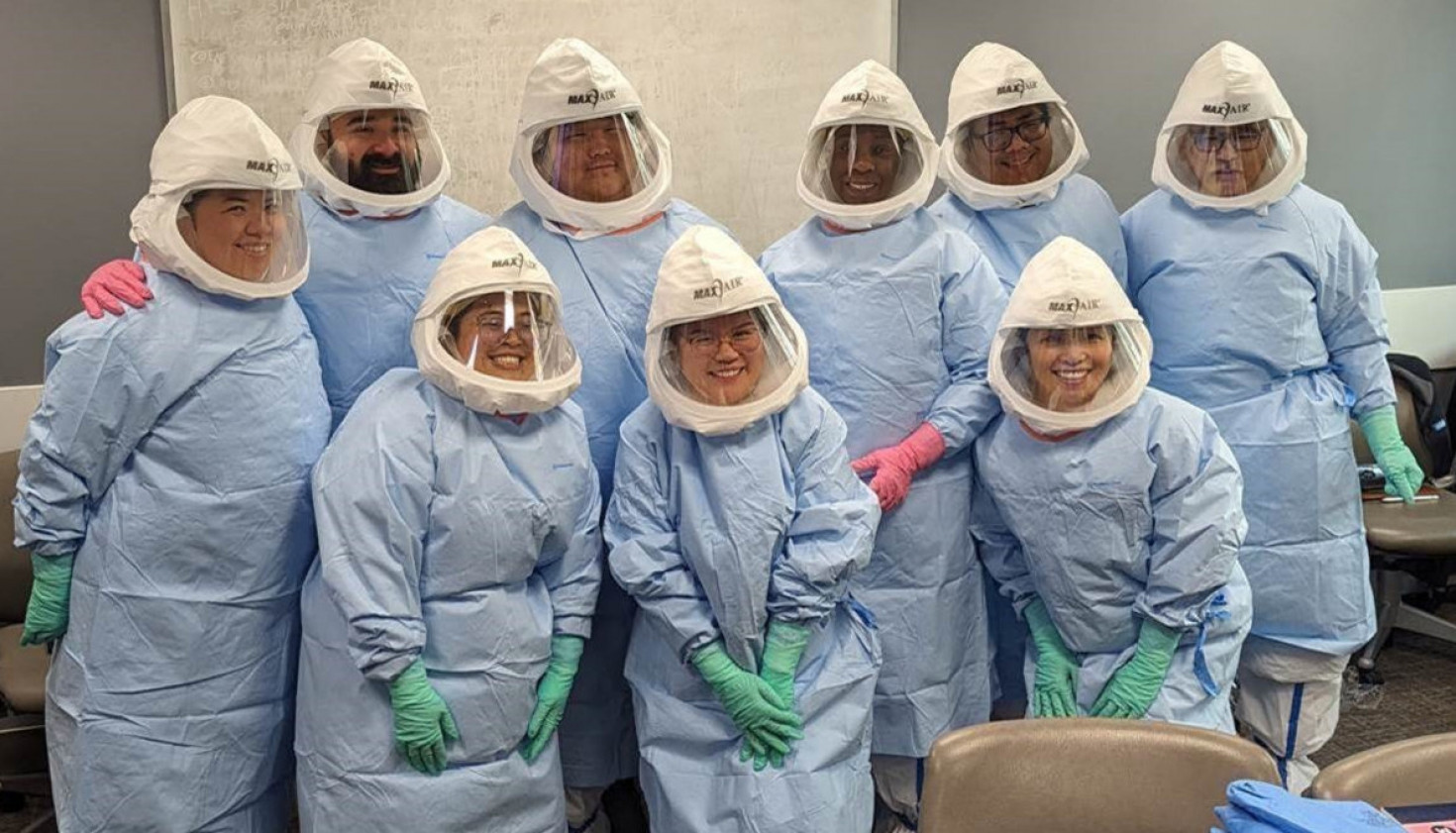
Lab Preparedness - Please Thank Our Staff Involved in These Efforts!
Lab preparedness is the process of ensuring that laboratories are ready to respond to various types of emergencies, especially from any Emerging Infectious diseases. A select group of Pathology & Laboratory Medicine staff have been participating in training drills and practicing their responses. They are well prepared to protect laboratory personnel, facilities, resources, and functions, as well as support public health and safety.
On an annual basis, these key staff members gather together to identifying hazards, conducting risk assessments, establishing roles and responsibilities, and optimize procedures and protocols.
They receive training on biosafety, personal protective equipment, and the shipment of dangerous goods to nearby reference laboratories.
It is vital for them to understand the methods of testing and exercising the laboratory emergency operations plan via conducting drills, simulations, tabletop exercises, and after-action reviews.
We appreciate their commitment to excellence and encourage others to thank them in person.