APRIL 2025
LAB WEEK

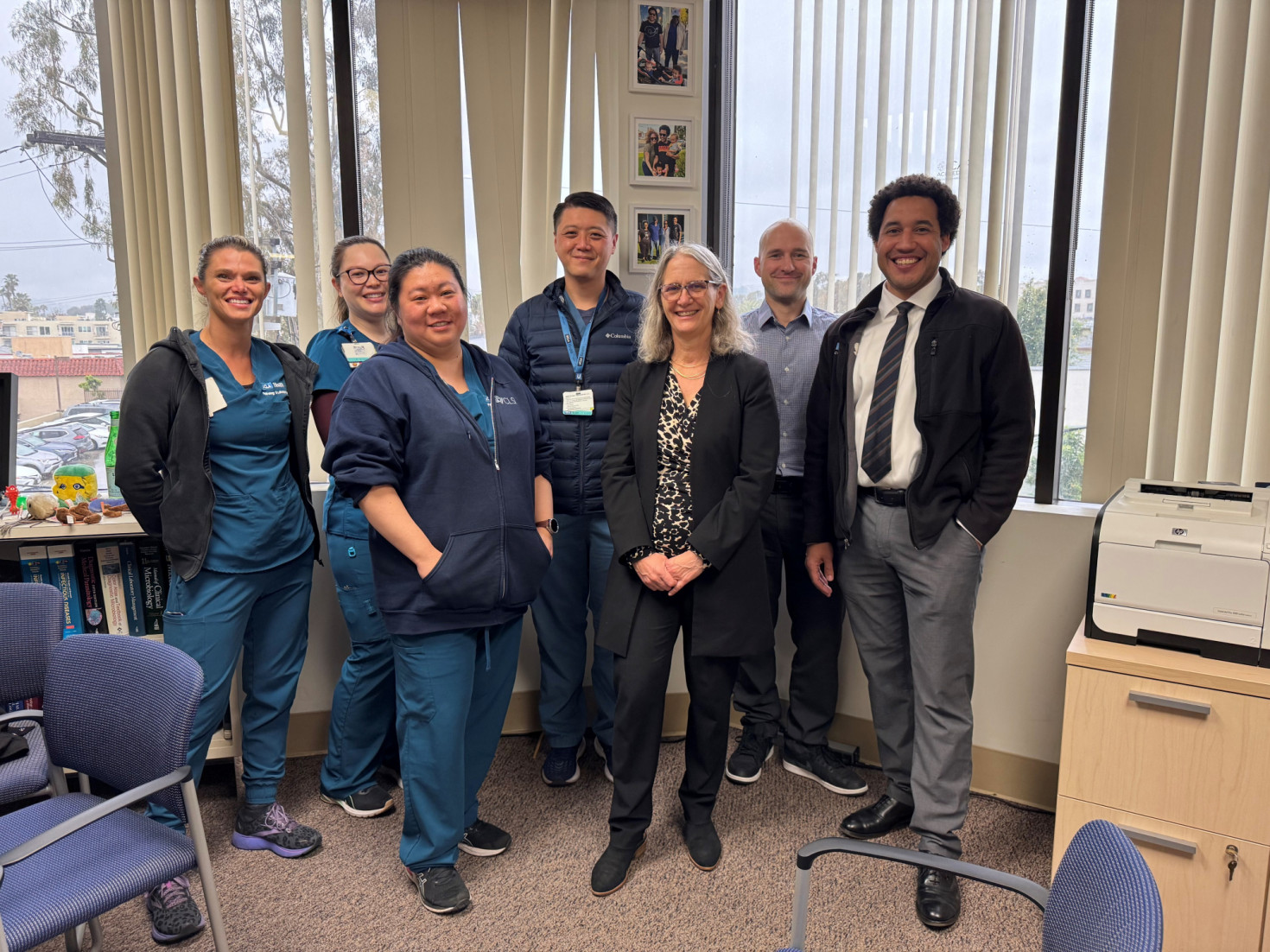
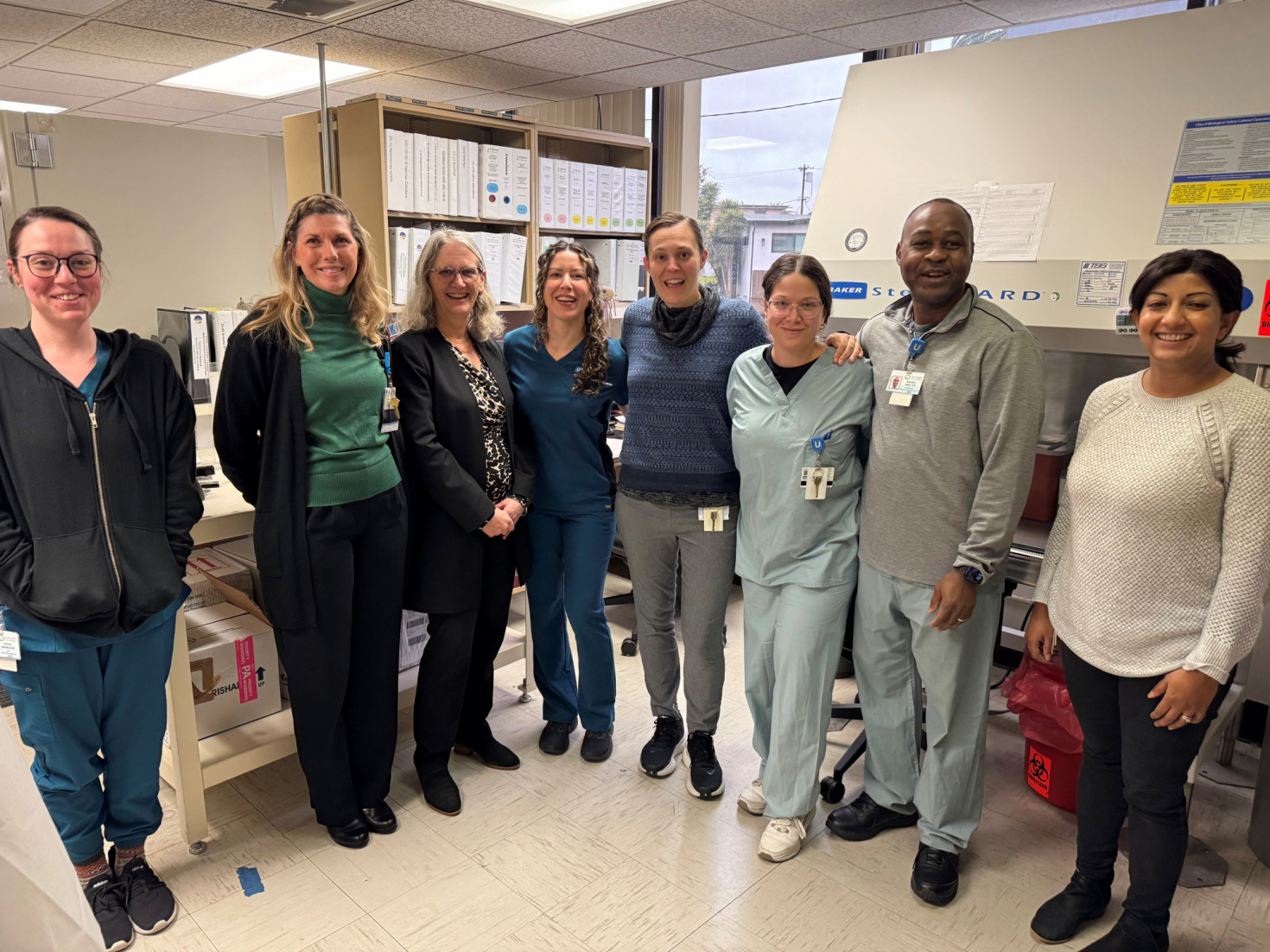
Founded in 2013, the Bruin University Reference Laboratory (BURL) was established to provide laboratory testing services specifically for UCLA Health ambulatory clinics. Since its inception, BURL has significantly expanded its reach, now serving over 300 clinics from Atascadero along the coast to Irvine. The lab operates ten draw stations and offers daily phlebotomy services to the California Rehabilitation Institute. With an impressive workload, BURL performs between 15,000 and 16,000 tests daily.
Key accomplishments this year include:
- Validated new instrumentation for CBC testing, updated Sysmex instruments, and implemented new middleware-Caresphere.
- Enhanced staffing at draw stations: staffing levels were reviewed, data analyzed, and justifications approved, leading to the hiring of additional staff and a notable increase in overall patient satisfaction.
- Optimized lab layout by relocating electrophoresis, hematology, and allergy instrumentation to accommodate a second TLA storage unit.
- Added technical leadership with the hire of two new technical supervisors, ensuring CLS supervisor coverage from 6:00 AM to 2:30 AM, Monday through Friday.
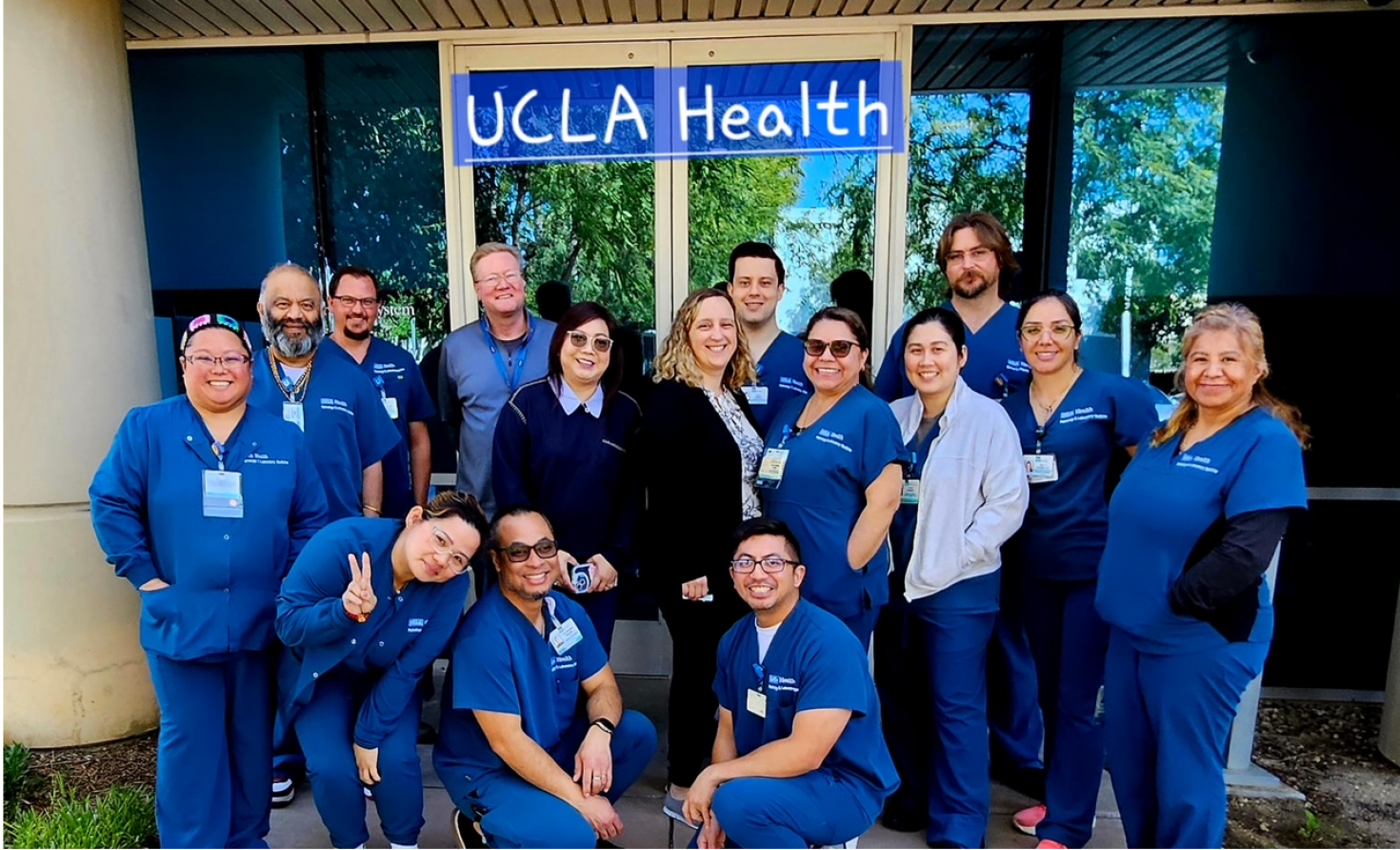
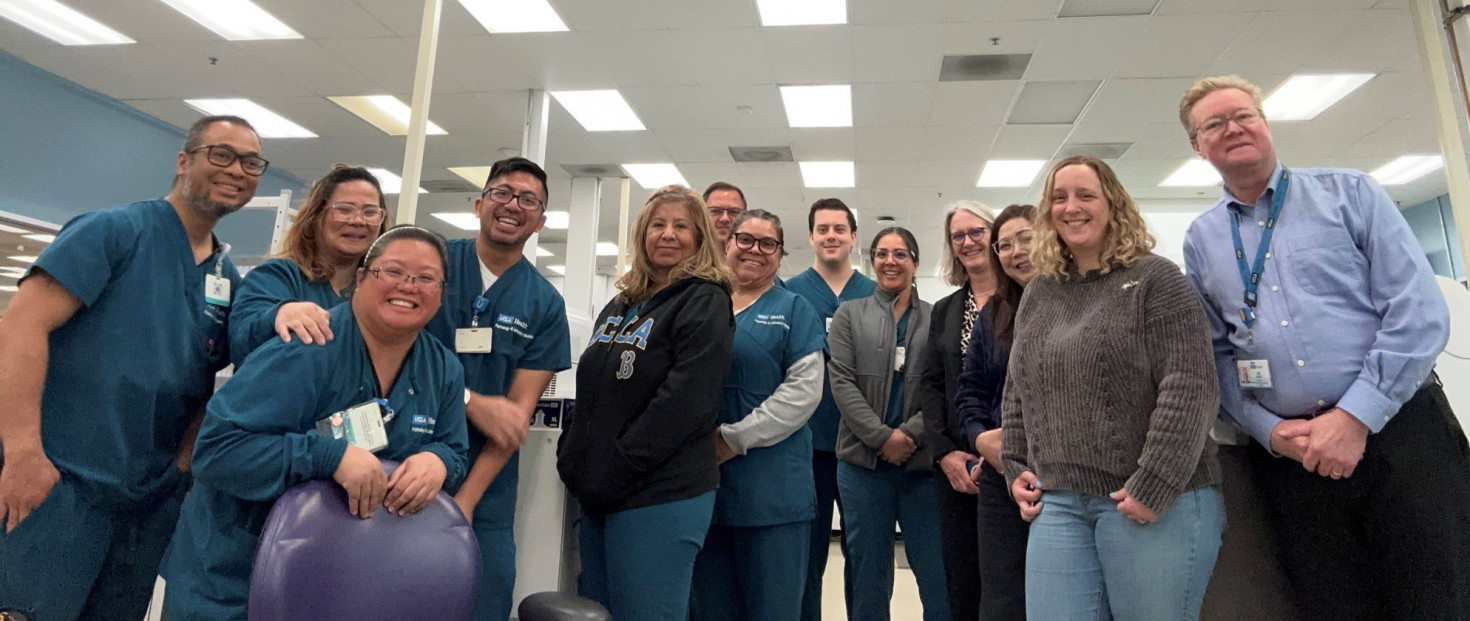
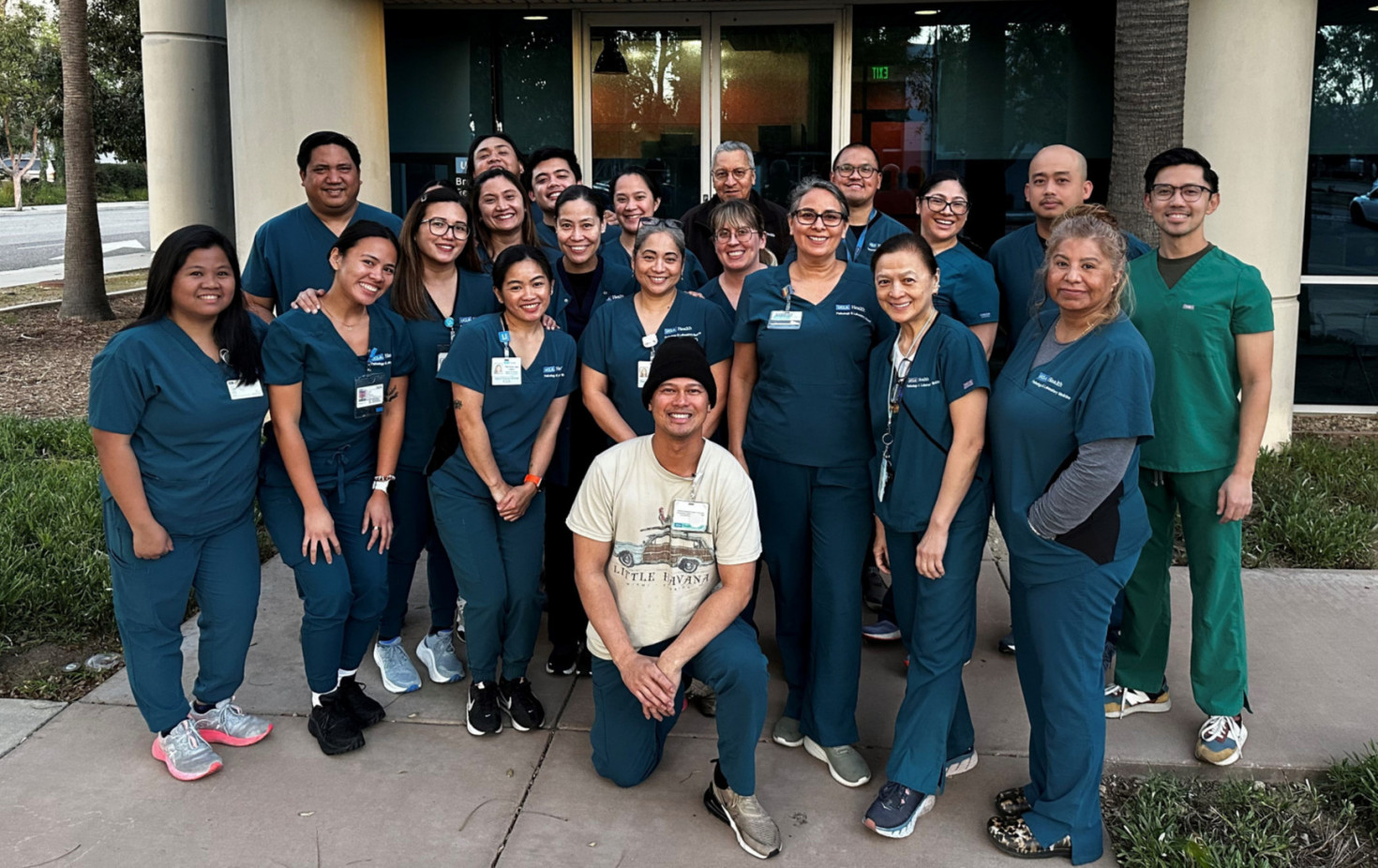
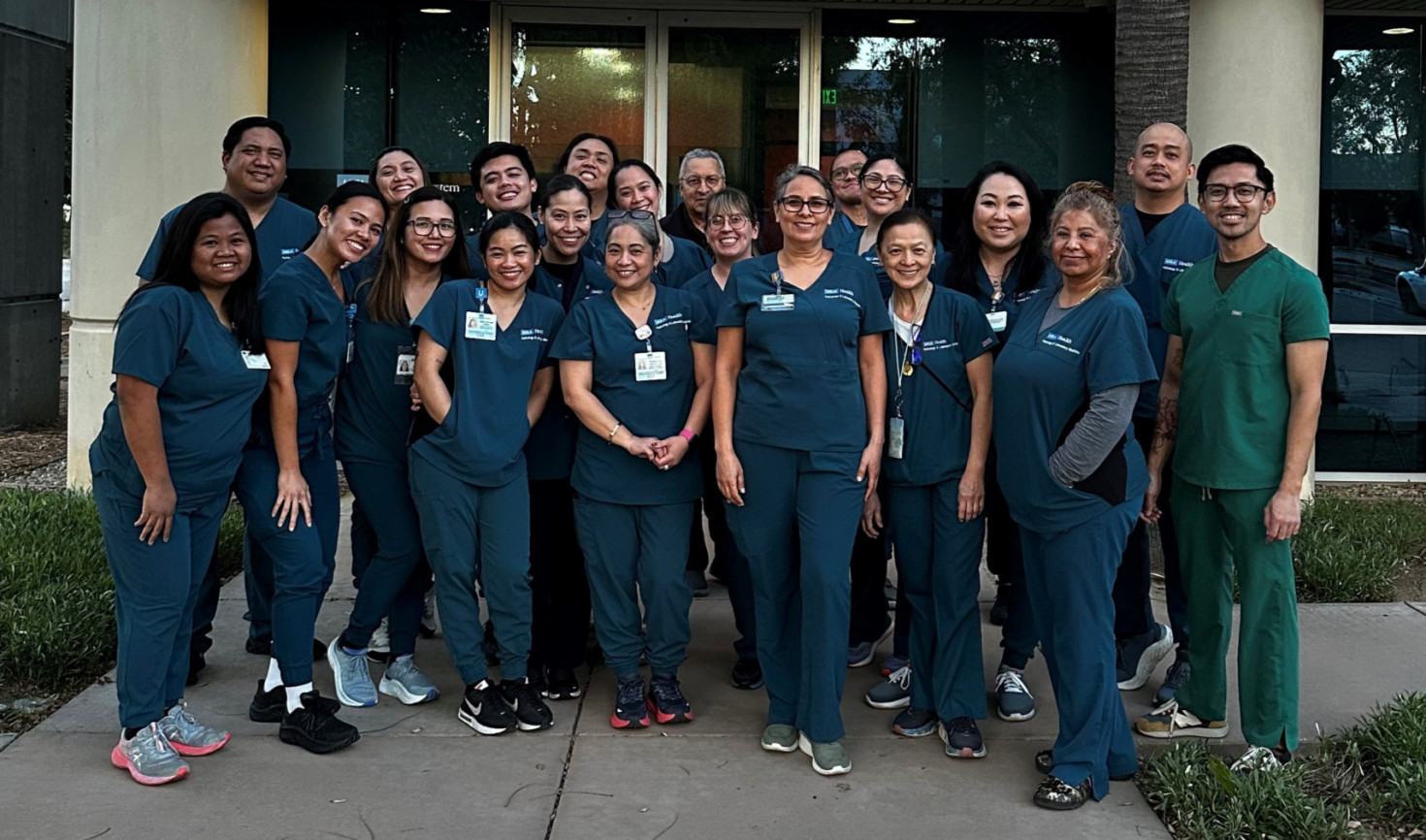
The Pathology and Laboratory Medicine Client Services Team acts as the primary contact for laboratory-related inquiries and concerns from ambulatory and outreach physicians, clinic staff, and patients. They handle issues related to sample collection, proactively reaching out to offices to resolve problems and gather missing information. Additionally, the team supports faculty by managing test requests and ensuring the prompt delivery of slides and specimens. They also oversee specimen routing and coordinate all courier services. Utilizing Epic’s Client Response Module, they track and address client issues, facilitating the resolution of recurring concerns.
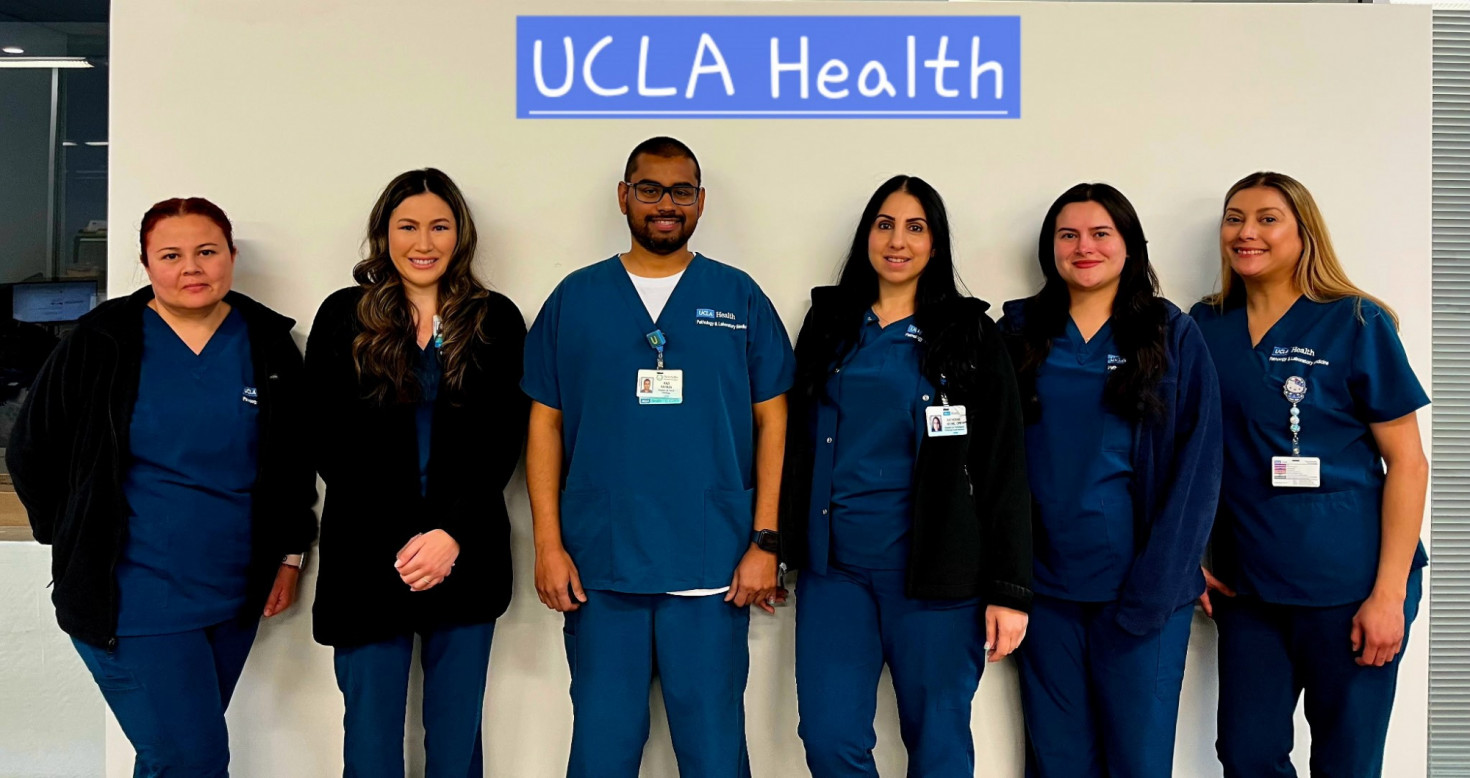
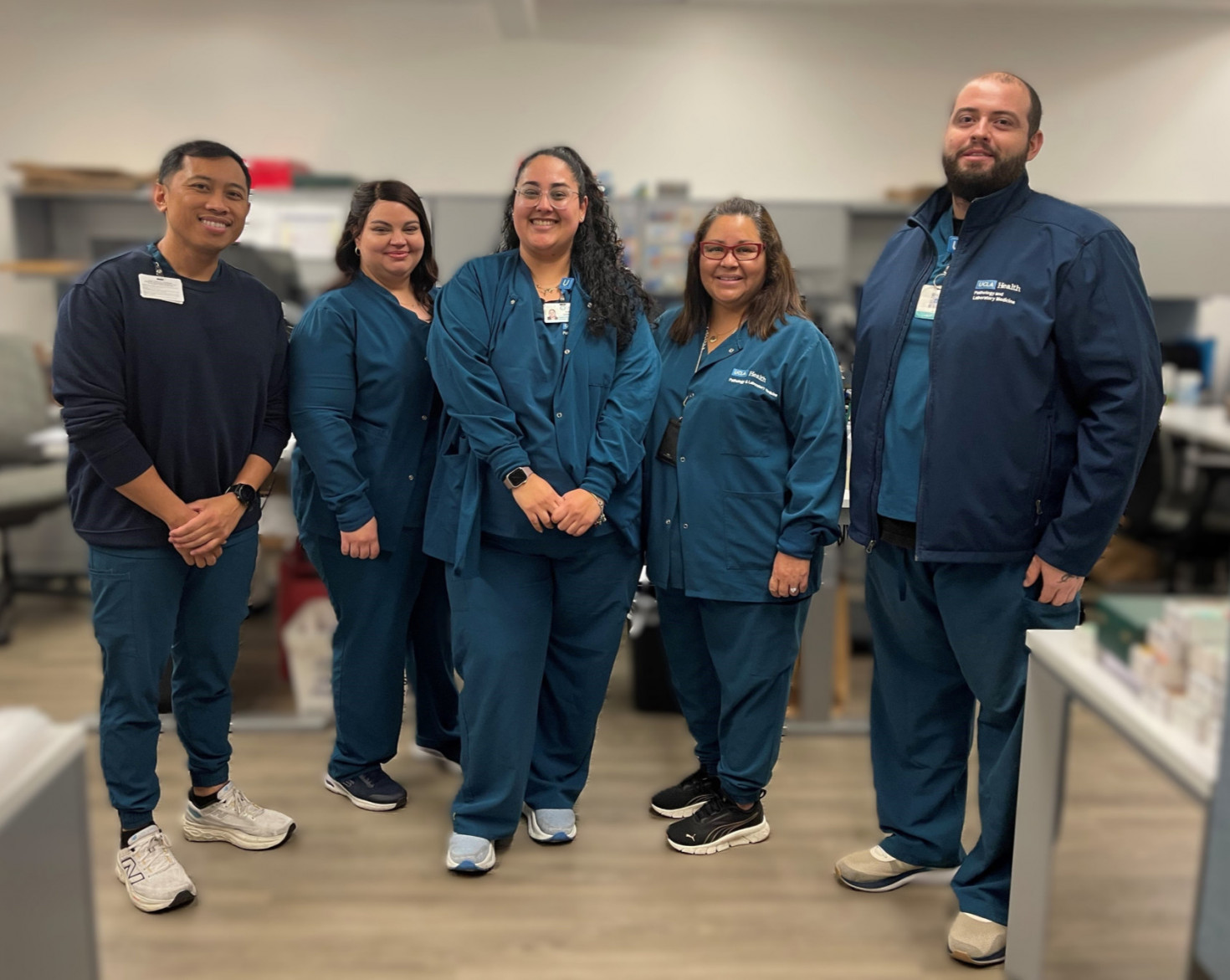
Anatomic Pathology (AP) is a vital part of the study and treatment of disease, and is a vast field comprised of decedent pathology, surgical pathology, cytopathology, neuropathology and ophthalmic pathology. Surgical pathology is closely affiliated with the clinical and surgical departments as well as all the surgical specialties, internal medicine, dermatology, neurology, radiology, radiation therapy, and medical oncology. Surgical pathology is the basis for diagnosis either intra-operatively or following surgery, and the surgical pathologist is called to advise the clinician about the correct diagnosis, appropriate therapy and prognosis. Our CHS building houses multiple AP Labs and teams, including Surgical Pathology, Bone Marrow and Flow Cytometry, Cytology, Histology, Immunohistochemistry (IHC), Molecular Diagnostics Laboratories (MDL), and the Electron Microscopy (EM) Lab.
This year’s accomplishments include:
- Bone Marrow and Flow Cytometry – 10-color/12-parameter platform go-live
- Molecular Diagnostics Laboratories (MDL) – New MDL tests live – BRAF IDYLLA Mutation Assay, IDH1/IDH2 IDYLLA mutation Assay, BCR-ABL Minor minimal residual disease (MRD) Assay, FLT3 TKD Mutation Assay, NPM1 Mutation Assay, New 221-gene Hematologic Malignancy DNA Sequencing Panel Test
- Immunohistochemistry (IHC) – Validated new tests: SSTR2A, OLIG2, MUC2, SF-1 and re-validated tests ER, PR, MSA, HCG, CD2
- Surgical Pathology – Merger of Outreach and hospital operations under Jennifer Filipek and Jessica Jones
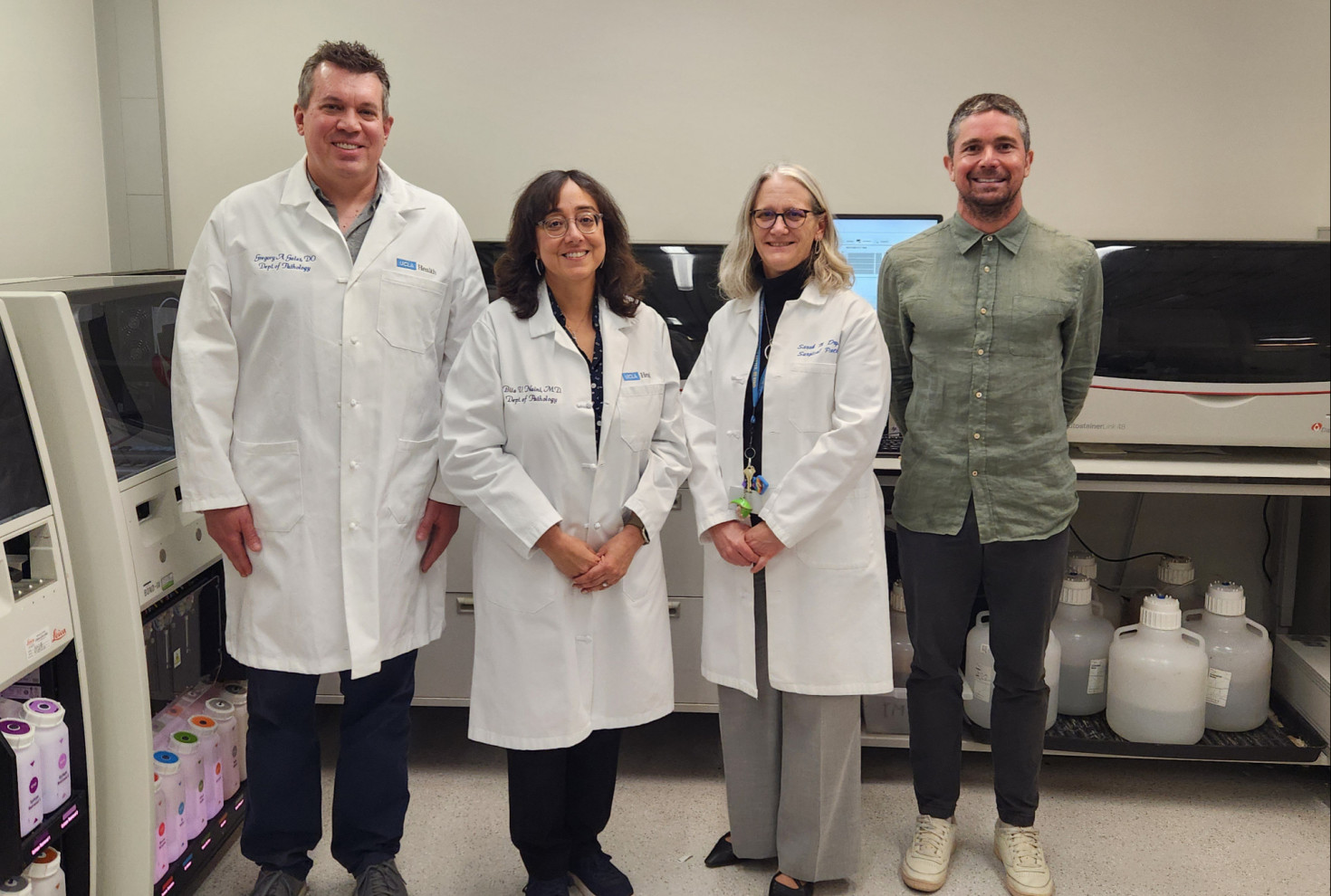
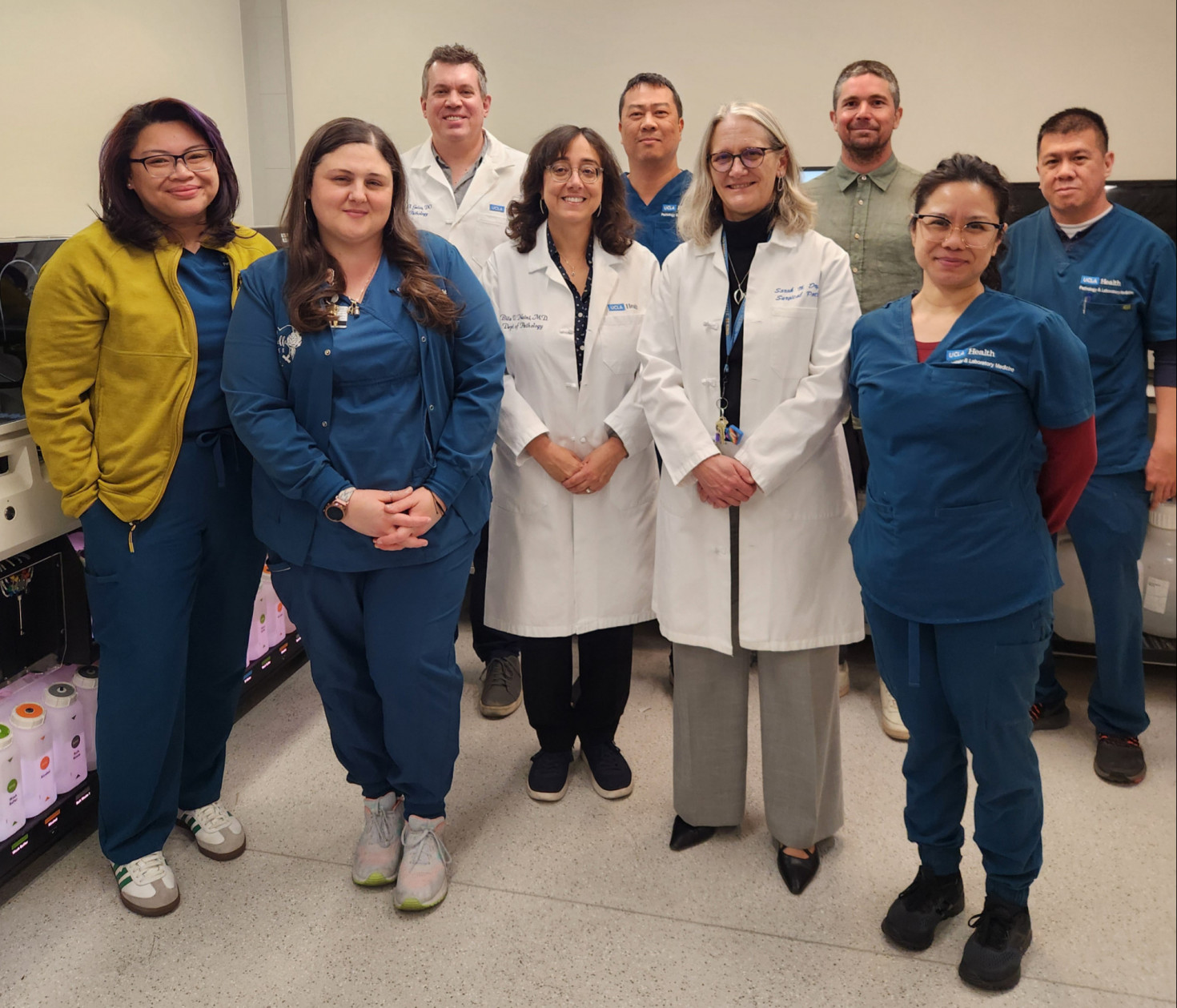
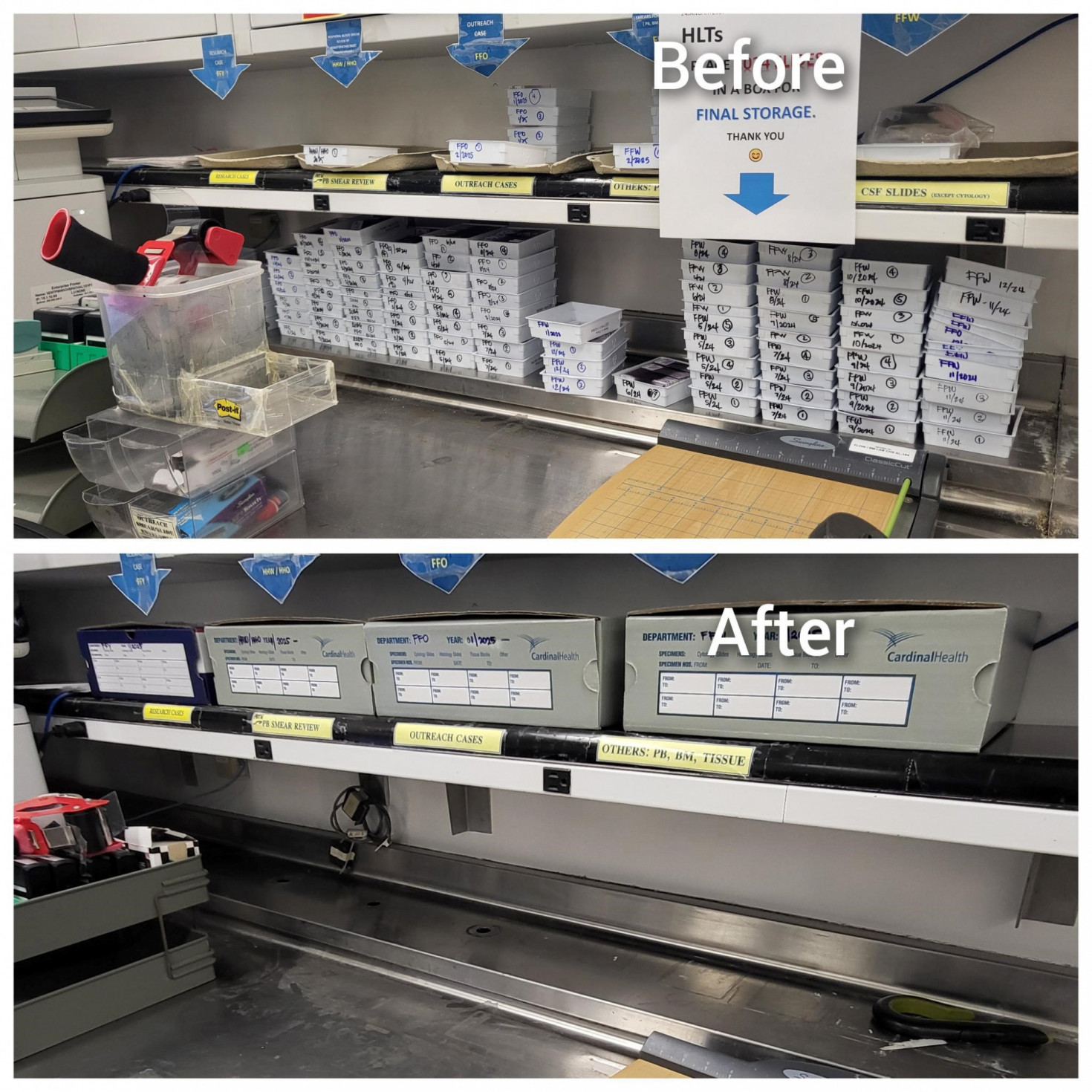
Flow Cytometry & Bone Marrow Labs 5S Project
The Flow Cytometry and Bone Marrow Laboratories successfully completed a comprehensive 5S project aimed at sorting, discarding, and properly filing patient slides accumulated over several years. This initiative was spearheaded by Ritchie (Ricky), who demonstrated remarkable dedication and meticulous attention to detail throughout the process. Ricky took great care to ensure that all patient slides were retained in strict accordance with the Standard Operating Procedures (SOPs), safeguarding critical laboratory records while optimizing storage efficiency. His commitment to this project was truly commendable, requiring a high level of diligence, organization, and focus to execute effectively. Through his efforts, the labs have not only improved workspace efficiency but also reinforced compliance with essential record-keeping protocols.
Cytogenetics
Cytogenetics is the study of the structure, function, and evolution of chromosomes. Chromosomal aberrations are hallmarks of different types of cancers and genetic conditions. The UCLA Cytogenetics Laboratory is a high-volume full-service operation, performing chromosomal studies for constitutional (prenatal and postnatal) and cancer (hematological neoplasms and solid tumors) indications on a variety of sample types such as, amniotic fluid, chorionic villus, blood, bone marrow, and tissue. The laboratory test menu has an extensive offering of FISH probes, karyotype studies, and chromosomal microarray analyses. The UCLA Cytogenetics Laboratory is also approved to perform cytogenetic testing for the California Prenatal Diagnosis Center and Children’s Oncology Group.
The Cytogenetics Laboratory introduced several new tests and completed a process improvement project in the past year.
New Tests and Process Improvement Projects
- Chromosomal microarray test for copy number and loss of heterozygosity detection in hematologic malignancies
- New FISH tests for AML subclassification
- NUP98 Rearrangements (11p15.4)
- DEK::NUP214 Fusions [t(6;9)]
- CBFB::MYH11 Fusions [inv(16)/t(16;16)]
- 1p deletion FFPE FISH for meningioma and adenoid cystic carcinoma
- Implemented workflow changes in accordance with new ACMG guidelines for hematopoietic and lymphoid tissue cytogenetic testing to enhance diagnostic accuracy, ensure compliance with best practices, and provide better patient care
Personnel
The Cytogenetics team includes technicians, licensed laboratory professionals, Clinical Cytogenetics Specialist (CCS) trainees, Laboratory Genetics and Genomics (LGG) fellows and ABMGG board certified laboratory directors. In 2024, Meggie Dinh (laboratory genetic counselor) joined the department and spends part of her time in Cytogenetics. She brings a new perspective to the lab and has already made valuable contributions as a liaison between the laboratory and clinical teams.
In addition to clinical work, Cytogenetics faculty and trainees actively participate in teaching, research, and committee service for local, national, and international organizations.
Spotlight on Faculty Workgroup and Committee Service
- American College of Medical Genetics and Genomics (ACMG) – Drs. Sue Kang, Fumin Lin and Niroshi Senaratne
- ArmGenia Project – Dr. Alden Huang
- California Prenatal Screening Program – Drs. Sue Kang and Niroshi Senaratne
- Cancer Genomics Consortium (CGC) – Dr. Niroshi Senaratne
- ClinGen – Dr. Sue Kang
- Genomics Organization for Academic Laboratories (GOAL) – Dr. Niroshi Senaratne
- Undiagnosed Diseases Network (UDN) – Dr. Alden Huang
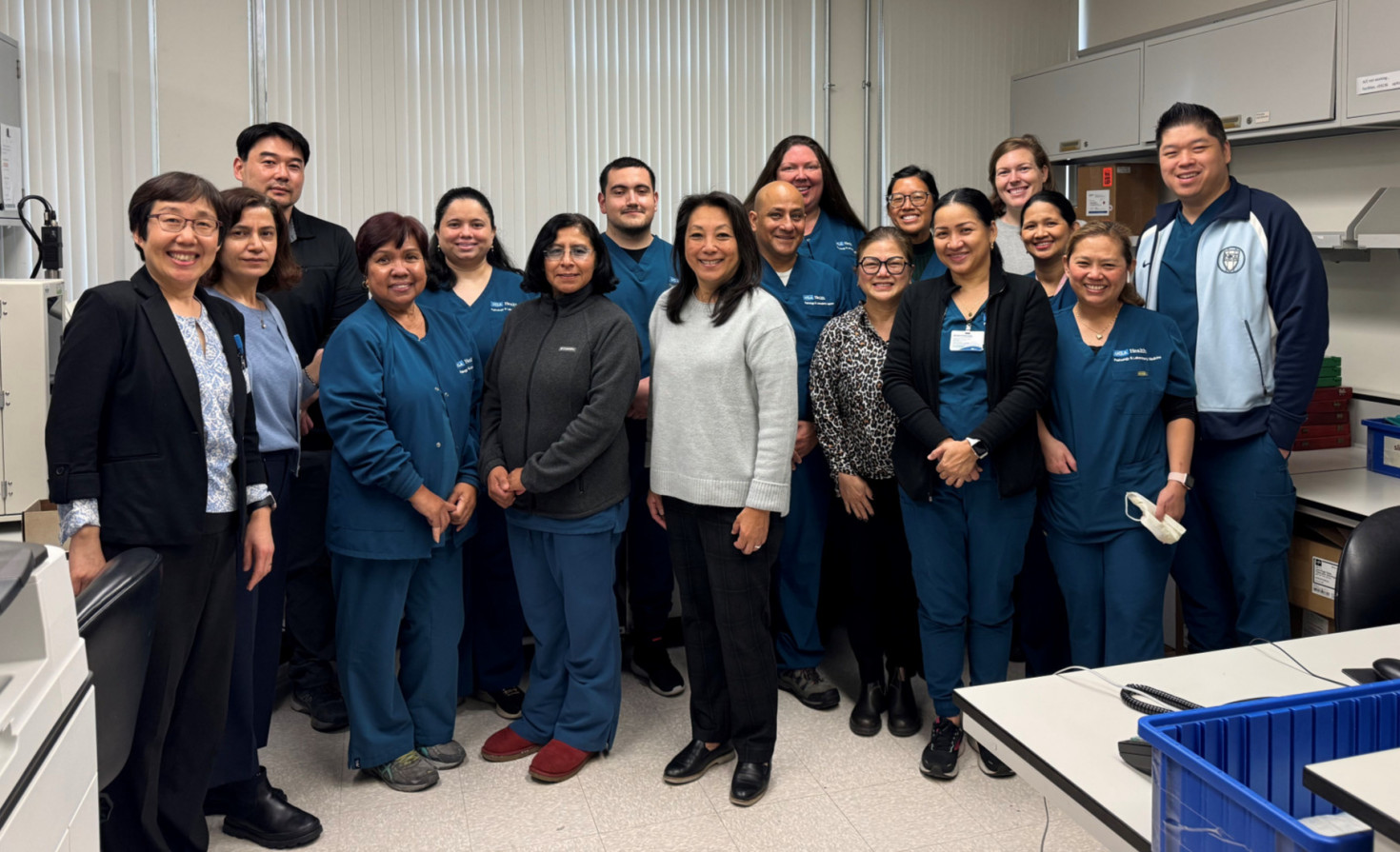
UCLA Olympic Analytical Laboratory (OAL)
The UCLA Olympic Analytical Laboratory (OAL) is one of the world’s largest World Anti-Doping Agency (WADA) accredited sports drug-testing facilities. As one of the leading institutions in the field of athletic antidoping, OAL is one of two laboratories in the U.S. accredited by WADA. The laboratory analyzes an estimated 40,000 urine specimens per year for traces of banned substances intended to give athletes an unfair edge in competition. The lab performs drug testing for national and international sports organizations, including the National Collegiate Athletics Association (NCAA), National Football League (NFL), Major League Baseball (MLB), the United States Anti-Doping Agency (USADA) and has provided testing services for major sporting events such as the 1994 World Soccer Cup and three Olympic Games.
UCLA OAL has been a leader in research activities directed toward enhancing methods to detect doping in sports. UCLA OAL has contributed to the findings of techniques and substances that currently influence the fight against doping in sports:
- In 1990, UCLA OAL and others conducted research that resulted in the development of a gas chromatography-combustion-isotope ratio mass spectrometry (IRMS) method to detect exogenous testosterone administration. Adaptations of this technique are currently utilized to detect a variety of steroids in urine specimens.
- In 2000, the laboratory identified trace-contamination of an over-the-counter supplement with an anabolic steroid and demonstrated the amount present could result in positive urine test results.
- In 2002, the laboratory identified norbolethone, a steroid that had never been marketed, in an athlete’s urine.
- In 2004, the laboratory published its findings regarding the isolation of tetrahydrogestrinone (THG), a steroid previously unknown in literature.
- In 2009, the laboratory became one of the first among WADA-laboratories to transition to high-throughput testing utilizing 96-well plate format demonstrating that such an approach remained both robust and highly sensitive.
- In 2018, the laboratory published findings on low-dose ethanol administration effect on the urinary testosterone to epitestosterone ratio by GC-MS/MS as well as urine reference intervals for human chorionic gonadotrophin utilizing a LC-MS/MS based approach.
- In 2019, the laboratory published its findings on the urinary concentration of the AMPK-activator AICAR in an athlete population as well as the utility of isotopically labeled boldenone as a quality control marker for efficiency of chemical derivative formation.
- In 2021, the laboratory published methodology allowing assessment of urinary cobalt by LC-MS/MS technology available in house to all WADA-accredited laboratories where previously such analysis required ICP-MS.
- In 2022, the laboratory presented posters at the 40th Cologne Workshop on Doping Analysis regarding the potential ramifications of metal-sensitive analytes in doping control as well as the detection of testosterone and androstenedione in serum by LC-HRMS.
- In 2023, the laboratory published its findings concerning first time detection of the unapproved selective androgen receptor modulator YK-11 in an athlete’s urine and joined in publishing results concerning the detection of capromorelin after oral or dermal administration.
- In 2024, the laboratory contributed to a published study on the long-term excretion of Roxadustat in urine and shared in presentation of several posters at the 42nd Cologne Workshop on Doping Analysis on topics including athlete exposure to pet medications, carbon isotope ration testing of AICAR-derived ribose and steroid formate derivatives.
- In 2025, the laboratory presented three posters at the 43rd Cologne Workshop on Doping Analysis studying the performance of 2D HPLC for cleanup of steroid targets after selective formylation, the development of a novel combustion interface employing a capillary-in-capillary design for IRMS analysis, and the identification of in vitro metabolites of the exercise mimetic SLU-PP-332 ERRα/β/γ receptor agonist for use in doping control. The laboratory also collaborated with USADA and the Swiss Laboratory for Doping Analysis on work presented at the Workshop regarding management of Dorzolamide adverse analytical findings.
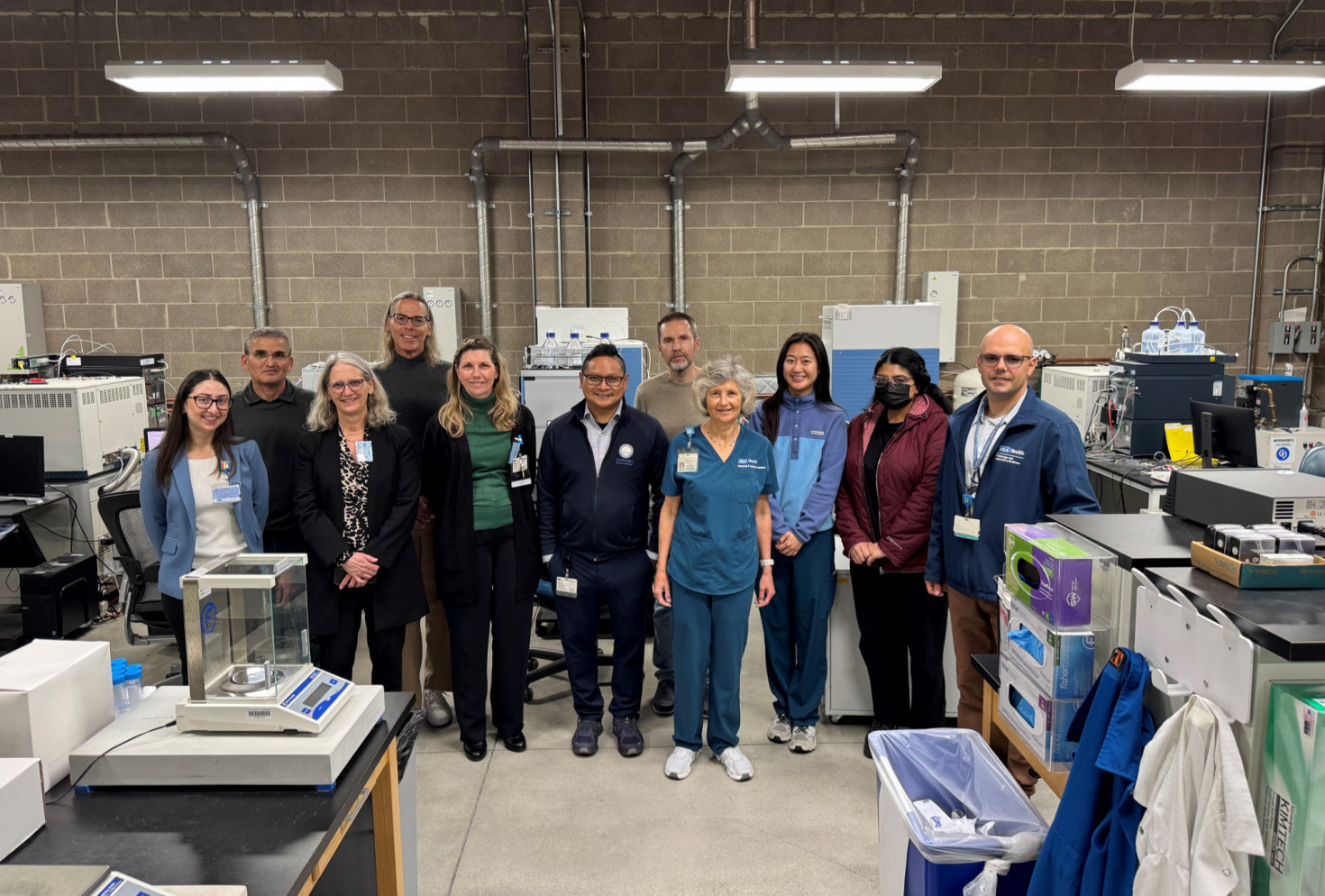
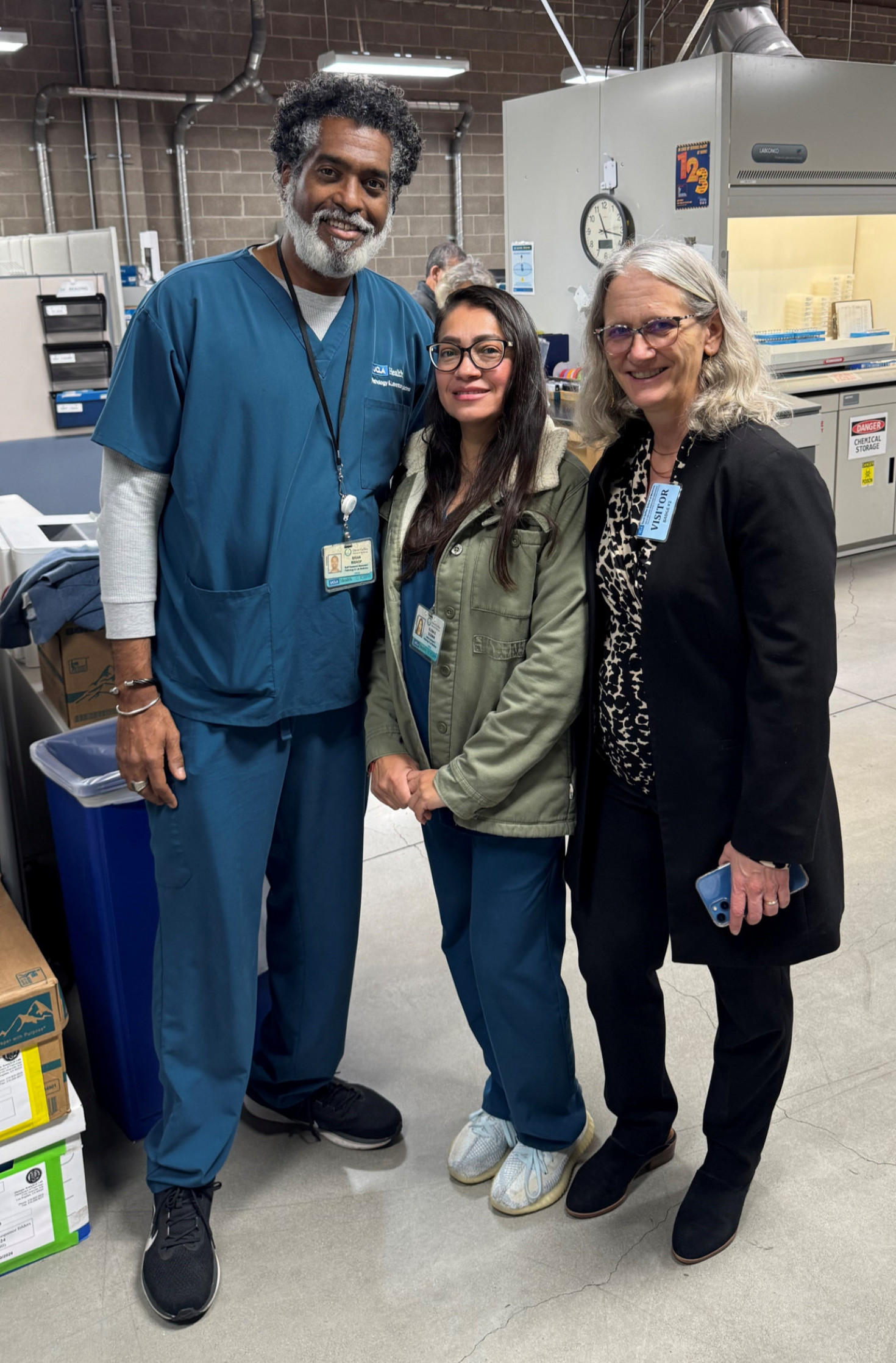
The UCLA Clinical Laboratory at Ronald Reagan UCLA Medical Center is a hub of precision and care, delivering top-tier diagnostic testing services to patients across Westwood, Santa Monica, and a network of affiliated outpatient clinics and physician offices. Whether serving inpatients or outpatients, our expert phlebotomy teams provide seamless, compassionate care—offering services at both hospital locations as well as convenient outpatient sites in the Westwood 100 and 200 Medical Plaza Buildings. Our talented and knowledgeable team of more than 350 individuals ensure quality testing in blood bank, blood gases, chemistry, coagulation, hematology, microbiology, serology, toxicology, and urinalysis. Beyond traditional laboratory testing, we oversee point-of-care testing for inpatient and hospital-based outpatient settings, ensuring rapid and reliable results at the bedside. For specialized tests beyond our in-house capabilities, we partner with carefully selected referral laboratories to maintain the highest standards of accuracy and excellence.
Committed to advancing high-quality patient care, our laboratory actively supports stewardship and quality initiatives, as well as clinical research, playing a vital role in pioneering innovations that shape the future of patient care at UCLA Health and beyond. With licensure from the State of California, prestigious accreditation from the College of American Pathologists (CAP), and CLIA certification across all testing locations, we uphold the highest standards of quality, compliance, and patient care.
Notable Projects and Achievements in 2024- Total Laboratory Automation (TLA) Implementation – Introduced advanced robotic systems, automated analyzers, and integrated software solutions to streamline laboratory workflows. This enhancement has significantly improved efficiency, minimized human error, optimized turnaround times, and maximized productivity in clinical diagnostics.
- Facility Enhancements – Remodeled the 200 Medical Plaza Laboratory waiting room to create a more welcoming environment for patients awaiting phlebotomy services. Additionally, expanded operating hours at 100 Medical Plaza Laboratory to 6:00 AM – 6:00 PM for greater patient accessibility.
- Instrumentation and Test Menu Expansion – Added new diagnostic instrumentation (Architect i1000 for Tacrolimus, Cyclosporine, Sirolimus; Rotem Sigmas for point of care viscoelastic testing) and new tests (prolactin and ethyl glycol) to broaden laboratory capabilities and enhance patient care.
- Implementation of Intercept Fibrinogen Complex (IFC) – Introduced a new blood bank product, IFC, as a pre-thawed, pathogen-reduced alternative to cryoprecipitate for the treatment of massively bleeding pregnant and postpartum patients, improving patient outcomes.
- Advancements in Blood Bank Procedures – Established new protocols for the care of patients with sickle cell disease, contributing to UCLA's designation as a Sickle Cell Center of Excellence.
- Transfusion Medicine Dashboard Integration – Developed and implemented a Transfusion Medicine Dashboard in CareConnect, providing providers with clear, summarized Blood Bank information to enhance decision-making and patient management.
Blood & Platelet Center
Notable Projects and Achievements in 2024
- Enhancement of Enhanced Blood Center Analytics - the Blood and Platelet Center implemented more advanced blood center analytics in Tableau, providing valuable insights into donor recruitment, collections, and manufacturing operations. These data-driven tools have improved efficiency and strategic decision-making across our operations at the blood center.
- Big 10 Blood Drive - Additionally, we successfully hosted the first annual Big 10 Blood Drive with Abbott at UCLA competing against other Big 10 Universities. This effort helped to expand our impact and reinforcing the importance of community-driven blood donation efforts from UCLA supporters nationwide.
- Expansion of Service Excellence Program at the Blood and Platelet Center – We implemented our new blood donor, blood drive contact and campus recruitment surveys. This allowed the blood center to maximize the connection to our customers and help improve the blood donor experience at our donation centers and mobile blood drives by collecting information from our donors, campus partners and blood drive partners in the greater Los Angeles area.
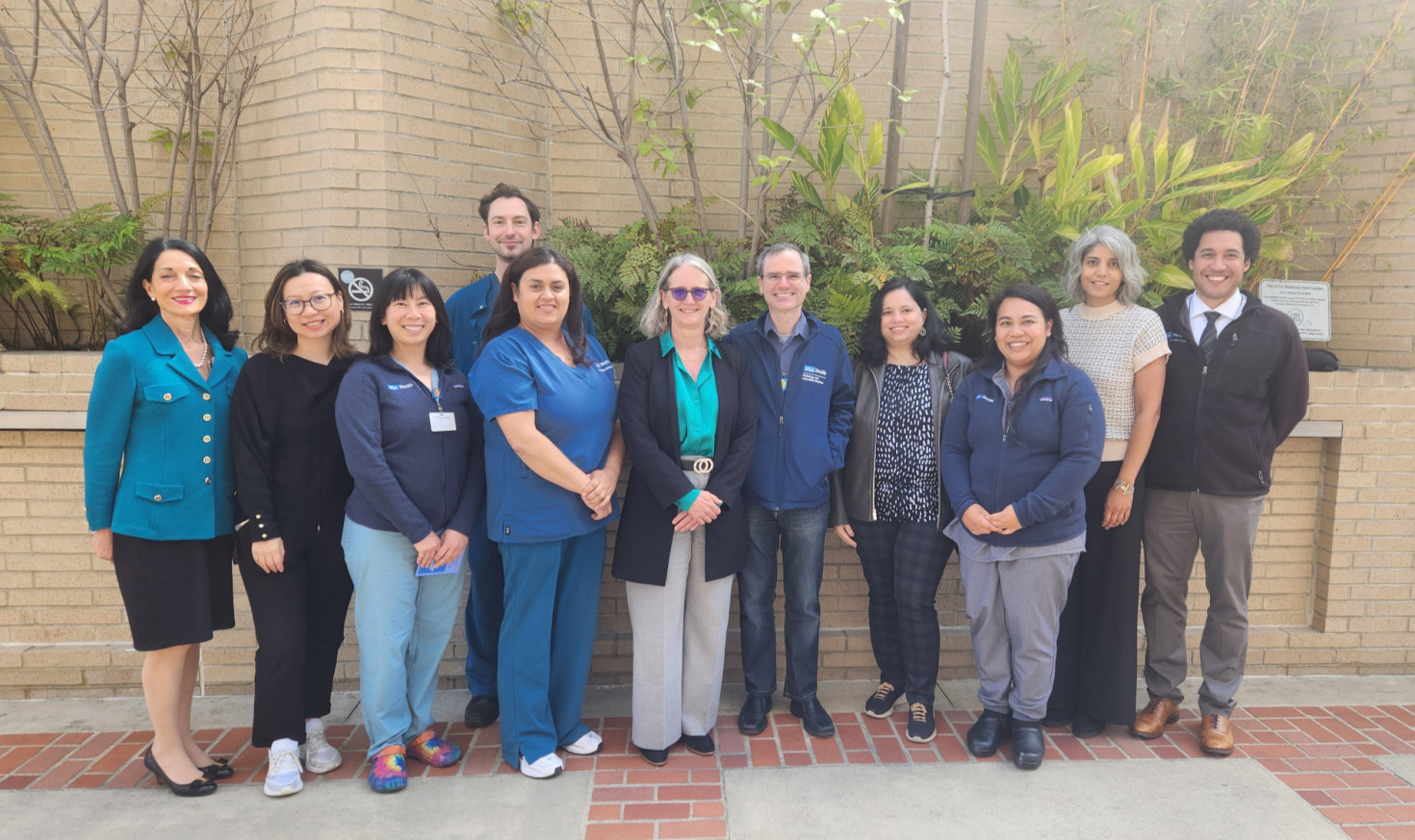
Santa Monica Clinical Laboratory
Santa Monica Clinical Laboratory is comprised of the inpatient clinical lab and the outpatient draw station. Our outpatient draw station offers world-class laboratory services with outstanding customer care. Our services include onsite blood draw, specimen collection, and specimen drop-offs. Our draw station serviced 47,909 patients in 2024! The inpatient clinical lab provides a wide range of laboratory services with advanced technologies that aid clinicians in diagnosing, treating, and monitoring diseases.
We offer our staff a unique opportunity to gain valuable experience across multiple areas of the lab. Our pre-analytical staff are highly skilled in phlebotomy, specimen processing, and operating and maintaining our Total Lab Automation (TLA) line. Our Clinical Lab Scientists are equipped with comprehensive laboratory knowledge by rotating through different sections of the lab, including Blood Bank, Hematology, Chemistry, Coagulation, Urinalysis, limited Microbiology, Point-of-Care, and Intra-operative PTH testing. We commit to delivering high-quality patient care through all phases of laboratory testing, from pre-analytical to analytical and post-analytical, by constantly improving the way we deliver our services.
Some notable accomplishments in 2024 include:
- Preanalytical
- New Phlebotomy area in SM ED – improving patient and staff safety during blood collection and the collection turnaround time.
- New and renovated registration areas for Outpatient draw station to enhance patient privacy.
- Point-of-Care Testing
- Implementation of new analyzer for Intra-Operative PTH testing – a new technology, more reliable and stable instrument, eliminate the manual sample processing.
- Implementation of Activated Clotting Time (ACT+) assay to Point-of-Care Testing in Interventional Radiology for a new procedure Hepzato.
- Implementation of Blood Gas analyzer in the ICU – providing fast test results aided in assessing the respiratory function and acid-base balance in critical care situations.
- Blood Bank
- Introduced Pathogen Reduced Cryoprecipitate in Blood Bank for Labor and Delivery Tier 3 Patients – faster issuing process for cryoprecipitate and reducing wastage.
- Implemented a hard stop at specimen receipt in Beaker for Blood Bank specimens that are missing collector information – minimizing delay in Blood Bank testing.
- Validated new platelet incubator and new Blood Bank label printers.
- Updated Tier Massive Transfusion Protocol – better conveying the purpose of each Tier and to better align ordering practice with clinical practice.
- Hematology
- Validation of an alternative microtainer tube for Pediatric Hematology testing – maintaining the quality and reliability of hematology testing during primary tube shortage.
- Validation of iSED Elite Sedimentation Rate analyzers in Hematology – improving the accuracy and efficiency of sedimentation rate testing with quicker turnaround time.
- Validation of Group A Strep PCR test – enhancing sensitivity, eliminating manual processing and interpretation, improving accuracy with faster turnaround time.
- Chemistry
- Added Patient FYI flags for pseudohyperkalemia patients requiring specific tubes draws in CareConnect – reducing unnecessary patient sticks from blood collection.
- Upgraded to new versions of Urine Benzodiazepine, AST, and ALT reagent – improved test sensitivity and freed up reagent slots on the analyzers.
- Quality Assurance
- Implemented the “Information” specimen labels – reduced about 30-40 test cancelations monthly.
- Completed the lab-specific business continuity plan - providing the necessary information and resources to continue lab services during unplanned disruptions.
- Successfully completing CAP inspection with no deficiency.
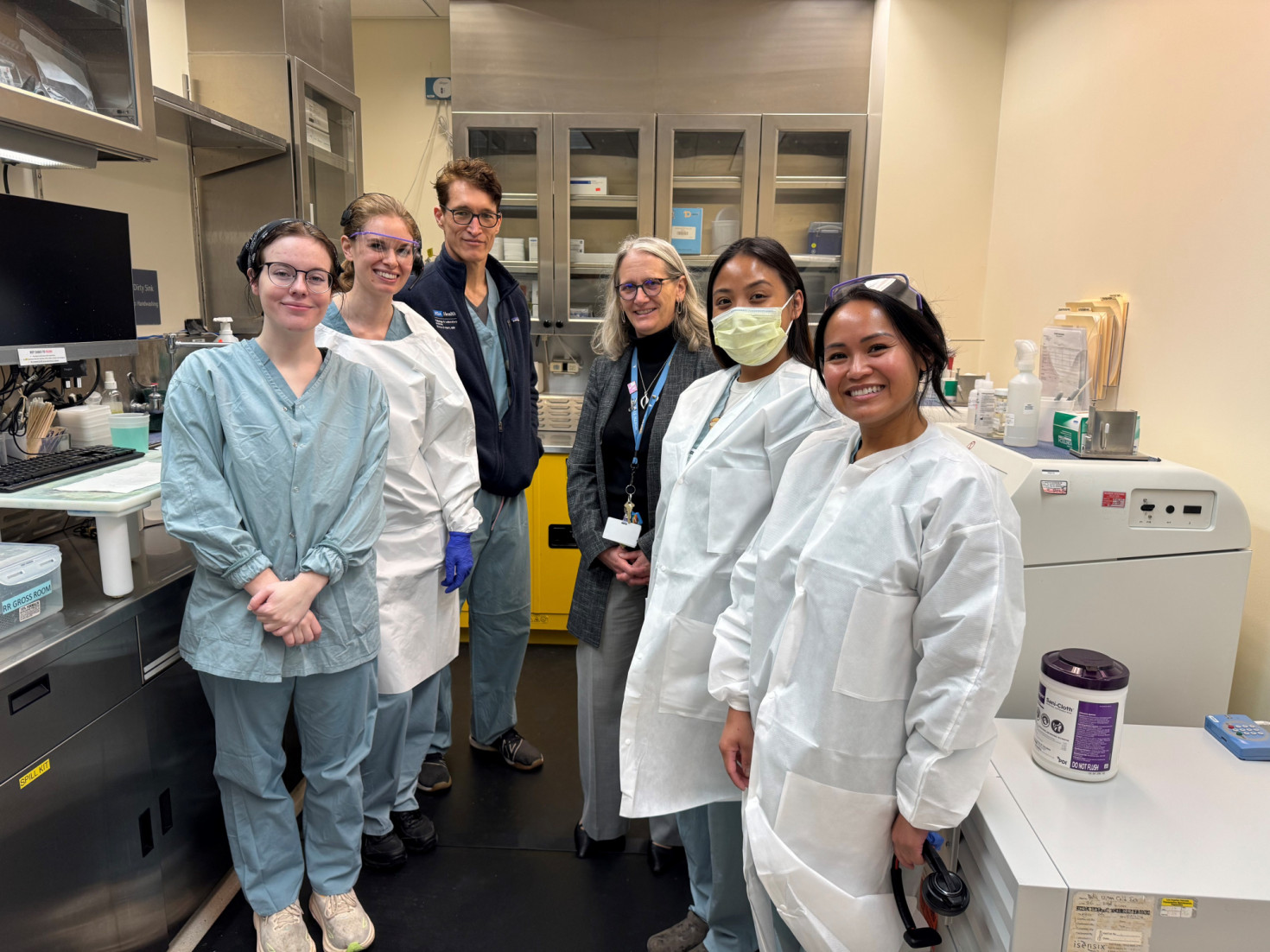
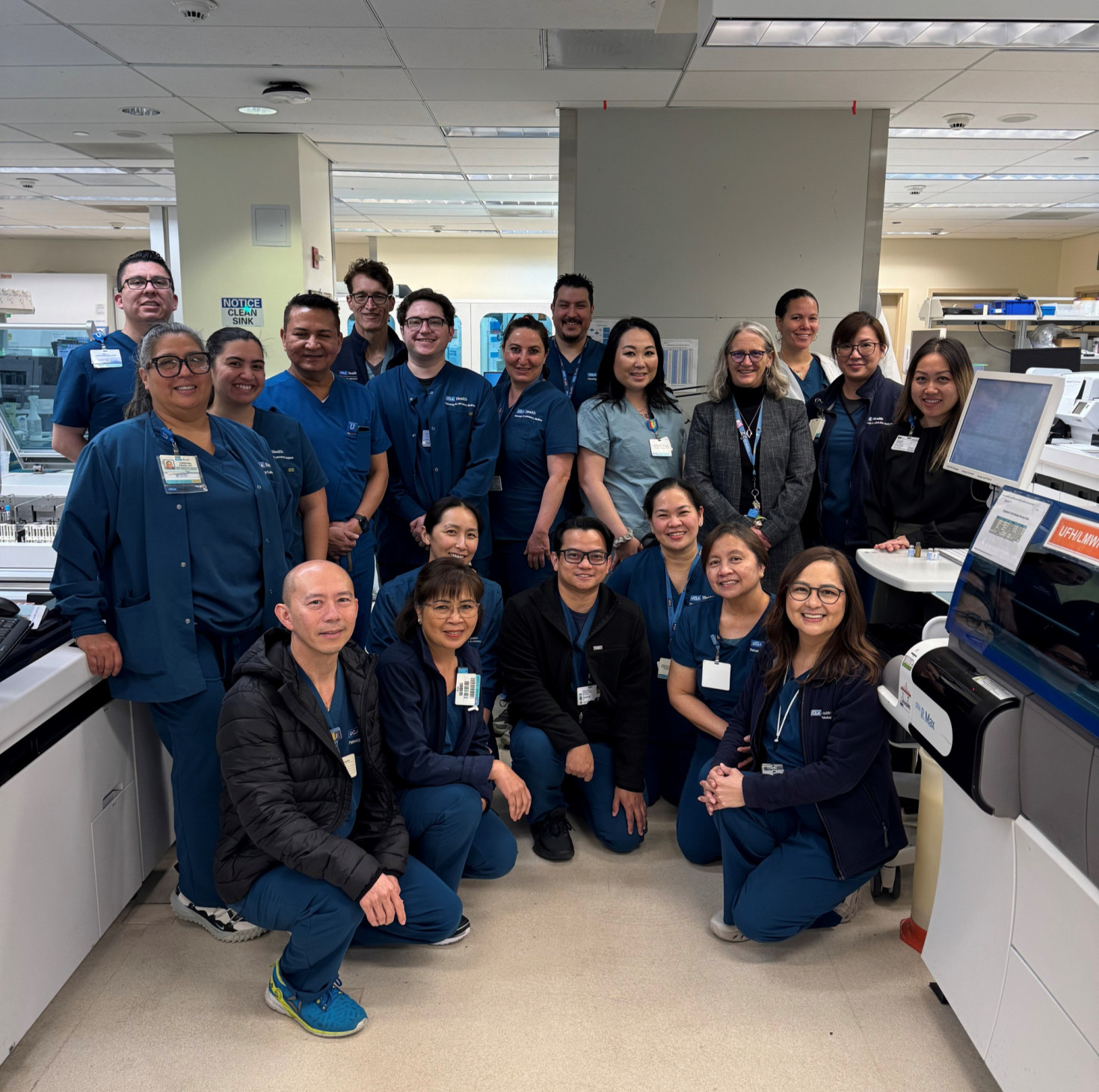
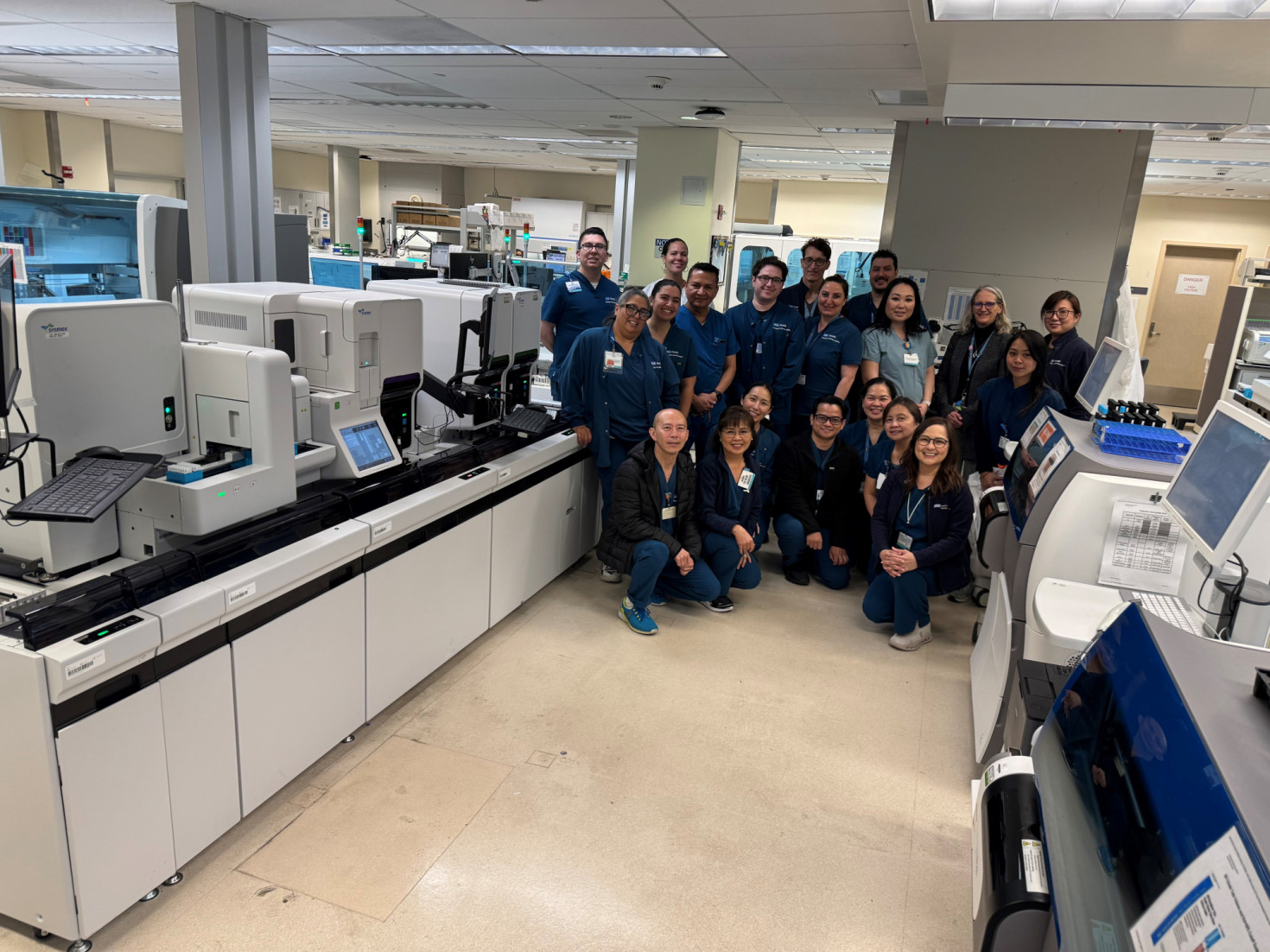
UCLA IMMUNOGENETICS CENTER
The UCLA Immunogenetics Center (UIC) provides state of the art Histocompatibility and Immunogenetics testing for solid organ and stem cell transplantation, pre and post transplant immune assessment and testing for diagnosis of diseases with associations to the Human Leukocyte Antigens. As one of the first established laboratories in Histocompatibility and Immunogenetics, we continue to advance the field through research, clinical innovation, proficiency testing and educational training UIC provides customized testing and support services for clinical trials and clinical research to monitor response to experimental therapy.
Front Row (L to R): Shery, Angela, Alyssa, Sofia, Arlene
UCLA Health’s leading-edge patient experience is now available in West Hills for residents of the San Fernando Valley. The UCLA Department of Pathology and Laboratory Medicine assists the West Valley Medical Center (WVMC) health professionals and patients in making optimal decisions based on the latest diagnostic studies, using state-of-the-art instrumentation.
Dr. Irene Riahi will be serving as the Medical Director for West Valley Medical Center, starting April 14th, 2025. She will be providing anatomic pathology services as well as leading laboratory medicine activities at WVMC.
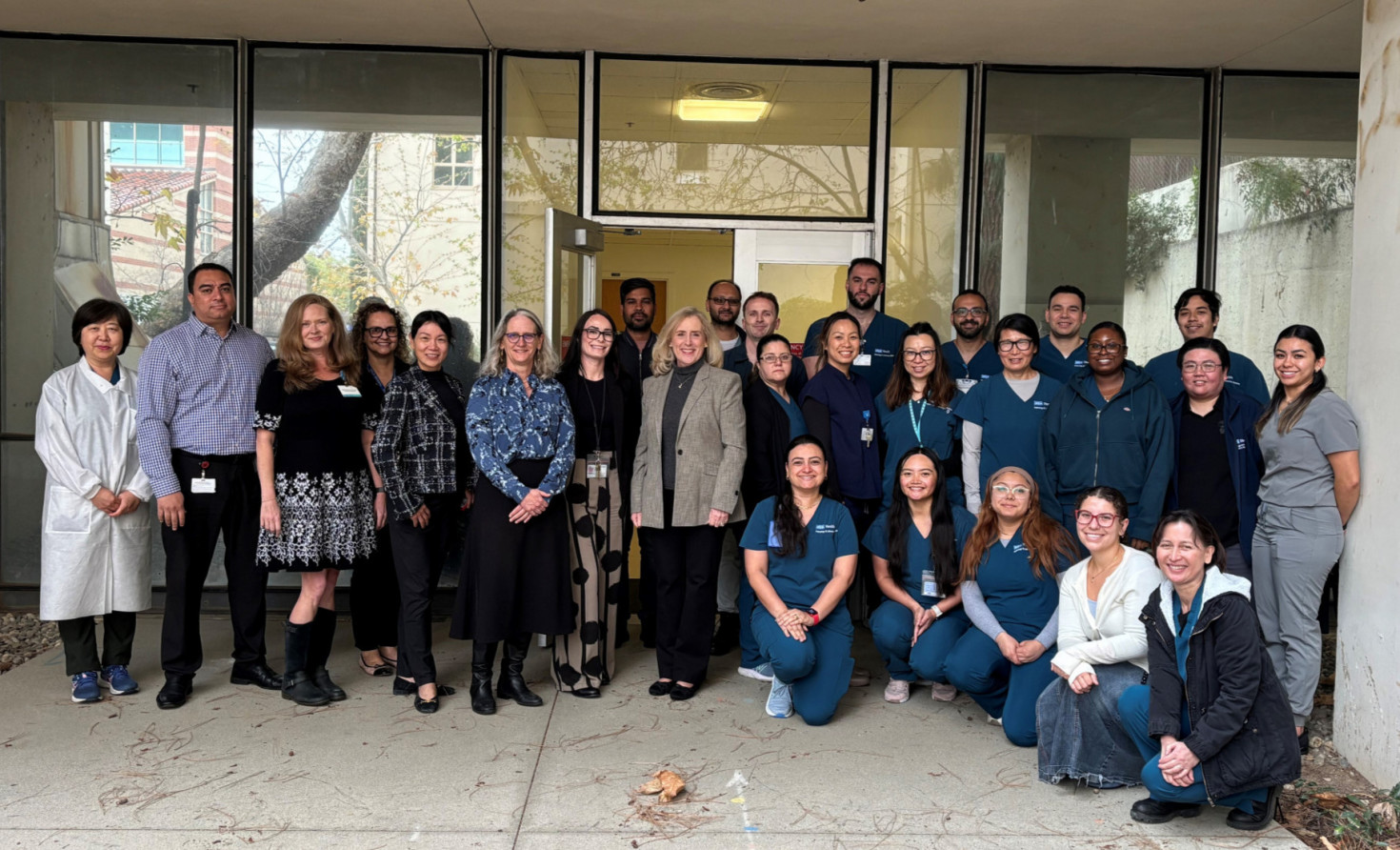
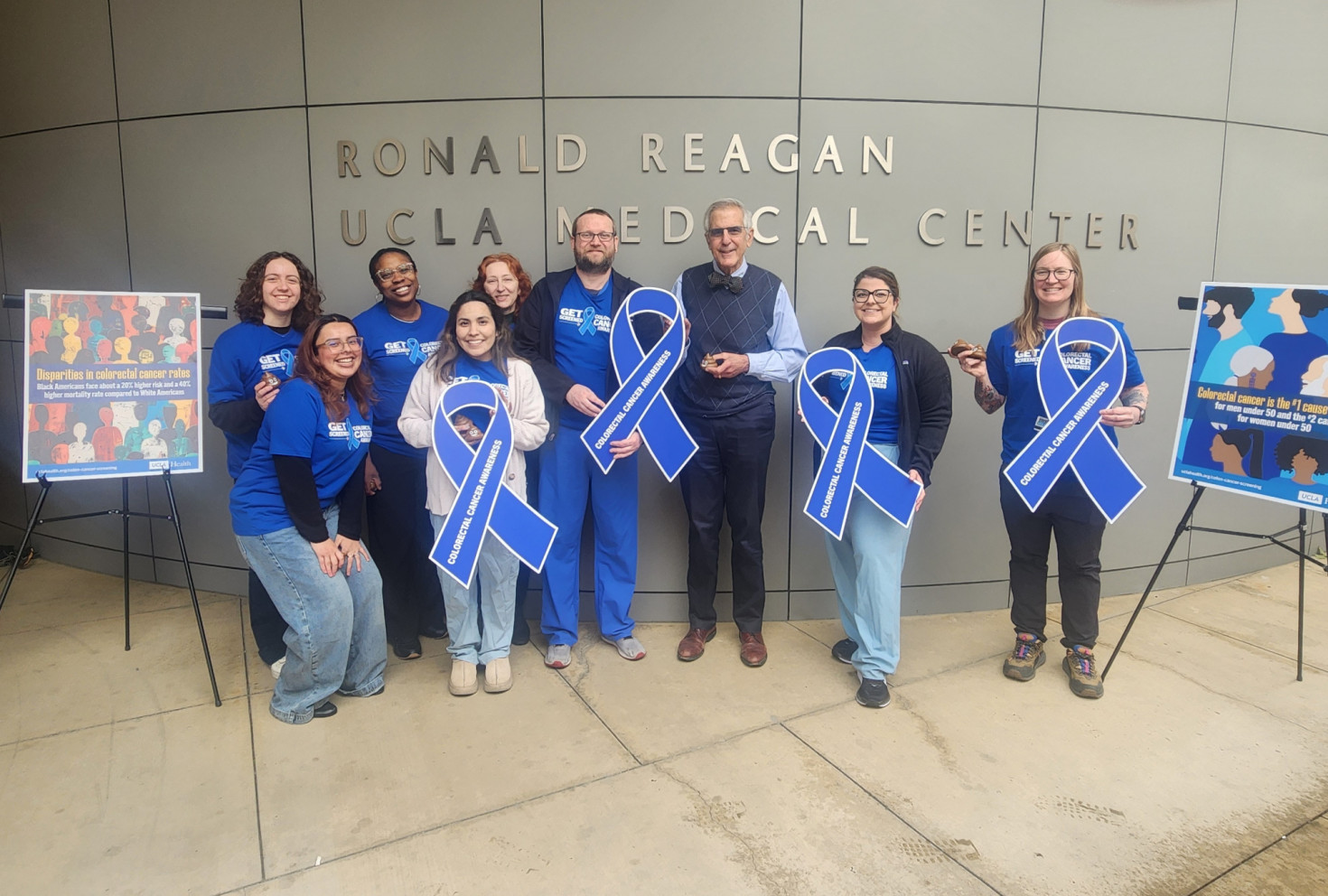
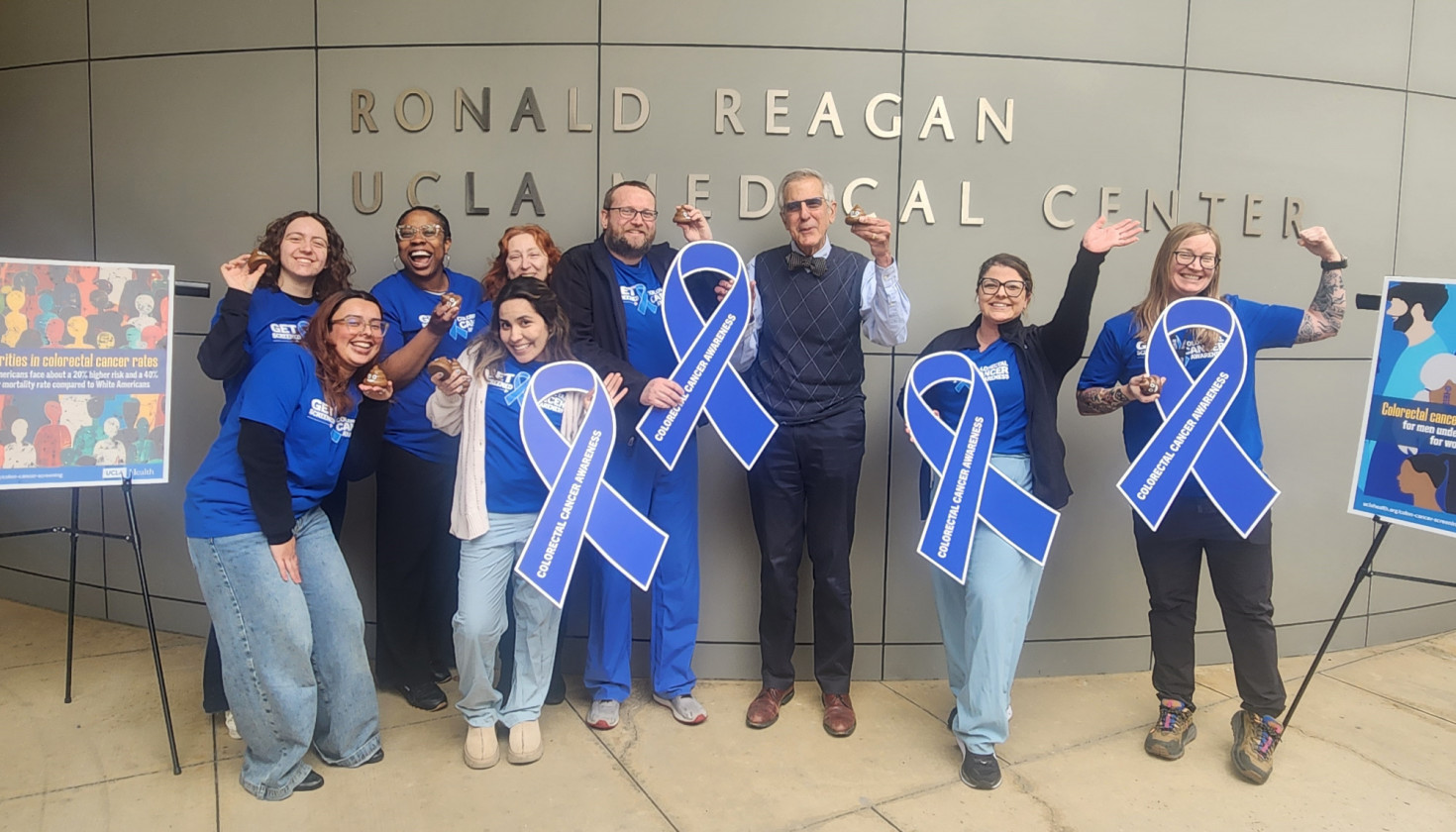
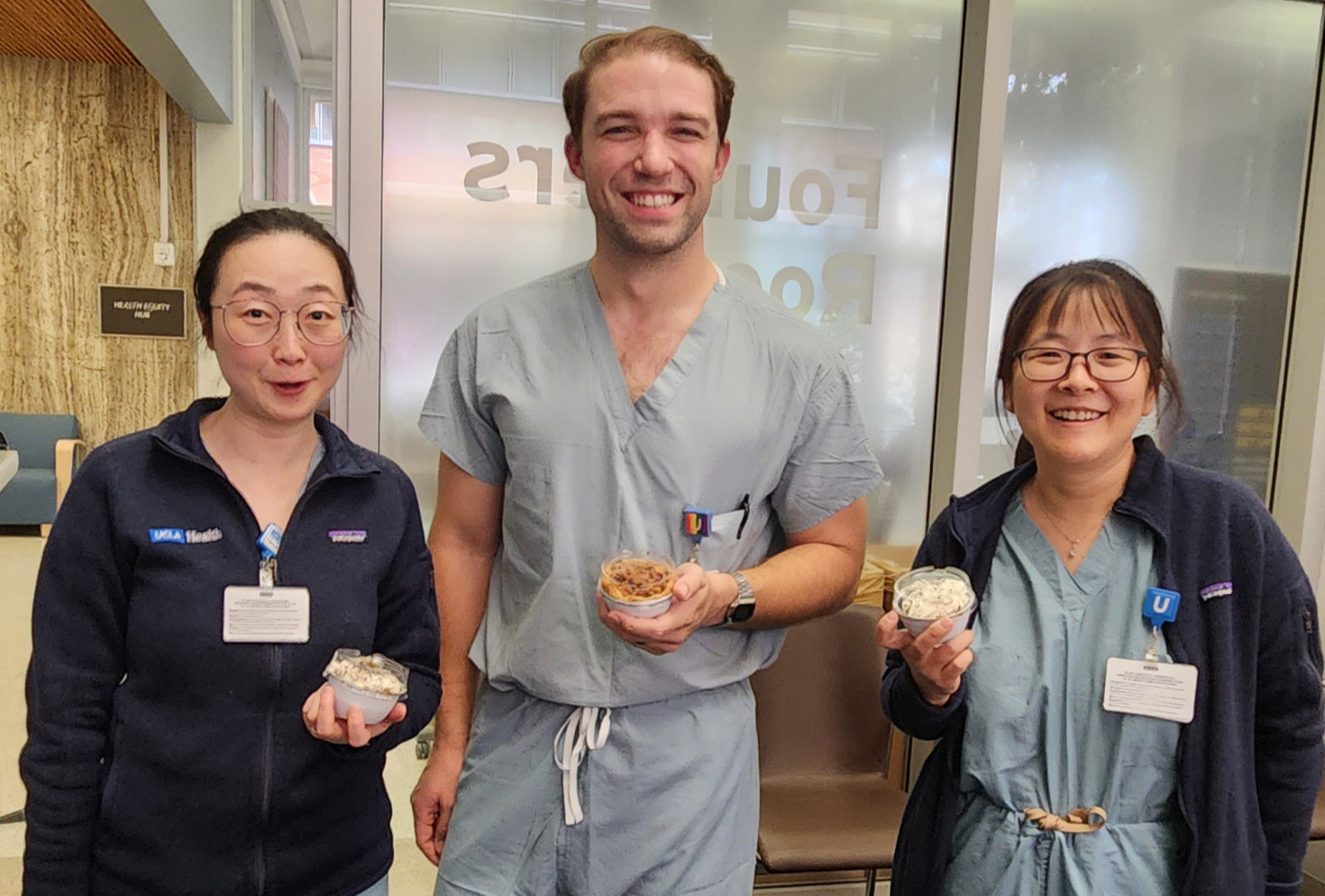
In collaboration the UCLA Vatche & Tamar Manoukian Division of Digestive Diseases, UCLA Pathology planned to participate in UCLA Health's 2025 Colorectal Cancer Awareness Month Kick-Off Event with an Interactive Pathology Station, an educational station with genetic counselors to discuss hereditary CRC, giveaways, and back by popular demand, the inflatable colon! Unfortunately, due to rain, the event was cancelled.
Despite the weather, the group was able to take some commemorative photos.
Thank you to all who helped to plan for the event:
- Trisha James– Coordinator of the colorectal cancer screening event
- Volunteer team – for volunteering their time to participate in the event and teach participants: Dr. Daniel Stefanko, Dr. Erica Fermon, Dr. Giovanni Botten, Dr. Weibo Yu, Dr. Amanda Zand, Dr. Taylor Howard, Tiffany Sanchez (Post Junior Fellow), Andreea Soricut (Research Undergrad), Cecilia Rugama (Research Associate)
- Dr. Bita Naini– for recruiting Dr. Kene Ojukwu to manage the event & fostering the collaboration with the UCLA Vatche & Tamar Manoukian Division of Digestive Diseases
- Dr. Kene Ojukwu– for bringing the Pathology Interactive Station to fruition and recruiting a teaching team to participate in the event
- Dr. Ana Munteanu – for helping coordinate the Pathology Interactive Station and adding a molecular genetics component
- Jessica Martinez and the Pathology Facilities Team– assisted with the plan for the equipment logistics/transportation for the microscopes
- Drs. Goldstein, Dr. David Dawson, and Dr. Tara Narasimhalu, and Dr. Irene Riahi– for providing case examples
- The Histology Lab & The Surgical Pathology Reporting Office – for providing/pulling slides for the demonstration
- To all our GI Faculty, Labs, and Staff for the hard work and dedication to provide exemplary patient care!

- DNA Population Screening and Inclusivity
- Niroshi Senaratne, PhD
- Identification of a Novel Homozygous TMEM53 Variant in a Patient with Extensive Homozygosity: Classification Challenges Despite Phenotypic Consistency with Craniotubular Dysplasia
- Layal Abi Farraj, MS, PhD, Clinical Genomics Scientist, Department of Pathology and Laboratory Medicine, David Geffen School of Medicine, UCLA, Los Angeles, CA., Saeideh Torabi Dalivandan, PhD, Naghmeh Dorrani, MS CGC, Deborah Krakow, MD, FACMG, Josh Deignan, PhD, FACMG
- Copy Number Gains in RBFOX1: Rare Population Variants or Incompletely Penetrant CNVs? Case Reports and Review of the Literature
- Saeideh Torabi Dalivandan, PhD, Laboratory Genetics and Genomics Fellow, Department of Pathology and Laboratory Medicine, University of California Los Angeles, Fumin Lin, PhD, P. Nagesh Rao, PhD, T. Niroshi Senaratne, PhD, FACMG
- Implementing a Prenatal-Specific Reference Markedly Improves Call Quality and Reduces Repeat Testing for Clinical CMA
- Wenjuan Zhang, PhD, LGG fellow, University of California, Los Angeles, T. Niroshi Senaratne, PhD, FACMG, Sung-hae (sue) L. Kang, PhD, FACMG, Fumin Lin, PhD, Alden Huang, PhD
Grants, Publications, & National Recognition
Congratulations to Dr. Josh Deignan on being elected to the American College of Medical Genetics and Genomics (ACMG) Board of Directors to serve as a Molecular Genetics Director! Dr. Deignan will hold the appointment for the next six years – one of only two similar positions on the Board.
ACMG is led by a team of renowned medical genetics experts who comprise the ACMG Board of Directors. Hundreds of hard-working volunteers from all aspects of the medical genetics and genomics team including genetic counselors, clinical laboratory professionals and geneticists make up their volunteer committees.
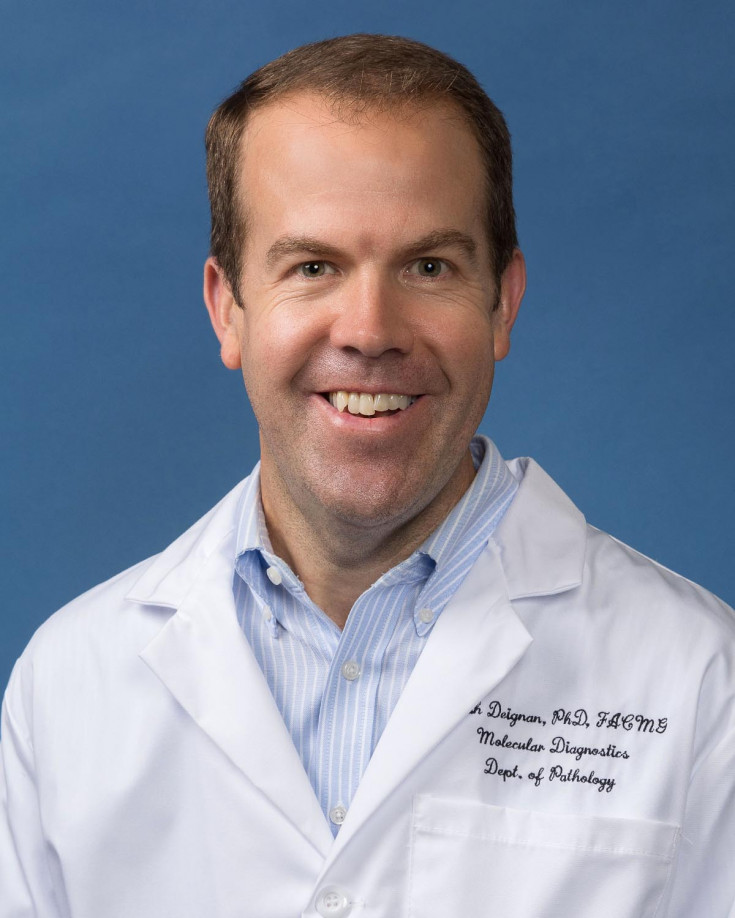
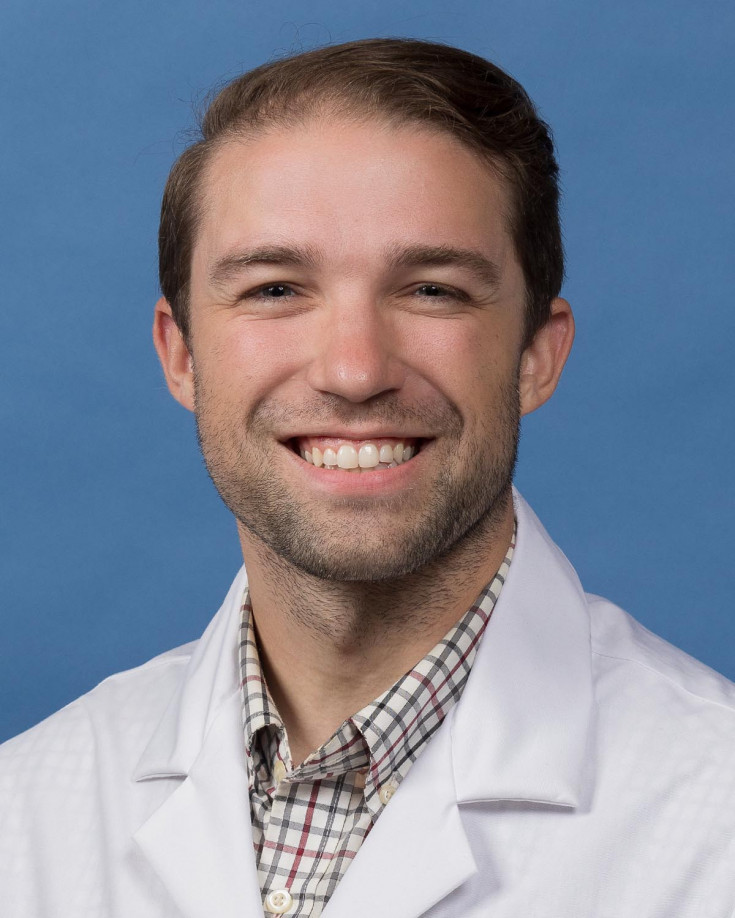
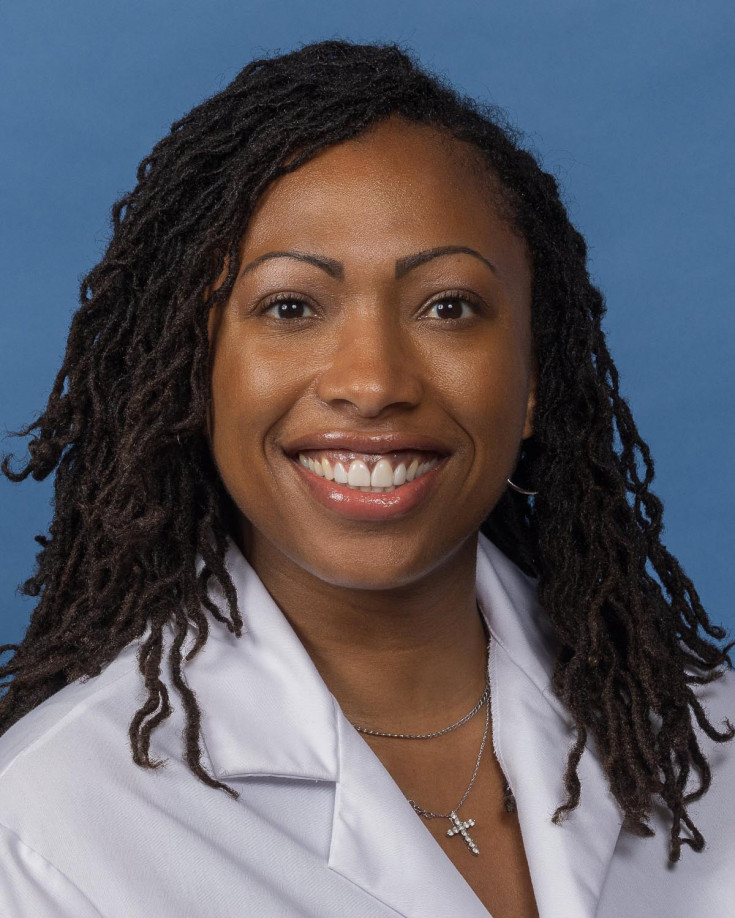
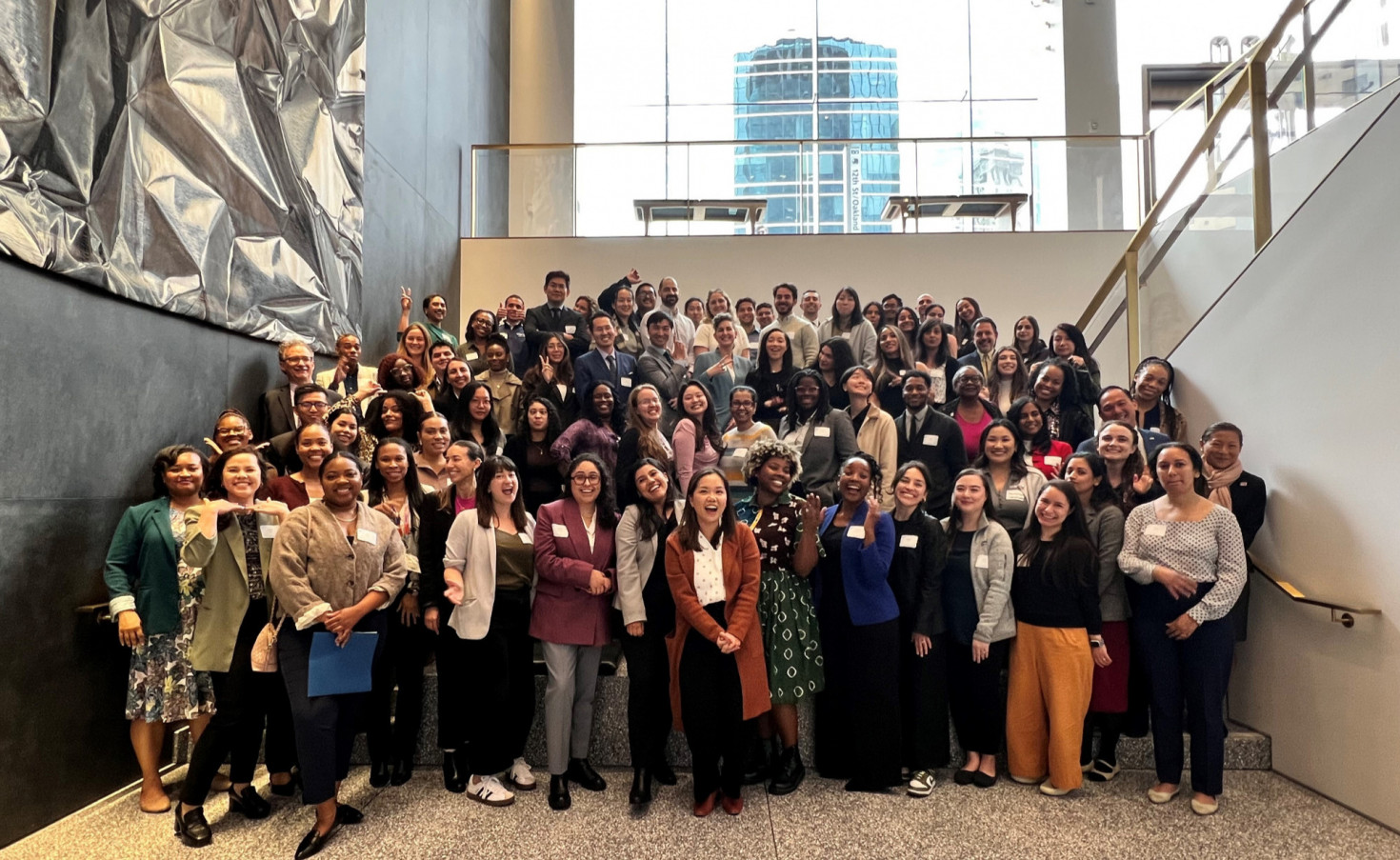
The event is designed to inspire and equip diverse residents and fellows across the health sciences to explore rewarding careers in academia. The conference was held on March 13, 2025 at the UCOP Oakland Broadway Conference Center.
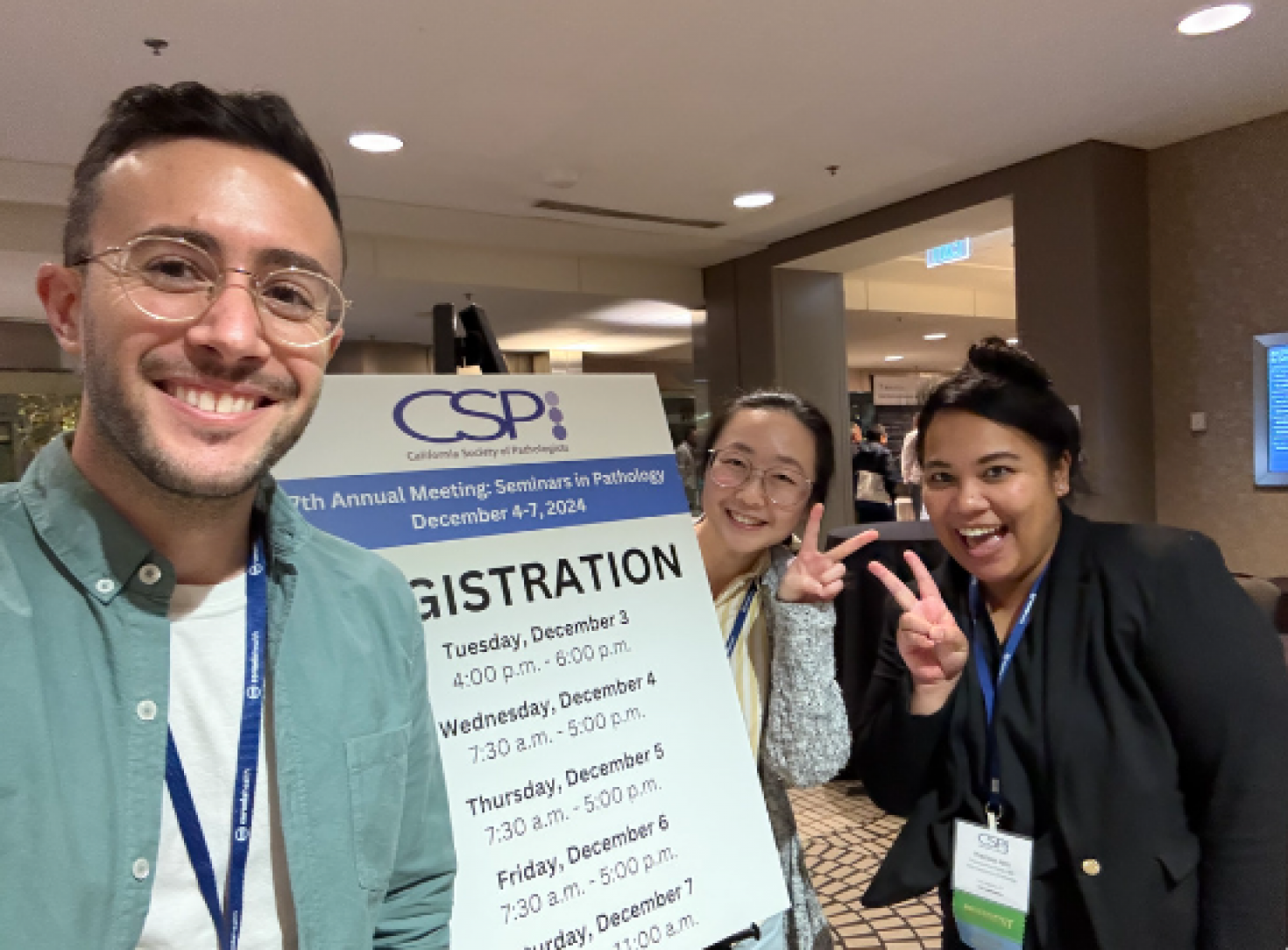
The below photo captures (left to right) Dr. Nick Stanzione (Faculty), Dr. Ruoji Zhou (PGY-2), and Dr. Precious Fortes (Cytopathology Fellow), attending the California Society of Pathologists Annual Conference in San Francisco.
The below photo captures (left to right) Fiona Lane, Dr. Rak Tyagi, and Dr. Maggie Tsang at a recent resident activity.
Please send your captions to Anastasia (agustafson@mednet.ucla.edu) by Monday, April 14, 2025 for a chance to win a prize! One entry per person.
Inclusive Excellence Series
Krystal Tsosie (Diné/Navajo Nation), PhD, MPH, MA
Assistant Professor at School of Life Sciences, Arizona State University
Affiliated Faculty at School of Human Evolution and Social Change,
School of Life Sciences Human Dimensions
"The Future of Indigenous Genomics: Ethics, Clinical Testing, and Biobanking"
Clinical Seminar Series - Topic: Transfusion Medicine
Claudia Cohn, MD, PhD
Professor of Laboratory Medicine and Pathology
Director, Blood Bank Laboratory
Associate Director, Clinical Laboratories
University of Minnesota


